Quick Facts
- 2026 Guideline Date: January 7, 2026
- HbA1c Target: ≤6.5% for most adults
- Sugar Cap: 10g added sugar per meal
- Clinical Impact: 89% lower likelihood of inadequate glycemic control with high intuitive eating scores
- Metabolic Factors: 42 non-food variables affect blood glucose
- Core Approach: Focusing on adding nutrient-dense foods rather than eliminating items
Intuitive eating diabetes management focuses on gentle nutrition rather than restriction, using interoceptive awareness to honor hunger signals while pairing carbohydrates with protein and fiber to ensure blood sugar stability without the stress of traditional dieting. This non-diet approach can improve glycemic variability and metabolic flexibility by fostering a neutral relationship with food while integrated with professional medical care.
The Anti-Diet Shift: Moving Beyond Chronic Restriction
For decades, the standard protocol for managing type 2 diabetes has been rooted in restriction. Patients are often handed a list of forbidden foods, told to lose weight at all costs, and instructed to track every gram of carbohydrate with clinical precision. However, this focus on deprivation often backfires. According to a global survey by the International Diabetes Federation, 77% of people living with diabetes have experienced mental health conditions like anxiety or depression due to the daily stress of managing their condition.
The traditional model often ignores the psychological toll of the binge-restrict cycle. When we label foods as off-limits, they become more enticing, leading to eventual overconsumption followed by intense guilt. This cycle doesn't just hurt our mental health; it causes significant swings in blood glucose levels. Transitioning from restrictive dieting to intuitive eating with diabetes offers a way out of this exhaustion. By adopting the principles of health at every size, we can shift the focus from the scale to sustainable health behaviors.
Managing blood sugar without dieting requires seeing glucose data as neutral feedback rather than a moral judgment. A high reading isn't a failure; it is simply information about how your body responded to a specific combination of food, movement, stress, or any of the other 42 factors that influence metabolism. Practicing food neutrality allows you to make adjustments without the heavy burden of shame, which is a known trigger for cortisol—a hormone that can actually raise blood sugar levels further.
The Science: Why Intuitive Eating Works for Glucose Control
It might seem counterintuitive to suggest that eating what you want could help manage a metabolic condition. However, the evidence supporting a non-diet approach is robust. A study of individuals with type 2 diabetes found that those with the highest intuitive eating scores had an 89% lower likelihood of inadequate glycemic control compared to those with lower scores, regardless of their body mass index.
The secret lies in the biological harmony created when we stop fighting our bodies. When we diet, our bodies perceive a state of famine, increasing the production of satiety hormones that signal hunger and decreasing those that signal fullness. This often leads to increased glycemic variability as the body struggles to maintain balance amidst fluctuating intake. Research indicates that educational interventions based on intuitive eating are as effective as traditional diabetes self-management education in lowering glycated hemoglobin (A1C) levels.
By reducing the stress associated with food, we improve our metabolic flexibility. This is the body's ability to switch efficiently between burning different types of fuel. When we manage blood sugar without traditional calorie counting, we are essentially training our bodies to respond more predictably to insulin. Instead of chasing a perfect number through restriction, we aim for a steady postprandial glucose response by listening to the body's internal signals.
Practical Mastery: Hunger Cues and Interoceptive Awareness
At the heart of this transition is interoceptive awareness, which is the ability to perceive physical sensations originating within the body. For someone who has spent years following external diet rules, reconnecting with these signals takes time. Identifying hunger and fullness cues with type 2 diabetes is the first step toward reclaiming autonomy over your health.
One of the most effective tools for building this awareness is the 1-10 hunger and fullness scale. This scale helps you move away from the binary of starving or stuffed, allowing you to catch hunger before it becomes urgent and stop eating when you are comfortably satisfied.
The Hunger and Fullness Scale
- Starving: Feeling weak, dizzy, or irritable; a dangerous level that leads to overeating.
- Very Hungry: Stomach is growling; you are ready to eat anything.
- Hungry: Physical signs of hunger are present; it’s a good time to start a meal.
- Slightly Hungry: You could eat, but could also wait.
- Neutral: Not hungry, not full; the body is at peace.
- Slightly Satisfied: You feel the food in your stomach, but there is room for more.
- Satisfied: Comfortably full; hunger is gone. This is the ideal stopping point.
- Full: A little over-full; perhaps you ate a few bites too many.
- Stuffed: Uncomfortably full; your stomach may feel heavy.
- Painfully Full: Feeling sick or physically hurt by the amount of food consumed.
By checking in with yourself before, during, and after meals, you can prevent the extreme glucose swings often caused by waiting too long to eat and then over-consuming carbohydrates. This practice also helps improve insulin sensitivity by providing the body with more consistent, manageable fuel loads throughout the day.
Gentle Nutrition: The 2026 Addition Strategy
The final pillar of this approach is gentle nutrition for diabetes management. Unlike traditional dieting, which is about subtraction (taking away sugar, taking away bread), gentle nutrition is about addition. It asks: What can I add to this meal to make it more nourishing and better for my blood sugar?
The current 2026 guidelines suggest focusing on protein as the metabolic anchor. When you pair carbohydrates with protein, fiber, and healthy fats, you slow down the absorption of glucose into the bloodstream. This prevents the sharp spikes that can damage blood vessels over time. For example, rather than eating a plain piece of fruit, you might add a handful of nuts or a piece of cheese. This simple act of pairing carbohydrates with protein for diabetic glucose control makes a profound difference in postprandial glucose levels.
Modern clinical recommendations have also shifted. Instead of aiming for zero sugar, the 2026 standards suggest a 10g sugar cap per meal for added sugars. This allows for flexibility and enjoyment while maintaining metabolic health.
| Feature | Old Restrictive Dieting | 2026 Gentle Nutrition Strategy |
|---|---|---|
| Primary Goal | Weight loss and calorie counting | HbA1c ≤6.5% and food neutrality |
| Food Language | Good vs. Bad foods | All foods fit with proper pairing |
| Carb Approach | Fear and avoidance | Carbohydrates as essential energy |
| Sugar Guideline | Total elimination | 10g added sugar cap per meal |
| Nutritional Focus | Subtracting and restricting | Adding protein and fiber as anchors |
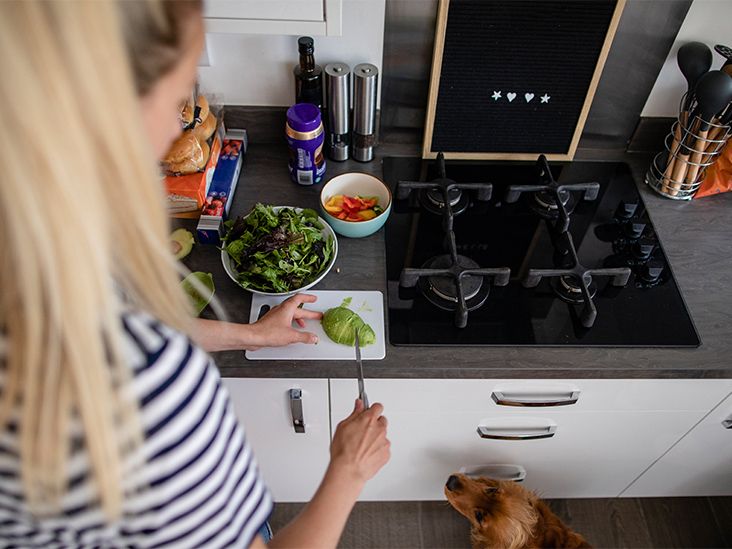
When you look at your plate, think about the balance of macronutrients. Protein stimulates glucagon, which helps stabilize insulin levels. Healthy fats provide satiety without impacting the glycemic index. By utilizing these gentle nutrition strategies for blood sugar stability, you can honor your cravings while still respecting your body's medical needs.
Strategies for Implementation
- Pair Your Carbs: Never let a carbohydrate go "naked." Always dress it with protein, fiber, or fat.
- Focus on Fiber: Aim for leafy greens, beans, or whole grains to slow digestion.
- The 10g Rule: Use the 10g added sugar cap per meal as a guideline for flexibility, not a rigid law.
- Hydrate Mindfully: Water intake significantly affects how the body processes glucose.
- Move for Joy: Find movement that feels good rather than using exercise as a punishment for what you ate.
FAQ
Can you practice intuitive eating if you have diabetes?
Yes, you can absolutely practice intuitive eating with diabetes. It requires a specialized approach known as gentle nutrition, which integrates medical needs with the core principles of listening to your body. Rather than ignoring blood sugar, you use it as a tool for interoceptive awareness, learning how different foods and activities make you feel physically and metabolically.
How does intuitive eating affect blood sugar management?
Intuitive eating often leads to better blood sugar management by reducing the stress and cortisol associated with restrictive dieting. By focusing on consistent fuel intake and pairing carbohydrates with protein and fiber, individuals typically see a reduction in glycemic variability. It encourages a more stable relationship with food, which prevents the extreme highs and lows associated with binge-restrict cycles.
Is intuitive eating safe for type 2 diabetes?
It is safe and often highly recommended when coordinated with a healthcare team. Because it focuses on long-term behavior change and psychological well-being rather than short-term weight loss, it can lead to more sustainable metabolic health. It is particularly beneficial for those who have a history of disordered eating or chronic dieting.
Can intuitive eating help lower A1c levels?
Research indicates that non-diet approaches are as effective as traditional carbohydrate counting in lowering A1c levels. By improving the relationship with food and reducing the systemic inflammation caused by chronic dieting stress, many people find their A1c levels stabilize within the target range of ≤6.5% as outlined in 2026 clinical guidelines.
How do you manage cravings while eating intuitively with diabetes?
In an intuitive eating framework, cravings are addressed with curiosity rather than suppression. Often, a craving is a sign that the body needs more energy or a specific nutrient. By practicing food neutrality and allowing yourself to eat the craved food in a balanced way—such as adding a protein source to a sweet treat—you can satisfy the craving without causing a massive blood sugar spike.
How do you balance intuitive eating with carb counting?
Balancing the two involves moving away from "counting" as a restrictive tool and using it as a "check-in" tool. Instead of hitting a strict limit, you use your knowledge of carbohydrates to ensure you are adding enough protein and fiber to maintain stability. This allows you to follow a how to practice intuitive eating with diabetes guide that prioritizes your body's signals over a rigid mathematical formula.