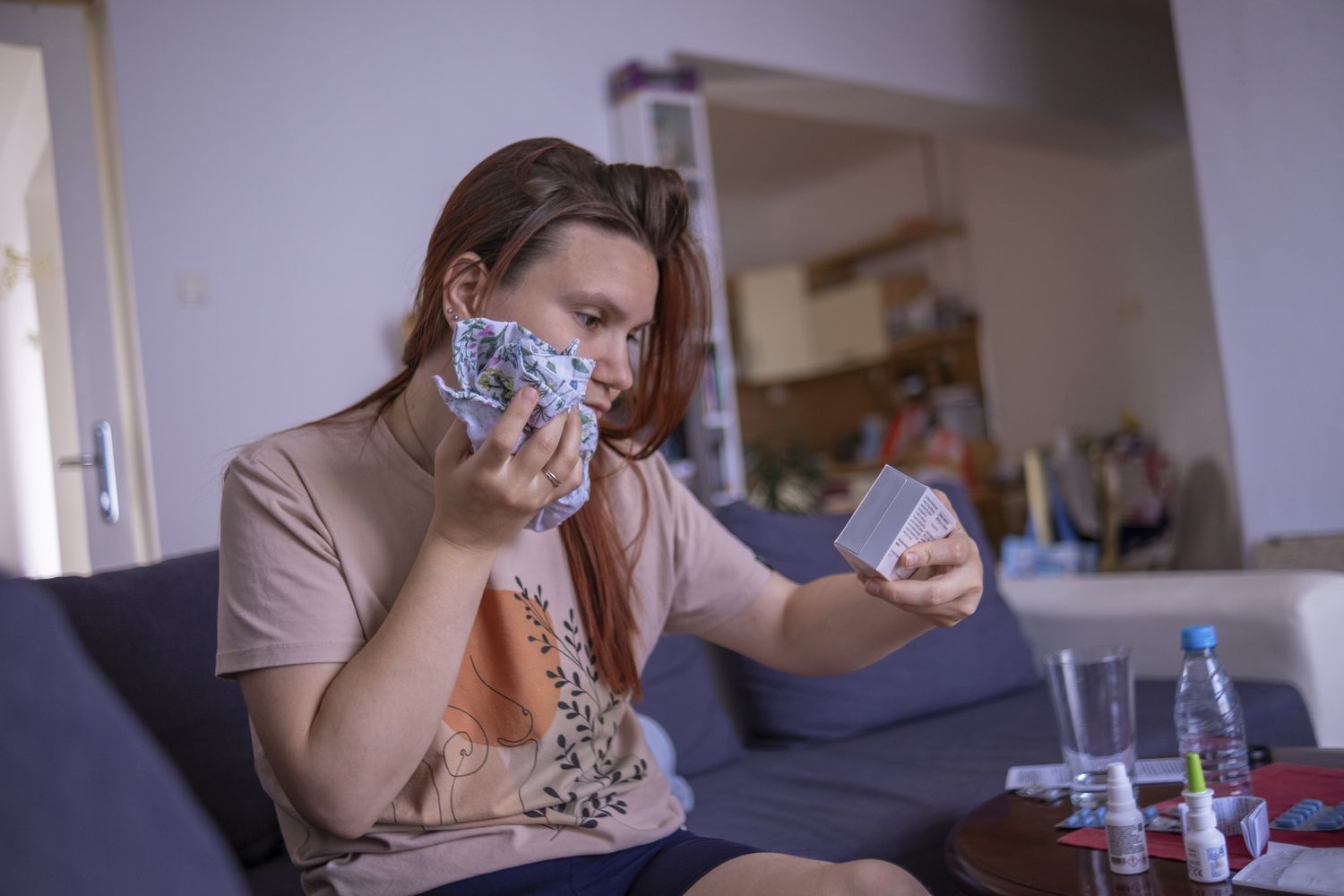
Managing GLP-1 Side Effects: Diet & Digestion Tips
Quick Facts
- Prevalence: Between 50% to 60% of patients experience gastrointestinal disturbances such as nausea, vomiting, or diarrhea during the initial phase of treatment.
- Peak Nausea Window: Symptoms often peak within 24-72 hours post-injection as the medication reaches maximum concentration in the bloodstream.
- Recovery Timeline: Nausea typically resolves or significantly improves within 8 days; however, constipation can persist for an average of 47 days if not managed.
- Protein Target: Consuming 80-100g of protein daily is essential to preserve lean muscle mass during rapid weight loss.
- Fiber Goal: Aim for 21-38g of fiber daily to maintain gastrointestinal motility and prevent chronic constipation.
- Hydration: Drink at least 64 oz of non-caffeinated fluids per day to support kidney function and digestion.
To manage GLP-1 side effects effectively, prioritize small, frequent meals and stop eating at the first sign of satiety to accommodate delayed gastric emptying. Focus on a bland diet, stay hydrated between meals, and use ginger tea or peppermint to alleviate acute nausea.
Understanding the Titration Timeline
When you begin a journey with medications like Semaglutide or Tirzepatide, you are essentially retraining your digestive system. These drugs belong to a class known as incretin mimetics, which mimic hormones that regulate appetite and insulin. The most significant challenge for many is the titration phase—the 16-20 week period where your healthcare provider gradually increases your dose. This escalation is designed to minimize discomfort, yet it is also when side effects are most prevalent.
Recent clinical data shows that a meta-analysis of 48 randomized controlled trials found the overall incidence of gastrointestinal adverse events for GLP-1 receptor agonists was 11.66%, with nausea being the most frequent symptom reported by 21.49% of participants. For many patients, the physical sensation of slowed digestion is entirely new. Because the medication slows down the speed at which food leaves the stomach—a process called delayed gastric emptying—the old habits of eating a large dinner can lead to intense pressure and discomfort.
As we look toward the future of metabolic health, the landscape is shifting. In 2026, we are seeing a move toward oral options like Foundayo for individuals who struggle with the "peak and valley" effect of weekly injections. Whether you are using an injectable or an oral tablet, understanding that your body needs time to adapt to these hormonal changes is the first step in improving GLP-1 tolerance.
Managing GLP-1 Nausea: The Behavioral Shift
Nausea is the most common hurdle, often leading to a loss of interest in food that can border on aversion. However, managing GLP-1 nausea is often more about how you eat rather than just what you eat. The biological mechanism at play involves the brain's satiety signals being amplified while the stomach's physical capacity is temporarily reduced.
One of the most effective strategies is the "stop before full" rule. Because of delayed gastric emptying, there is a significant lag between when your stomach is full and when your brain receives the message. If you eat until you feel traditionally full, you have likely already overeaten for your current digestive capacity. This leads to the common complaint of GLP-1 bloating, where gas and undigested food linger in the upper GI tract.
To combat this, try eating slowly to reduce GLP-1 bloating by putting your fork down between every bite. This allows you to listen to those subtle satiety signals. It is also helpful to separate your liquid intake from your solid food. Drinking a large glass of water during a meal can take up precious "real estate" in the stomach, leading to premature fullness and subsequent nausea. Instead, sip water or ginger tea slowly throughout the day, focusing on the windows between your small, frequent meals.
The GLP-1 Diet: What to Eat and What to Avoid
When your digestion is sensitive, your kitchen becomes your first line of defense. The goal of a proper GLP-1 diet tips strategy is to provide high-density nutrition with low digestive tax. During the first few days after an injection, a bland diet is often necessary. This means relying on foods that are mechanically easy for the stomach to break down.
| Food Category | Best Foods for GLP-1 Nausea Relief | Foods to Avoid (Trigger Foods) |
|---|---|---|
| Proteins | Lean protein (steamed chicken, white fish, tofu) | Greasy burgers, fried chicken, fatty cuts of steak |
| Carbohydrates | Crackers, white rice, applesauce, bananas | Heavy pasta dishes, sugary pastries, spicy chips |
| Vegetables | Cooked carrots, peeled zucchini, steamed spinach | Raw cruciferous veggies (broccoli, cauliflower), onions |
| Liquids | Ginger tea, bone broth, electrolyte water | Carbonated sodas, heavy creamers, alcohol |
The best cooking methods for GLP-1 digestive sensitivity involve moisture and simplicity. Steaming, boiling, and poaching keep proteins tender and easier to digest than the "crust" created by frying or heavy roasting. Avoid heavy spices and strong scents if you are feeling queasy; cold or room-temperature foods often have less aroma and are better tolerated than steaming hot meals.
Acid reflux is another common byproduct of slowed digestion. To prevent the "sulfur burps" often associated with these medications, avoid lying down for at least two to three hours after eating. This gives gravity a chance to help your stomach move its contents along.
Solving Motility Issues: Diarrhea and Constipation
The impact of GLP-1 medications on gastrointestinal motility can swing the pendulum in two directions: everything slows down too much (constipation) or the body reacts to certain triggers by flushing them out (diarrhea).
For managing GLP-1 diarrhea through diet changes, the primary focus is on rehydration and identifying hidden irritants. Many "sugar-free" products marketed to people with diabetes contain sugar alcohols like sorbitol or xylitol. These can have a powerful laxative effect, which is magnified when your gut is already sensitive. If diarrhea occurs, temporarily pivot to the BRAT diet (bananas, rice, applesauce, toast) and ensure you are replacing lost electrolytes.
On the other side of the spectrum, relieving GLP-1 constipation naturally is a more common long-term challenge. Because the medication slows the colon's movement, waste sits longer, and more water is reabsorbed, leading to hard stools. Increasing soluble fiber is key here. Soluble fiber, found in oats and psyllium husk, draws water into the stool, making it easier to pass. However, you must increase your water intake simultaneously with your fiber intake; otherwise, the fiber can actually worsen the blockage.
Daily physical activity, even a 15-minute walk after meals, can mechanically stimulate the gut and help with portion management and motility. If dietary changes aren't enough, many clinicians recommend a gentle magnesium supplement to help draw water into the bowels.
When to Contact Your Provider: The Red Flag Checklist
While most GLP-1 side effects are manageable with lifestyle adjustments, a small percentage of users experience more serious complications. It is reported that 5% and 10% of individuals using GLP-1 receptor agonists for type 2 diabetes management discontinue treatment due to the severity of these issues.
The Red Flag Checklist
Seek medical attention if you experience any of the following:
- Severe, Persistent Abdominal Pain: Especially if it radiates to your back, as this could indicate pancreatitis.
- Intractable Vomiting: If you cannot keep any liquids down for more than 12 hours, you are at high risk for dehydration.
- Rapid Heart Rate: A consistent fluttering or racing heart while at rest.
- Severe Gallbladder Pain: Sharp pain in the upper right abdomen, often occurring after a meal.
- Significant Mood Changes: Sudden onset of depression or suicidal thoughts.
If you find that your quality of life is severely impacted, speak to your doctor about dose-reversion. Sometimes staying at a lower dose for a few extra weeks gives the microbiome and nervous system the time they need to adapt before trying to increase the dose again.
FAQ
How do you manage nausea while taking a GLP-1?
Managing nausea involves a combination of behavioral changes and dietary choices. Prioritize eating small, frequent meals rather than three large ones, and stop eating as soon as you feel a hint of fullness. Lean on bland foods like crackers and ginger-based drinks, and avoid high-fat or spicy foods that can linger in the stomach. Many patients find that sipping cold ginger tea or using peppermint oil can provide acute relief during the peak 24-72 hour window after an injection.
Do GLP-1 side effects improve over time?
Yes, for the majority of patients, gastrointestinal side effects are most intense during the titration phase and tend to subside as the body becomes accustomed to the medication. Nausea typically improves within the first few weeks of a consistent dose. However, some symptoms like constipation may require ongoing management through high fiber intake and consistent hydration throughout the duration of the treatment.
Can GLP-1 medications cause digestive issues?
GLP-1 medications work by mimicking natural hormones that slow down gastric emptying and signal the brain to feel full. While these mechanisms are effective for weight loss and blood sugar control, they can cause digestive issues like nausea, bloating, acid reflux, constipation, and diarrhea. These symptoms are a direct result of the medication’s influence on gastrointestinal motility and the rate at which food moves through the digestive tract.
What are the most common side effects of GLP-1 medications?
The most common side effects are gastrointestinal in nature. Nausea is the most frequent, affecting over 20% of users in clinical trials. Other common issues include vomiting, diarrhea, constipation, and abdominal pain. Most of these symptoms are mild to moderate and occur primarily when the dose is being increased.
Conclusion
Navigating the world of GLP-1 medications requires a proactive approach to gut health. By shifting your perspective from "eating for hunger" to "eating for digestion," you can significantly reduce the impact of GLP-1 side effects. Remember that your digestive system is undergoing a major physiological shift; be patient with yourself during the titration process. Focus on hydration, lean proteins, and listening to your body's new satiety signals. With the right diet and digestion tips, you can manage the initial discomfort and focus on the long-term benefits of improved metabolic health.