Quick Facts
- Risk Reduction: High adherence to the Mediterranean diet correlates with a 40% lower risk of Alzheimer's diagnosis.
- Key Mechanisms: The diet works by lowering neuroinflammation, clearing amyloid plaques, and improving insulin sensitivity.
- Expert Protocol: Dr. Dale Bredesen recommends SMASH fish and cruciferous vegetables to maintain synaptic plasticity.
- Genetic Advantage: High-fiber and low-glycemic choices help mitigate the cognitive risks associated with the APOE4 gene.
- Structural Health: Adherents show greater hippocampal volume and better integrity of the blood-brain barrier.
- Optimal Timing: Intervening during middle age provides the most significant window of opportunity for brain preservation.
Research indicates that following a Mediterranean diet can significantly lower the risk of Alzheimer's disease, with studies showing up to 40% lower odds of diagnosis. This dietary pattern is associated with reduced amyloid pathology in the brain, particularly when emphasizing green leafy vegetables. It supports cognitive health by addressing inflammation, improving blood flow, and providing neuroprotective nutrients that maintain synaptic plasticity.
The 40% Breakthrough: Comparing Mediterranean and MIND Diets for Alzheimer's Risk
As an editor focused on longevity, I am constantly scanning clinical trials for interventions that actually move the needle on neurodegeneration. In recent years, few protocols have shown as much promise as the intersection of nutrition and neurology. A landmark study published in the Journal of the American Medical Association (JAMA) found that individuals who adhered most strongly to a Mediterranean-style diet experienced a 40 percent reduction in the risk of developing Alzheimer's disease. This isn't just a statistical anomaly; it represents a fundamental shift in how we view brain aging.
Research published in the journal Neurology in 2023 further validates this, indicating that individuals who closely followed the Mediterranean or MIND diets had nearly 40 percent lower odds of developing the brain pathology associated with Alzheimer's disease. While both diets share a common foundation, it is important to understand the nuance when comparing Mediterranean and MIND diets for Alzheimer's risk. The Mediterranean diet is a broad cultural pattern that emphasizes healthy fats and cardiovascular health, providing what I call structural protection. The MIND diet—a hybrid of the Mediterranean and DASH patterns—is more targeted toward cognitive protection, specifically highlighting berries and leafy greens.
When we look at Mediterranean diet for cognitive longevity, the data suggests there is a critical window of opportunity. Middle age appears to be the most vital time for dietary intervention. By adopting these habits in your 40s and 50s, you are essentially building cognitive resilience that can withstand the biological stresses of later life. A comprehensive meta-analysis of longitudinal studies concludes that high adherence to the Mediterranean diet is associated with an approximately 30 percent reduction in the likelihood of developing Alzheimer's disease.
| Feature | Mediterranean Diet | MIND Diet |
|---|---|---|
| Primary Fat Source | Extra Virgin Olive Oil | Extra Virgin Olive Oil |
| Fruit Focus | All seasonal fruits | Berries (Blueberries/Strawberries) |
| Protein Focus | Fish and Poultry | Poultry and Beans |
| Vegetable Requirement | High variety daily | Specific focus on Leafy Greens |
| Red Meat/Butter | Minimal use | Strictly limited |
| Key Benefit | Heart health & Longevity | Targeted Neuroprotection |
Expert Protocol: Dr. Bredesen Alzheimer's Diet Recommendations and SMASH Fish
Dr. Dale Bredesen, a pioneer in reversing cognitive decline through his ReCODE Protocol, has redefined our approach to brain health. He emphasizes that the brain requires metabolic flexibility—the ability to switch between burning glucose and ketones. His version of the Mediterranean diet focuses on low-glycemic, anti-inflammatory foods for brain health that support mitochondrial function.
Central to the Dr. Bredesen Alzheimer's diet recommendations is the focus on specific fats. He advocates for the consumption of SMASH fish, which is an acronym for the following species:
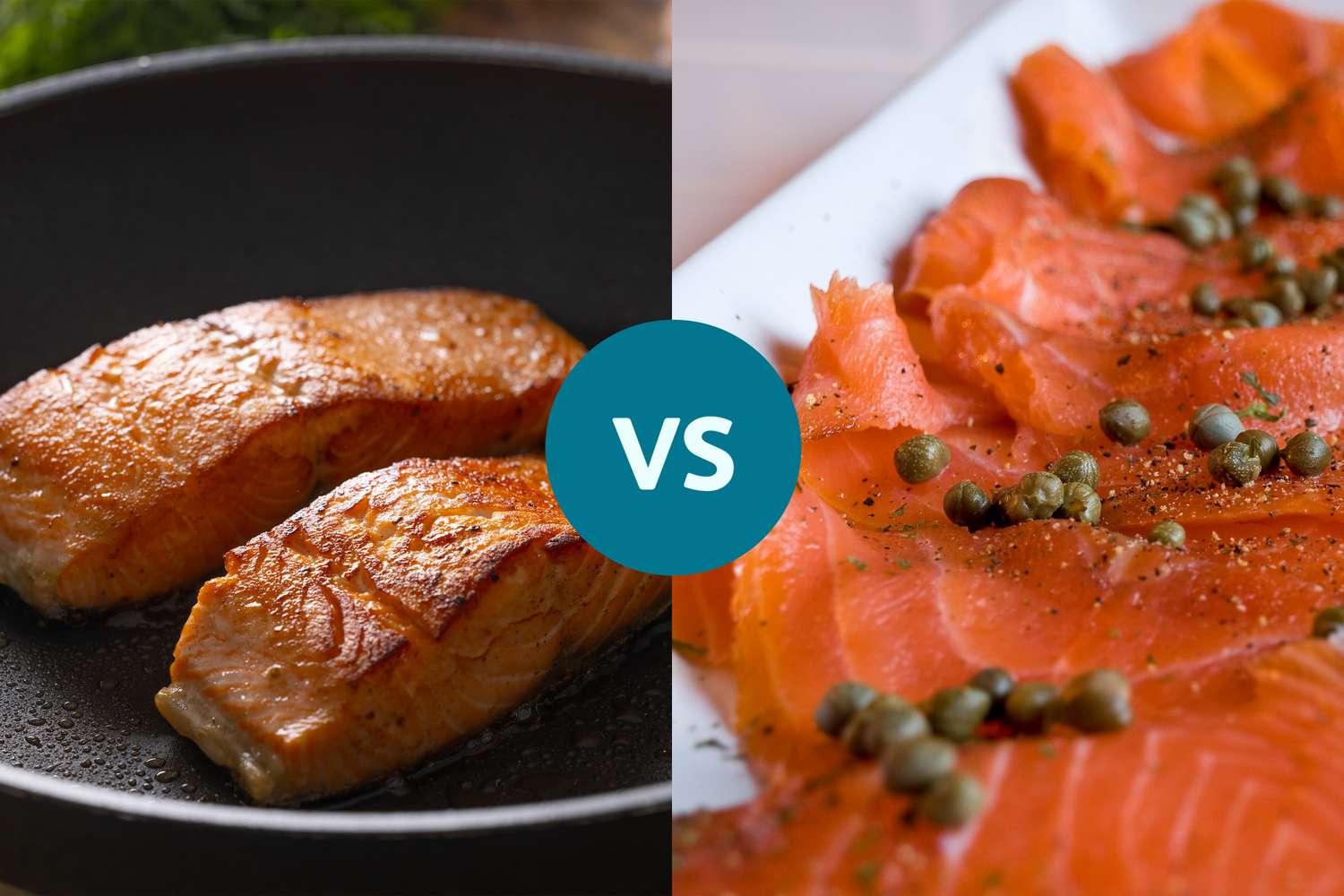
- Salmon (Wild-caught)
- Mackerel
- Anchovies
- Sardines
- Herring
These specific types provide the best fish for Mediterranean diet brain health SMASH because they are high in DHA and EPA while remaining low in heavy metals like mercury. These omega-3 fatty acids are critical for maintaining the fluidity of cell membranes in the brain, which allows for better communication between neurons.
Beyond fish, the protocol emphasizes cruciferous vegetables like broccoli and cauliflower for their role in detoxification. Leafy greens provide folate, which is essential for synapse support, while avocados offer monounsaturated fats that stabilize blood sugar. To implement this at home, consider this Mediterranean diet shopping list for brain health:
- Proteins: Wild salmon, sardines, pasture-raised eggs, lentils.
- Vegetables: Spinach, kale, arugula, broccoli, Brussels sprouts.
- Fats: Extra virgin olive oil (high polyphenol), avocados, walnuts, chia seeds.
- Fruits: Blueberries, blackberries, lemons, limes.
- Fermented Foods: Kimchi, sauerkraut, or kefir to support the gut-brain axis.
Genetic Shielding: Mediterranean Diet Benefits for APOE4 Gene Carriers
One of the most frequent questions I receive involves the APOE4 gene variant, often called the Alzheimer's gene. Carrying one or two copies of this gene significantly increases the risk of developing late-onset Alzheimer's. However, genetic destiny is not absolute. Recent research, including a 2025 study in Nature Medicine, highlights how Mediterranean diet benefits for APOE4 gene carriers can be life-changing.
For those with the APOE4 variant, the brain often struggles with metabolic dysfunction and increased neuroinflammation. The Mediterranean diet helps mitigate this by prioritizing low-glycemic, high-fiber foods. Fiber slows the absorption of sugar, preventing the insulin spikes that can lead to insulin resistance in the brain—sometimes referred to as Type 3 Diabetes.
Furthermore, the high concentration of polyphenols in extra virgin olive oil helps protect the blood-brain barrier. In APOE4 carriers, this barrier is often more permeable, allowing toxins to enter the brain more easily. By consuming anti-inflammatory foods for brain health, carriers can reduce the accumulation of tau protein tangles and maintain synaptic plasticity, effectively counteracting their genetic predisposition.
Mechanism of Action: Amyloid Plaques and the Gut-Brain Connection
To truly understand how Mediterranean diet reduces amyloid plaque in brain tissue, we have to look at the cellular level. Amyloid-beta is a protein that can aggregate into plaques, disrupting cell-to-cell signaling. Nutrients found in the Mediterranean diet—such as oleocanthal from olive oil and anthocyanins from berries—act as natural cleaners. They promote the clearance of these proteins before they can form permanent blockages.
The gut microbiome and Mediterranean diet Alzheimer's prevention are also inextricably linked. The high fiber content from legumes and vegetables feeds beneficial bacteria in the gut. These bacteria produce short-chain fatty acids (SCFAs), such as butyrate. Butyrate is a powerful anti-inflammatory molecule that can cross into the brain, reducing oxidative stress and protecting the delicate lining of the blood-brain barrier.
When your gut is healthy, your brain is less likely to be under constant "fire" from systemic inflammation. This reduction in neuroinflammation is perhaps the most significant way the diet preserves memory and cognitive function over decades.
FAQ
How does the Mediterranean diet help prevent Alzheimer's?
The diet works through a multi-pronged approach that reduces systemic inflammation and oxidative stress. By providing high levels of antioxidants and healthy fats, it helps the brain clear out toxic proteins like amyloid-beta and tau. Additionally, it improves vascular health, ensuring that the brain receives a steady supply of oxygen and nutrients needed for cellular repair.
What are the best foods for brain health in the Mediterranean diet?
The most potent foods include leafy green vegetables like spinach and kale, which are rich in lutein and folate. Fatty fish like salmon and sardines provide essential omega-3s. Extra virgin olive oil is a cornerstone for its polyphenol content, while walnuts and berries provide neuroprotective compounds that support memory and learning.
Does the Mediterranean diet reduce the risk of dementia?
Yes, extensive research shows that the Mediterranean diet is effective at reducing the risk of various forms of cognitive decline, including vascular dementia and Alzheimer's disease. By maintaining blood vessel health and reducing the risk of stroke, the diet preserves the overall structural integrity of the brain as we age.
What is the difference between the MIND diet and the Mediterranean diet for Alzheimer's?
The Mediterranean diet is a traditional dietary pattern emphasizing whole grains, healthy fats, and fish. The MIND diet is a more specific version designed by researchers at Rush University that combines Mediterranean and DASH elements. The MIND diet places a much higher emphasis on green leafy vegetables and berries, and strictly limits the intake of cheese, butter, and fried foods.
Is olive oil effective in protecting the brain from Alzheimer's?
Extra virgin olive oil is arguably the most important component of the diet for neuroprotection. It contains oleocanthal, a phenolic compound that has been shown to enhance the clearance of amyloid-beta from the brain. It also possesses strong anti-inflammatory properties that mimic the action of ibuprofen, but in a natural, food-based form.
Can the Mediterranean diet help people who already have Alzheimer's?
While the diet is most effective as a preventative measure, research suggests it can still provide benefits to those already experiencing symptoms. It may help slow the rate of cognitive decline and improve the quality of life by reducing neuroinflammation and supporting metabolic health. When combined with other lifestyle factors like exercise and cognitive training, the impact can be even more significant.