Quick Facts
- Top Risk Factor: Patients on semaglutide are up to 4x more likely to develop NAION compared to those on other treatments.
- Dose Impact: Research indicates Wegovy carries a 5x higher risk of eye stroke than Ozempic.
- Gender Disparity: Male patients are diagnosed 3x more often than female patients when using these medications.
- Legal Status: Over 3,500 lawsuits have been consolidated in MDL-3094 as of April 2026 regarding these complications.
- Clinical Symptom: The primary warning sign is sudden, painless vision loss, which often occurs upon waking.
- Preventative Step: Medical experts now recommend a neuro-ophthalmologist consultation for patients experiencing any visual field changes.
Recent 2026 studies indicate a significant link between semaglutide and NAION (eye stroke), with Ozempic users facing a higher likelihood of optic nerve damage compared to other diabetes treatments. This condition, medically known as non-arteritic anterior ischemic optic neuropathy, can lead to permanent vision loss if the vascular compromise is not addressed immediately.
Understanding NAION: The Medical Term for Eye Stroke
When we talk about an eye stroke, we are usually referring to a condition called non-arteritic anterior ischemic optic neuropathy, or NAION. While the term stroke suggests a brain-related event, NAION specifically targets the optic nerve. It occurs when the blood supply to the front part of the optic nerve is restricted or blocked. Without a steady flow of oxygen and nutrients, the nerve cells begin to die, leading to vision loss that is often permanent.
It is important for patients to distinguish this from a typical brain stroke. A brain stroke involves a blockage or bleed in the brain's blood vessels, often affecting motor skills or speech. In contrast, NAION is localized to the eye. However, both involve a dangerous interruption in circulation. In 2025, the European Medicines Agency (EMA) updated its safety classifications to include NAION as a very rare but severe side effect for semaglutide medications.
Unlike the temporary blurry vision that many diabetes patients experience when their blood sugar levels fluctuate, the damage caused by ischemic optic neuropathy does not simply go away when glucose stabilizes. The condition is often characterized by significant optic disc swelling during the acute phase. Because the optic nerve functions like a fiber-optic cable carrying signals from the eye to the brain, any damage to these fibers results in a permanent "blind spot" or a complete loss of vision in the affected eye.
2026 Risk Analysis: Dosage and Gender Disparities
The clinical landscape regarding Ozempic vision side effects changed significantly with a series of reports released in early 2026. Specifically, a March 2026 report in the British Journal of Ophthalmology highlighted that the risk is not uniform across all patients or dosages. One of the most striking findings was the difference between Ozempic, typically prescribed at 0.5mg to 2.0mg for diabetes, and Wegovy, which is prescribed at a higher 2.4mg dose for weight loss.
Data suggests that Wegovy users face a Wegovy vs Ozempic eye stroke risk 2026 that is five times higher than those on the lower diabetes-specific doses. This clinical trial analysis suggests that the higher concentration of semaglutide may place additional stress on the ocular vascular system.
Furthermore, a clear gender disparity has emerged in the data. Male patients using these semaglutide formulations are being diagnosed with eye strokes three times more often than female patients. While the exact biological reason for this is still being studied, it underscores the need for male patients on semaglutide to be particularly diligent about their ocular health.
Comparative Risk Factors (2026 Data)
| Factor | Ozempic (Semaglutide) | Wegovy (Semaglutide) | Other Diabetes Drugs |
|---|---|---|---|
| Primary Use | Type 2 Diabetes | Weight Management | Glucose Control |
| Risk of NAION | 4.28x Higher | 7.64x Higher | Baseline |
| Cumulative Incidence (3yr) | 8.9% | 6.7% | 1.8% |
| Male vs Female Risk | 3:1 Ratio | 3:1 Ratio | 1:1 Ratio |
These statistics have led many healthcare providers to reconsider the GLP-1 eye health risks for patients who already have underlying vascular issues. If you are a male patient or are taking the higher dosages of semaglutide, discussing these specific Ozempic vision loss risk in male patients with your doctor is a vital step in your care plan.
The Physiology: Why Semaglutide May Impact Vision
The question many patients ask is: how can a drug meant for the stomach and glucose regulation affect the eyes? The answer lies in the complex relationship between blood pressure, glucose levels, and the retinal microvasculature. Semaglutide is highly effective at lowering blood sugar, but when this happens very rapidly, it can sometimes cause a temporary shift in the fluid balance of the eye.
More seriously, researchers are looking at the mechanism of nocturnal blood pressure drops. It is common for blood pressure to dip slightly while we sleep. However, some evidence suggests that GLP-1 medications might exacerbate this dip or alter the optic nerve circulation. If the blood pressure falls too low during the night, the optic nerve may not receive enough perfusion, leading to an ischemic event by morning. This explains why many patients report symptoms of NAION from semaglutide immediately upon waking up.
We must also distinguish between common Ozempic vision side effects and permanent injury. Many patients report blurry vision during the first few weeks of treatment; this is often due to the changing glucose levels affecting the shape of the lens. This is usually temporary. However, NAION involves actual vascular compromise and tissue death. Understanding the health of your retinal microvasculature and maintaining steady ocular blood flow are essential components of long-term safety while on these medications.
Symptoms and Prevention: A Patient's Checklist
Safety begins with awareness. Because an Ozempic eye stroke is typically painless, patients may not realize something is wrong until they notice a change in their sight. Vigilance is the best tool for prevention.
Symptoms to Watch For
- Sudden loss of vision in one eye.
- A "curtain" or shadow over a portion of your visual field.
- Decreased contrast sensitivity (colors looking dull or washed out).
- Blurred vision that does not improve with blinking or resting.
- Loss of peripheral vision, often in the lower half of the visual field.
If you experience any of these symptoms, you must follow emergency steps for Ozempic vision side effects. This involves stopping the medication immediately and seeking an urgent neuro-ophthalmologist consultation. Traditional eye exams may miss the early signs of optic disc swelling, so specialized visual field testing is often required to confirm a diagnosis.
How to Protect Your Vision
- Baseline Exams: Schedule a comprehensive eye health screening for diabetes patients on semaglutide before starting the medication.
- Regular Monitoring: Have your optic nerve checked every six months while on a GLP-1 regimen.
- Blood Pressure Management: Work with your doctor to ensure your blood pressure does not drop too low at night.
- Hydration: Maintain proper fluid intake to support healthy vascular pressure.
- Report Changes: Never ignore "minor" vision shifts. Early intervention is the only way to potentially limit the damage from ischemic optic neuropathy.
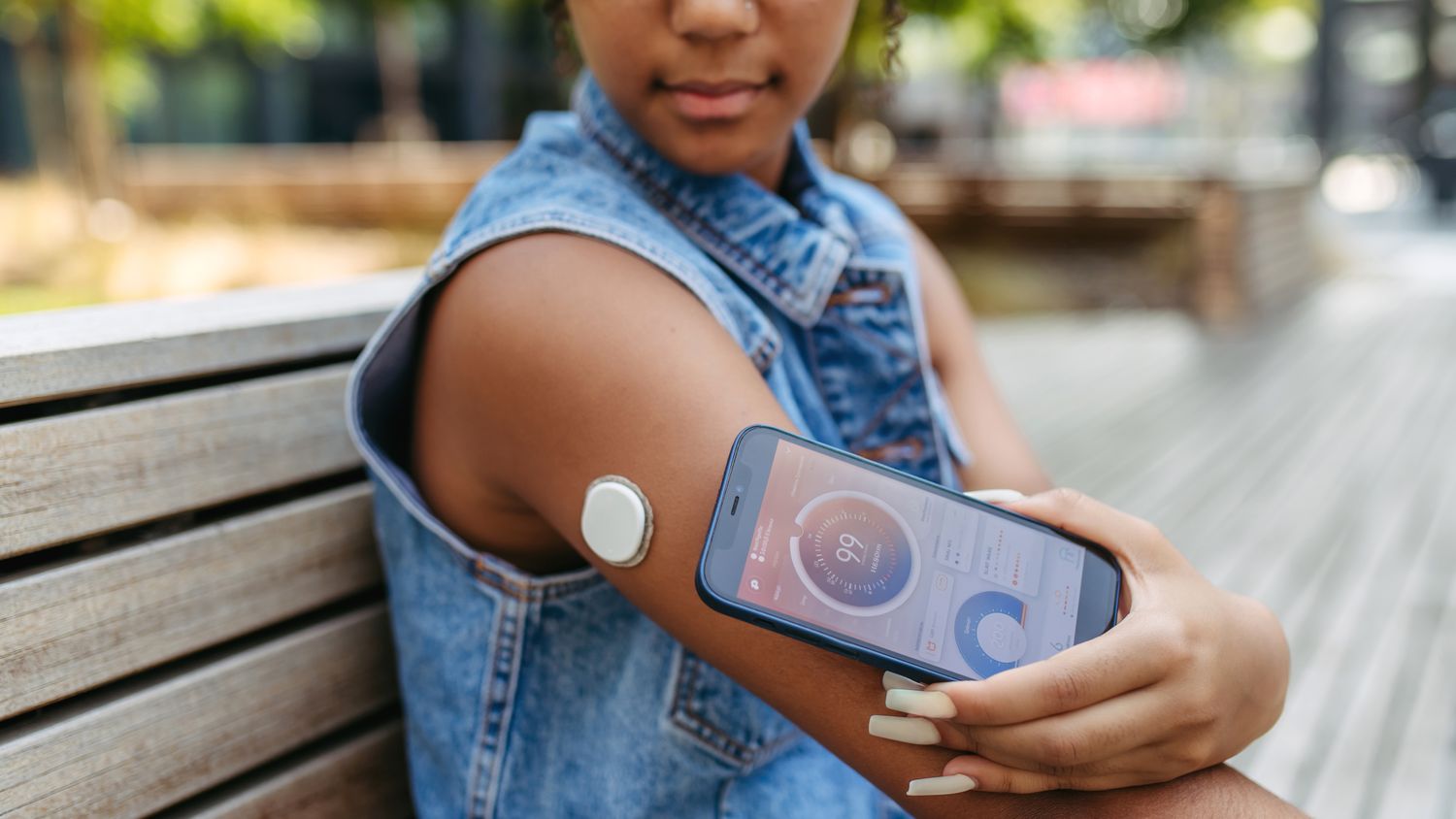
Knowing how to prevent eye strokes while taking Ozempic is about more than just reading a label; it is about active partnership with your medical team. Specialists can use advanced imaging to look for early microvascular pathology before permanent loss occurs.
Legal and Regulatory Landscape 2026
The year 2026 has seen a significant shift in the legal world regarding semaglutide. While early litigation focused on gastrointestinal issues like gastroparesis, there has been a major pivot toward vision loss claims. As of April 2026, the Ozempic vision loss legal claims update 2026 indicates that thousands of cases have been consolidated into MDL-3094.
Attorneys are focusing on Novo Nordisk liability, alleging that the manufacturer failed to adequately warn patients and doctors about the specific risks of NAION. The FDA has also noted that some previous marketing materials may have been misleading by downplaying the severity of potential ocular side effects. These MDL 3163 proceedings are expected to continue through the year, as more data from pharmacovigilance monitoring becomes available.
Internationally, the UK MHRA issued a safety update in February 2026, requiring more prominent warnings on GLP-1 packaging regarding the risk of ischemic optic neuropathy. These regulatory moves suggest that the medical community is moving toward a standard of "informed consent" where every patient is made aware of the 4x to 5x increased risk of eye stroke before they ever take their first dose.
FAQ
Does Ozempic cause eye strokes?
Recent clinical studies have established a strong association between semaglutide and a specific type of eye stroke known as NAION. While it does not affect every user, data suggests that patients taking Ozempic for type 2 diabetes are over four times more likely to develop this condition than those on other medications.
What are the symptoms of an eye stroke from semaglutide?
The most common symptom is a sudden, painless loss of vision in one eye, frequently noticed upon waking. Patients may also see a dark shadow or "curtain" across their field of vision or notice that colors appear significantly less vibrant than usual.
Is the risk of eye stroke higher with Wegovy or Ozempic?
The risk appears to be dose-dependent. Studies in 2026 indicate that Wegovy, which uses a higher 2.4mg dose of semaglutide, carries a risk that is five times higher than the standard Ozempic dosages used for diabetes management.
Who is most at risk for eye complications from semaglutide?
While anyone on the medication can be affected, male patients are diagnosed with NAION three times more often than female patients. Additionally, those with pre-existing vascular issues or those who experience rapid, dramatic improvements in their blood glucose levels may be at higher risk.
How can I protect my vision while taking Ozempic?
You should undergo a comprehensive eye health screening before starting treatment and continue with regular checkups every six months. Monitoring your blood pressure to avoid nocturnal drops and seeking immediate medical attention from a neuro-ophthalmologist if vision changes occur are the most effective ways to protect your sight.
Next Steps for Patients
If you are currently taking Ozempic or Wegovy, do not stop your medication without consulting your prescribing physician. However, it is essential to request a referral to an eye specialist for a baseline assessment of your optic nerve.
Maintaining a clear line of communication between your endocrinologist and your ophthalmologist ensures that your diabetes or weight loss journey does not come at the cost of your vision. Stay informed on the latest GLP-1 eye health risks and ensure you are being monitored for any signs of optic disc swelling or vascular compromise.