Quick Facts
- Approved Zones: The abdomen, the front of the thigh, and the back of the upper arm are the only FDA-cleared injection areas.
- Tissue Target: Successful delivery requires reaching the subcutaneous fat layer to ensure 89% bioavailability of the medication.
- Absorption Speed: Clinical data shows the abdomen allows for 12% faster absorption compared to the thigh, though overall efficacy remains consistent.
- Safety Buffer: Always maintain a distance of at least 2 inches from the belly button to avoid fibrous tissue and ensure proper drug uptake.
- Symptom Management: Many patients find that switching to the thigh or arm can help mitigate gastrointestinal side effects like nausea.
- Skin Health: Weekly rotation between different Ozempic injection sites is mandatory to prevent the formation of hard lumps known as lipohypertrophy.
Ozempic should be injected into the subcutaneous fatty tissue of the abdomen, the front of the thigh, or the back of the upper arm. The abdomen is the most common site due to its high absorption rate and ease of access, provided the injection is placed at least two inches away from the belly button. While the buttocks are sometimes used in clinical settings for other drugs, they are less common for this medication and may require assistance for proper needle placement.
Comparison: Abdomen vs. Thigh vs. Upper Arm
Choosing the best place to inject Ozempic often comes down to a balance between convenience, comfort, and how your body reacts to the medication. While Semaglutide is a powerful GLP-1 receptor agonist designed for systemic absorption, the specific region of adipose tissue you choose can influence your initial experience.
The abdomen is frequently cited as the best place to inject Ozempic because it offers a large surface area of consistent fatty tissue. This area is highly vascularized, which facilitates steady pharmacokinetics. However, clinical pharmacology studies indicate that semaglutide is absorbed approximately 12% more slowly when injected into the thigh compared to the abdomen. While this variation does not significantly impact the long-term clinical outcome or A1C reduction, some users prefer the slower uptake to potentially "level out" the initial peak of the drug.
The back of the upper arm is a valid third option, though it often requires more dexterity or a partner to assist. Despite these slight differences in speed, the FDA-approved labeling for Ozempic confirms that the medication is equally effective for blood sugar and weight management regardless of whether it is administered in the abdomen, thigh, or upper arm.
| Injection Site | Pros | Cons | Absorption Speed |
|---|---|---|---|
| Abdomen | Easiest to reach; consistent absorption; most fatty tissue. | Higher risk of immediate nausea for some; visible bruising. | Fastest |
| Thigh | Easiest for self-administration while seated; lower reported nausea. | 12% slower absorption; can be more painful if muscle is hit. | Slower |
| Upper Arm | Good alternative for rotation; less visible for those concerned with bruising. | Difficult to reach alone; requires more precision. | Moderate |
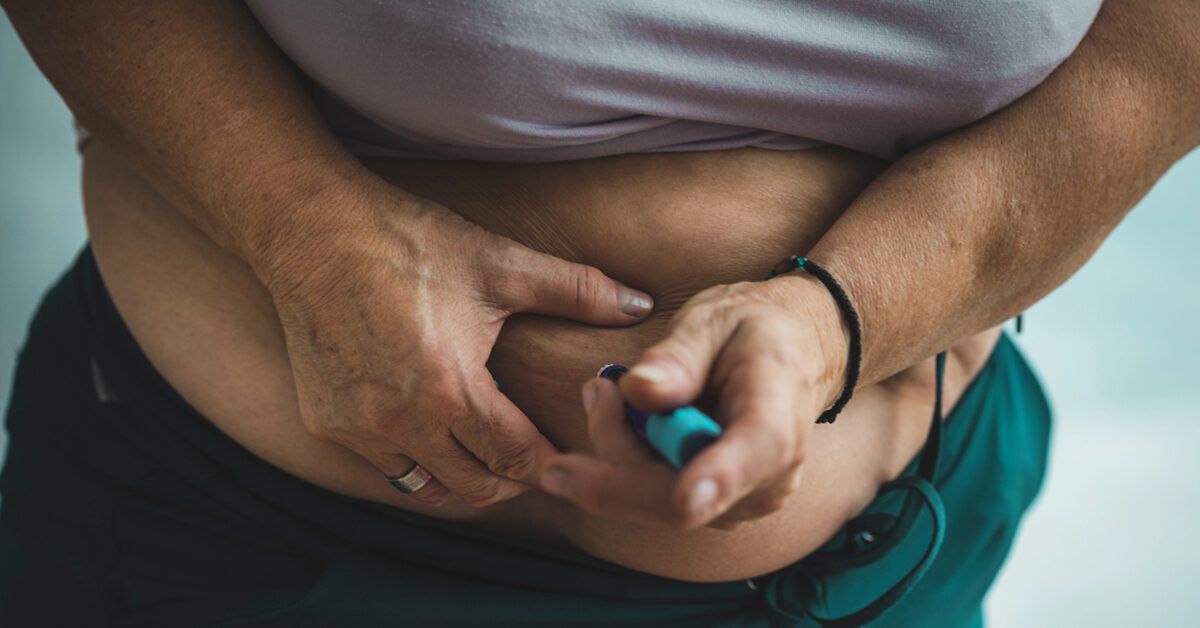
When considering the injecting Ozempic in thigh vs abdomen pros and cons, personal sensitivity plays a large role. The abdomen is often the least painful spot for Ozempic injection because of the higher concentration of fat, whereas the thigh may have more nerve endings closer to the surface. If you are experiencing significant Ozempic injection site nausea comparison issues, your healthcare provider might suggest moving from the stomach to the thigh to see if the slower absorption rate helps your digestive system adapt.
Mastering the Ozempic Injection Site Rotation
Maintaining the health of your skin is just as important as the medication itself. Repeatedly using the exact same spot can lead to complications like localized bruising or, more seriously, lipohypertrophy. This condition involves the development of firm, fatty lumps under the skin that can significantly hinder bioavailability because the medication cannot be absorbed evenly through scarred or thickened tissue.
To avoid this, you must implement a strict Ozempic injection site rotation protocol. A popular mental model for this is the "Abdominal Clock." Imagine your belly button is the center of a clock. On week one, you might inject at the 12 o'clock position (at least two inches away from the navel). On week two, you move to 3 o'clock, then 6 o'clock, and finally 9 o'clock. By the time you return to the top, the tissue has had nearly a month to recover.
Learning how to rotate Ozempic injection sites using a clock system ensures you are always utilizing fresh subcutaneous Ozempic injection areas. If you prefer to use multiple regions, you can alternate between the left side of the abdomen, the right side of the abdomen, the left thigh, and the right thigh. This four-week cycle is highly effective for preventing lipohypertrophy from Ozempic injections and ensuring your skin remains healthy throughout your dosage titration journey.
Technical Tips for Maximum Absorption and Comfort
To ensure you get the maximum results from your treatment, your injection technique must be precise. Even if you have chosen the best place to inject Ozempic, poor mechanics can lead to wasted medication or unnecessary discomfort.
- Prepare the Site: Always use alcohol prep pads to clean the skin before injecting. Let the alcohol dry completely; injecting through wet alcohol can cause a stinging sensation.
- Temperature Matters: If you store your extra pens in the refrigerator, take your current pen out about 30 minutes before use. Injecting cold liquid can sometimes cause more skin irritation than medication at room temperature.
- The Pinch Technique: For thinner patients, finding enough adipose tissue can be a challenge. In these cases, gently pinch a fold of skin to create a thicker subcutaneous Ozempic injection area. This ensures the needle stays in the fat and doesn't reach the muscle.
- The 6-Second Hold: After you have pressed the button and heard the click, do not immediately withdraw the needle. Watch the dose counter return to zero and count to six slowly. This ensures the full dose is delivered and prevents the medication from leaking back out of the injection site.
- Angle of Entry: Most users should insert the needle at a 90-degree angle. However, for those with very little body fat, a 45-degree angle may be recommended by a doctor to avoid intramuscular injection.
Common mistakes when choosing Ozempic injection sites include injecting too close to the navel or into areas with visible scars, stretch marks, or redness. These areas often have tougher tissue that interferes with systemic absorption. By following these steps and focusing on healthy, clear skin, you minimize the risk of localized bruising and ensure the Semaglutide enters your system efficiently.
FAQ
Does the Ozempic injection site affect its effectiveness?
Clinical evidence shows that while the absorption rate is slightly faster in the abdomen, the overall effectiveness for weight loss and blood sugar control remains the same regardless of which approved site you choose. The most important factor for effectiveness is ensuring the medication reaches the subcutaneous fat layer and that you rotate sites to avoid tissue damage.
Can I inject Ozempic into my upper arm?
Yes, the back of the upper arm is one of the three FDA-approved Ozempic injection sites. It is a great option for rotation, though it can be difficult to reach on your own. If you choose this site, ensure you are targeting the fleshy, fatty area on the back of the arm rather than the deltoid muscle.
Where is the least painful place to inject Ozempic?
For most people, the abdomen is the least painful spot for Ozempic injection because it typically contains the most subcutaneous fat and fewer surface-level nerve endings. However, pain perception is subjective; some users find the outer thigh just as comfortable. Using a room-temperature pen and a fresh needle every time also helps reduce discomfort.
How often should you rotate Ozempic injection sites?
You should rotate your injection site every single week. You do not necessarily need to switch from your stomach to your thigh every time, but you should never use the exact same spot twice in a row. Moving at least one inch away from your previous injection point is the minimum requirement for Ozempic injection site rotation.
Does injecting Ozempic in the thigh reduce nausea?
While not universally proven in clinical trials, many patients and healthcare providers report an Ozempic injection site nausea comparison that favors the thigh. The theory is that the 12% slower absorption rate in the thigh leads to a more gradual rise in semaglutide levels in the bloodstream, which may be gentler on the digestive system for sensitive individuals.