Quick Facts
- Safety Status: The FDA confirmed the 2mg/1.5mL Ozempic discontinuation was NOT due to safety or efficacy issues.
- New Warnings: Labels now include warnings for gastroparesis, ileus, and pulmonary aspiration (added 2024-2025).
- Suicide Risk: A 2026 review of 107,910 patients found no link between Ozempic and suicidal behavior.
- Product Rebranding: Oral semaglutide is now marketed under the Ozempic brand name for specific doses.
- Approval Status: The medication remains FDA-approved for glycemic control in type 2 diabetes, cardiovascular risk reduction, and chronic kidney disease management.
Ozempic safety remains a top concern for patients following recent FDA label changes. As of May 2026, the FDA has provided critical clarifications regarding dosage discontinuations and new safety warnings. The agency has confirmed that Ozempic remains a safe and approved medication for glycemic management and cardiovascular risk reduction; the removal of specific doses from the Orange Book was a marketing decision, not a safety withdrawal.
Decoding the May 2026 FDA Update
When news broke regarding the Federal Register notice dated April 30, 2026, many patients and healthcare providers felt a wave of uncertainty. The focus of this regulatory activity was NDA 209637, specifically involving the discontinuation of the Ozempic 2mg/1.5mL solution. For someone managing a chronic condition, "discontinued" can sound a lot like "recalled." However, the FDA Ozempic label update May 2026 explanation is rooted in administrative logistics rather than a health crisis.
The FDA explicitly stated that the decision by Novo Nordisk to stop marketing this specific dosage strength was not based on any findings of reduced therapeutic efficacy or emerging safety risks. In the world of pharmaceutical regulation, companies often streamline their product lines as newer, more efficient delivery systems—like higher-concentration pens—become the standard of care. This determination ensures that the medication is still considered safe for its intended use, which crucially allows for the continued approval of generic versions that meet current regulatory and labeling standards.
For the average patient, this means your medication is still a reliable tool for glycemic management. The "Orange Book" listing change is a technicality of the pharmaceutical market, ensuring that if a generic manufacturer wants to enter the space, they have a clear regulatory pathway based on the established safety profile of semaglutide. While the specific 2mg/1.5mL pen might be harder to find, the underlying medicine remains the gold standard for many living with type 2 diabetes.
Timeline of Ozempic Safety Warnings (2023-2026)
Understanding the current landscape requires looking back at how the safety profile of this GLP-1 receptor agonist has evolved through post-marketing surveillance. While clinical trials are rigorous, real-world use by millions of people often reveals rare side effects that only become apparent over time.
The timeline of Ozempic FDA label changes shows a commitment to transparency. In September 2023, the FDA updated the Ozempic label to include a warning for ileus, a condition where the muscle contractions that move food through the digestive tract temporarily stop. This intestinal blockage was reported in a small number of patients post-approval, leading the agency to ensure that providers and patients were looking for the signs.
Following this, late 2024 and 2025 saw further refinements. In November 2024, a warning regarding pulmonary aspiration during surgery was added, advising patients to discuss their Ozempic use with anesthesiologists before elective procedures. By October 2025, the label was further updated to include severe gastroparesis, commonly referred to as stomach paralysis, and fecal impaction. While clinical trial data typically showed only 0.4% to 0.8% of patients experiencing severe gastrointestinal reactions, these post-marketing reports highlight the need for ongoing vigilance.
A significant milestone occurred in January 2026. After years of speculation regarding mental health impacts, the FDA announced that a comprehensive review of 91 clinical trials involving 107,910 patients found no increased risk of suicidal thoughts or behavior associated with the use of GLP-1 medications. This was a major relief for the medical community, effectively debunking one of the more alarming rumors surrounding the drug and reinforcing the overall positive risk-benefit profile of the medication.
Practical Guide: Managing Side Effects and Patient Precautions
Despite the reassuring news regarding long-term safety, the day-to-day reality of Ozempic often involves navigating gastrointestinal distress. Nausea, vomiting, diarrhea, and constipation are the most frequent companions during the first few weeks of treatment. This is because semaglutide mimics a hormone that slows down stomach emptying, which is great for blood sugar control but can be tough on the digestive system.
To ensure your Ozempic side effects warning doesn't turn into a reason to quit, doctors emphasize the importance of medication titration. Starting at a low dose (usually 0.25 mg) and gradually increasing over several months allows your body to adjust. If you find yourself struggling with nausea, many patients find relief by eating smaller, more frequent meals and avoiding high-fat or greasy foods that stay in the stomach longer.
Common vs. Serious Side Effects
| Category | Side Effects | Recommended Action |
|---|---|---|
| Common | Nausea, Vomiting, Diarrhea, Constipation | Stay hydrated; eat small meals; wait for titration adjustment. |
| Serious | Severe abdominal pain, Persistent vomiting | Seek immediate medical attention; screen for pancreatitis. |
| Serious | Changes in vision, Swelling in neck | Consult your doctor; check for diabetic retinopathy or thyroid issues. |
| Serious | Decreased urination, Leg swelling | Monitor kidney function; discuss with your specialist. |
Recognizing early warning signs of ozempic pancreatitis or kidney issues is vital for long-term health. Pancreatitis often presents as severe pain in the upper stomach that radiates to the back, sometimes accompanied by a fever. Regarding kidney health, dehydration from vomiting or diarrhea is often the primary culprit for kidney function deterioration. This makes regular medical monitoring for long term ozempic use a non-negotiable part of your healthcare routine.
Patients should also take specific ozempic precautions for patients with thyroid history. The FDA maintains a boxed warning regarding the potential risk of thyroid C-cell tumors, based on animal studies. While this hasn't been definitively proven in humans, those with a personal or family history of Medullary Thyroid Carcinoma (MTC) or Multiple Endocrine Neoplasia syndrome type 2 (MEN 2) are typically advised to avoid the medication.
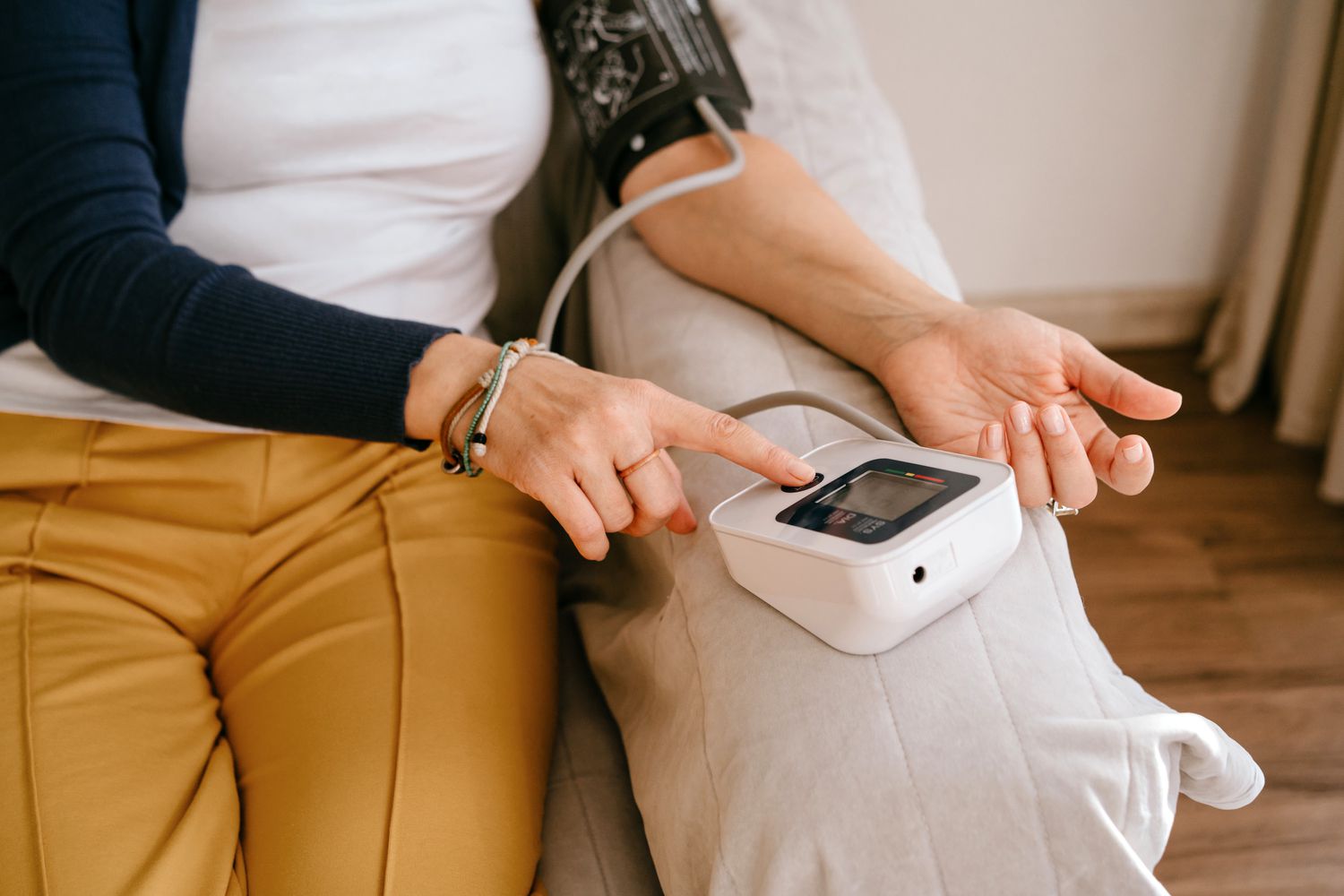
Managing ozempic digestive side effects with diet is a proactive way to stay comfortable. Prioritize lean proteins and easy-to-digest carbohydrates like crackers or rice if you are feeling queasy. Most importantly, maintain a high fluid intake to support your kidneys and keep your digestive system moving.
Future Outlook: Oral Ozempic and High-Dose Formulations
The landscape of semaglutide is shifting toward more variety and higher potency. In February 2026, the medical community witnessed a rebranding effort where oral semaglutide tablets in 1.5mg, 4mg, and 9mg doses were officially brought under the Ozempic brand umbrella for specific indications. This move aims to simplify the product choices for patients who prefer a pill over a weekly injection.
The data driving these changes is impressive. Results from the STEP-UP clinical trials demonstrated that higher doses could lead to significant health improvements, including an average of 18.7% weight loss in some cohorts, which has a massive impact of ozempic label changes on chronic kidney disease and cardiovascular health. Furthermore, decisions regarding a 7.2mg weekly injectable formulation are expected later this year, promising even more robust options for those who have not met their targets on lower doses.
As these new formulations enter the market, the same principles of clinical surveillance will apply. Whether you are taking a pill or an injection, the commitment to monitoring for gastroparesis and other adverse events remains a priority for the FDA and Novo Nordisk.
FAQ
Is Ozempic safe for long-term use?
Most clinical data suggests that the medication is safe for long-term use when prescribed and monitored by a healthcare professional. A comprehensive review of over 100,000 patients found no link to increased suicidal behavior, and the primary long-term risks, such as kidney issues or pancreatitis, can usually be managed through regular check-ups and proper hydration.
What are the serious risks associated with Ozempic?
While rare, serious risks include pancreatitis (inflammation of the pancreas), gallbladder problems, kidney failure, and serious allergic reactions. There is also a boxed warning regarding thyroid C-cell tumors based on animal data. Patients should be aware of the new warnings for ileus and severe stomach paralysis added in the 2023-2025 label updates.
Can Ozempic cause thyroid problems?
In rodent studies, semaglutide caused thyroid C-cell tumors. It is unknown if it causes these tumors in humans. However, the FDA advises against use in patients with a personal or family history of medullary thyroid carcinoma or MEN 2. Regular neck exams by a physician are recommended during treatment.
What are the warnings for Ozempic?
The current FDA label includes warnings for pancreatitis, diabetic retinopathy complications, hypoglycemia (especially when used with insulin), acute kidney injury, gallbladder disease, and gastrointestinal blockages like ileus and gastroparesis. Patients should also be screened for pulmonary aspiration risks before undergoing anesthesia.
Are there gastrointestinal safety concerns with Ozempic?
Yes, gastrointestinal issues are the most common side effects. While most are mild, such as nausea and diarrhea, the FDA has recently added warnings for more severe conditions like ileus (intestinal blockage) and gastroparesis (stomach paralysis). These conditions often require medical intervention and a re-evaluation of the treatment plan.
Conclusion: Consultation and Monitoring
The journey of a modern medication is one of constant learning. The May 2026 FDA update reinforces that while the 2mg/1.5mL dose is being phased out for commercial reasons, the safety of the medication itself remains intact for the millions who rely on it. The evolution of the label—adding warnings for ileus or gastroparesis—is not a sign that the drug is "getting more dangerous," but rather a sign that the safety monitoring system is working exactly as it should.
Your role as a patient is to be an active participant in your care. If you have concerns about is ozempic 2mg 1.5ml withdrawn for safety concerns, take heart in the fact that the FDA has cleared the air on this marketing shift. However, do not hesitate to bring up questions for doctors regarding new ozempic label warnings at your next appointment. Discuss your family history, monitor your symptoms, and follow the titration schedule closely.
By combining the therapeutic power of semaglutide with a proactive approach to patient precautions, you can continue to manage your health with confidence. The risk-benefit profile remains highly positive for most individuals with type 2 diabetes and chronic kidney disease, provided that the treatment is paired with professional clinical surveillance.