Quick Facts
- Primary Benefit: Bananas help ease the severity of physical withdrawal through a high concentration of vitamins B6 and B12 and magnesium.
- Nicotine Recovery: Research indicates that high fruit and vegetable intake can lead to a 3x higher success rate in long-term cessation.
- The 5-Minute Rule: Most intense nicotine cravings peak within 300 seconds; consuming a banana provides a slow-release energy distraction during this window.
- Taste Factor: As alkaline foods, bananas can alter your palate and make the flavor of tobacco significantly less appealing.
- Weight Control: High dietary fiber content helps prevent the common mistake of confusing nicotine hunger with actual caloric needs.
- Nutrient Synergies: The combination of tryptophan and potassium helps stabilize heart rate and boost mood during the first 72 hours of quitting.
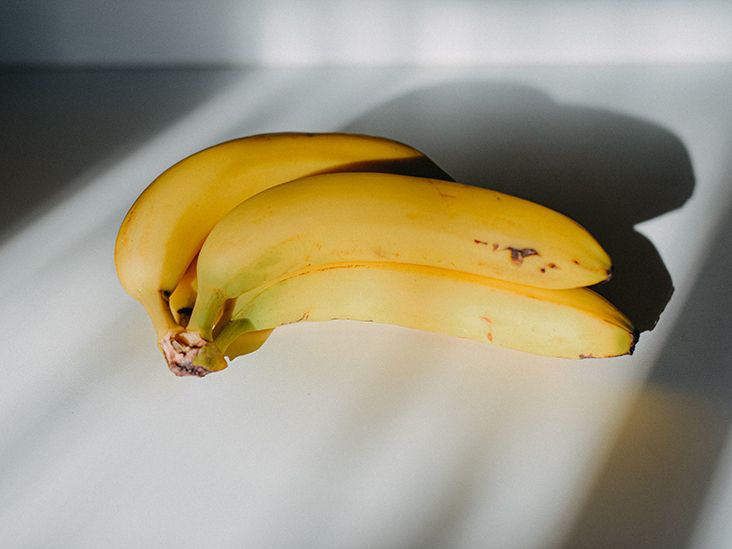
A quit smoking diet incorporating bananas provides essential vitamins B6 and B12, potassium, and magnesium to help the body recover from nicotine depletion. Bananas help stabilize blood sugar and boost serotonin, effectively reducing the irritability of nicotine withdrawal.
The Biochemistry of Recovery: Why Bananas Work
When you stop smoking, your body doesn't just crave nicotine; it is struggling to find a new equilibrium. For years, nicotine has hijacked your dopamine pathways and influenced your metabolic rate. This is where a strategic quit smoking diet becomes a physiological necessity rather than a lifestyle choice. Bananas are often overlooked in clinical nutrition for addiction, yet they contain a specific matrix of micronutrients that target the exact systems nicotine disrupts.
The central nervous system takes a heavy hit during the first week of cessation. Nicotine withdrawal often manifests as a "brain fog" or extreme irritability. Vitamin B6 benefits the body by acting as a co-enzyme in the synthesis of neurotransmitters. Specifically, B6 is required to produce GABA and serotonin, the chemicals responsible for keeping you calm and maintaining a stable mood. When your vitamin B6 levels are optimal, the "edge" of the withdrawal feels significantly less sharp.
Furthermore, the cardiovascular system undergoes rapid changes once the constant intake of carbon monoxide and nicotine stops. You might notice your heart rate fluctuating or feeling "jittery." This is where potassium intake and magnesium levels play their most critical role. Magnesium is nature’s relaxant; it helps regulate the stress response and prevents the muscle tension often associated with nicotine cravings. Potassium works alongside it to stabilize blood pressure, which can spike during moments of intense psychological stress.
Beyond just minerals, bananas contain tryptophan. This amino acid is the precursor to serotonin. Because nicotine provides a temporary (and artificial) dopamine spike, your brain's natural "feel-good" chemistry is often suppressed in the early stages of quitting. By increasing your intake of foods to boost dopamine when quitting smoking, you are essentially providing your brain with the raw materials it needs to manufacture its own happiness again.
Solving the Oral Fixation: Bananas as a Behavioral Tool
Most people who fail to quit smoking do so not because they lack willpower, but because they lack a substitute for the habit. Smoking is a rhythmic, hand-to-mouth behavior. When you remove the cigarette, your hands and mouth are left with a "void" that often leads to mindless snacking on high-sugar, processed junk food.
Incorporating best fruits to quit smoking into your daily routine offers a functional solution to oral fixation. Slicing a banana into small, bite-sized rounds provides a repetitive action that mimics the hand-to-mouth habit of smoking. It occupies the hands and provides sensory feedback to the mouth without the toxic load of a cigarette.
We often recommend the 5-Minute Rule to our readers. Clinical data suggests that the peak intensity of a nicotine urge rarely lasts longer than five minutes. If you can occupy that 300-second window with a constructive action, the craving will subside. Peeling and eating a banana is a mindful process. It requires focus and provides immediate tactile stimulation, making it one of the most effective healthy snack alternatives for smoking triggers.
A 2020 study involving participants with mental health conditions found that consuming bananas can help reduce nicotine cravings, providing a natural form of oral stimulation that may distract from the urge to smoke. This suggests that the benefit is not just chemical, but psychological. By replacing a harmful ritual with a nutrient-dense one, you are retraining your brain’s reward system.
Sensory Deterrents and Metabolic Health
One of the most fascinating aspects of nutrition in addiction recovery is how certain foods change our sensory perception of the drug. Some foods make cigarettes taste "better" (like caffeine and red meat), while others make them taste distinctly worse. Research has shown that alkaline foods, such as fruits and vegetables, can create a flavor profile in the mouth that clashes with the chemical taste of tobacco.
Bananas are among the best fruits to help you quit smoking because they are highly alkaline. When your mouth's pH balance shifts toward alkaline, the smoke from a cigarette can taste bitter or metallic. This sensory deterrent is a powerful tool in preventing a relapse. If the thing you crave suddenly tastes repulsive, the psychological grip of the addiction begins to loosen.
Metabolic health is another major concern for those on a quit smoking diet. Nicotine is a stimulant that artificially suppresses appetite and slightly raises the metabolic rate. When you quit, your metabolism may slow down, and your appetite will almost certainly increase. This is why many people gain weight in the first few months.
The fiber found in bananas is essential for blood sugar regulation. Unlike a candy bar or a soda, which causes a blood sugar spike followed by a crash (leading to more cravings), a banana provides a slow, steady release of energy. This stable glucose level prevents the physiological stress responses that often lead to intense nicotine urges and smoking relapses. Furthermore, a 2017 study indicated that a diet high in fruits such as bananas, apples, and tomatoes can help slow the decline in lung function, particularly among former smokers. This provides long-term incentive: you aren't just quitting; you are actively repairing the damage.
Creating Your Smoking Cessation 'Quit Kit'
Success in quitting smoking is often a matter of preparation. You cannot wait for the craving to hit to decide what to eat. You need a structured plan that prioritizes vitamins for smoking cessation and habit replacement.
The First 72 Hours: The Crisis Phase During this window, your focus should be on hydration and stabilizing your nervous system.
- Increase your potassium intake by eating at least two bananas a day.
- Pair them with a glass of water to help flush nicotine metabolites from your system.
- Focus on magnesium-rich snacks like almonds alongside your fruit to keep the nervous system calm.
Weeks 1-2: The Habit Rebuilding Phase This is when the oral fixation becomes most annoying.
- Use sliced bananas as your primary healthy snack alternatives for smoking triggers.
- Carry a "Quit Kit" that includes pre-sliced fruit, carrot sticks, and herbal tea.
- Avoid excessive caffeine, as it can increase the anxiety that triggers a need for a cigarette.
Long-Term: The Repair Phase
- Continue a diet rich in vitamins to help with smoking cessation, specifically targeting lung health.
- Combine bananas with dairy products like yogurt; the proteins in dairy further alter the taste of tobacco, making it less likely you will enjoy a "slip-up" cigarette.
- Focus on alkaline foods to keep your body in a state that naturally rejects the taste of smoke.
FAQ
What foods help reduce nicotine cravings?
Foods that are high in fiber and take time to eat are most effective. Bananas, apples, and carrots help with the physical habit, while alkaline foods like leafy greens and dairy products can make the actual taste of a cigarette unpleasant. Stabilizing your blood sugar with complex carbohydrates also prevents the hunger-induced irritability that mimics nicotine withdrawal.
How can I avoid weight gain while quitting smoking?
Weight gain occurs when the body replaces nicotine's stimulant effect with high-calorie "comfort" foods. To avoid this, prioritize high-fiber snacks like bananas which provide satiety with relatively low calories. Maintaining stable blood sugar through regular, nutrient-dense meals prevents the binge-eating episodes that often follow a nicotine craving.
Does drinking milk make cigarettes taste bad?
Yes, many smokers report that dairy products, including milk and cheese, give cigarettes an unpleasant, bitter aftertaste. Incorporating dairy into your quit smoking diet can act as a natural deterrent, making the act of smoking less rewarding on a sensory level.
What vitamins should I take after I stop smoking?
Focus on vitamins for smoking cessation that support the nervous system and cellular repair. Vitamin B6 and B12 are crucial for energy and nerve health, while Vitamin C is essential because smoking significantly depletes the body's stores of this antioxidant. Increasing your intake of magnesium and potassium via whole foods like bananas also helps manage the physical stress of withdrawal.
Are there snacks that help with the hand-to-mouth habit of smoking?
The best snacks for oral fixation are those that require some effort to eat. Sliced bananas, celery sticks, sunflower seeds (in the shell), and even sugar-free gum can provide the necessary hand-to-mouth behavior. These help satisfy the psychological urge to have something in your hand or mouth without the health risks of tobacco.