Quick Facts
- Safety Limit: Maximum 350g (approx. 12oz) of red meat per week.
- Single Serving: Aim for 70g (the size of a deck of cards or 3 thin slices).
- Risk Factor: Processed meat carries nearly double the heart risk of unprocessed lean cuts.
- 2026 Consensus: Most health experts prioritize plant-based fats over animal fats despite shifting federal policies.
- Core Risk: High intake is linked to cardiovascular disease, stroke, and systemic inflammation.
- Balanced Approach: Integrating lean portions into a Mediterranean or DASH diet can mitigate potential harms.
Red meat consumption, particularly processed varieties like bacon and sausages, is linked to increased risks of cardiovascular disease, stroke, and heart failure. High levels of saturated fats and cholesterol in certain cuts can contribute to atherosclerosis and elevated lipid profiles. Limiting intake and choosing lean cuts or plant-based proteins can help mitigate these cardiovascular risks and support long-term red meat heart health.
Navigating the 2026 Red Meat Controversy
The conversation surrounding red meat heart health has reached a pivotal moment in 2026. For years, the message was simple: avoid red meat to protect your heart. However, the current dietary landscape is more nuanced, reflecting a clear divide between federal policy and established medical organizations. The 2026 dietary guidelines for red meat consumption from the Department of Health and Human Services (DHHS) have shifted toward a broader emphasis on unprocessed whole foods. This shift suggests that the quality of the food matters as much as the category itself.
Conversely, the American Heart Association (AHA) maintains a stricter stance, continuing to recommend a significant limitation on all red meats and saturated fat. This rift has created what experts call the Consensus Zone. While the organizations may disagree on the exact number of ounces allowed per week, they find common ground in the danger of ultra-processed foods. Both groups agree that nitrates and nitrites used in meat preservation are primary drivers of systemic inflammation and arterial damage.
For the average consumer, navigating this conflict means focusing on food quality. The goal in 2026 is no longer just about cutting calories or fat; it is about reducing the intake of chemical additives and high-sodium products that compromise our internal health environment.
The Biological Mechanism: Beyond Saturated Fat
Traditional heart health advice focused almost exclusively on how animal products affect our lipid profile. While it remains true that saturated fat and cholesterol levels are critical indicators of heart health, modern science has uncovered a more complex biological pathway involving the gut microbiome health.
When we consume red meat, gut bacteria break down a nutrient called L-carnitine. This process produces a byproduct known as TMAO (Trimethylamine N-oxide). High levels of TMAO in the blood are strongly associated with an increased risk of heart attacks and strokes. This mechanism explains why some individuals with relatively normal cholesterol levels still experience atherosclerosis; the damage is being driven by metabolic byproducts rather than just dietary fat.
Furthermore, red meat is a significant source of heme iron. While essential for preventing anemia, an excess of heme iron can catalyze the production of reactive oxygen species, leading to oxidative stress in the blood vessels. This process contributes to the hardening of the arteries, making red meat heart health a concern that involves chemistry far beyond the simple "clogged pipe" metaphor of the past.
Risk Stratification: Processed vs Unprocessed Meat
Not all red meat carries the same level of danger. The most significant discovery in recent cardiology is the sharp distinction in risk between processed vs unprocessed meat. Processed meats, such as hot dogs, salami, and deli meats, are often loaded with sodium and preservatives that escalate blood pressure and damage the delicate lining of the blood vessels.
Research from Oxford University has quantified these risks with alarming clarity. Every 50-gram daily increase in processed meat intake is associated with an 18% higher risk of coronary heart disease, while the same daily increase in unprocessed red meat is linked to a much lower 9% risk.
| Meat Category | Daily Increase (50g) | Heart Disease Risk Increase | Primary Risk Drivers |
|---|---|---|---|
| Processed (Bacon, Sausage) | 50g | 18% | Sodium, Nitrates, Saturated Fat |
| Unprocessed (Steak, Lamb) | 50g | 9% | Heme Iron, Saturated Fat, TMAO |
| Lean Cuts (Sirloin, Mince) | 50g | <5% (estimated) | Saturated Fat (Minimal) |
Moreover, the frequency of consumption plays a vital role. A study highlighted by the American Heart Association noted that consuming an additional 1.1 servings of red meat per day is associated with a 22% increased risk of developing atherosclerotic cardiovascular disease. These statistics suggest that the cumulative effect of daily meat consumption is a primary driver of long-term chronic disease.

The Heart Healthy Red Meat Portion Guide
To manage red meat heart health effectively, we must move away from the "meat-centered" plate. In many Western cultures, a single steak can weigh 12 to 16 ounces, which is more than the recommended limit for an entire week. Adopting a proper red meat portion guide is the most effective way to enjoy beef or lamb without significantly elevating your risk profile.
The 350g Rule
To maintain optimal cardiovascular health, medical experts suggest a maximum of 350 grams (about 12 ounces) of cooked red meat per week. This total should ideally be spread across three small servings, rather than consumed in one sitting.
Visualizing these portions is key to success:
- A single 70g serving is roughly the size of a deck of playing cards.
- It equates to approximately 3 thin slices of roast beef or lamb.
- In terms of ground beef, it is about the size of one small slider patty.
By treating red meat as a side dish or a flavor enhancer rather than the main event, you can significantly lower your intake of saturated fat. This "meat-as-a-condiment" approach is a hallmark of many long-lived populations and is a core component of the most successful heart-healthy diets.
Implementation: Swaps and Cooking Techniques
Reducing your risk doesn't always mean total abstinence. It often involves changing how you prepare your food and what you choose to put on your plate alongside it. When looking for heart healthy ways to cook red meat, focus on methods that allow fat to drip away from the meat. Grilling, broiling, or roasting on a rack are far superior to frying in butter or oil.
Furthermore, red meat consumption for people with high cholesterol should prioritize the leanest possible cuts. Look for labels like "choice" or "select" rather than "prime," as prime cuts are characterized by heavy marbling (intramuscular fat). Trimming all visible fat before cooking can reduce the saturated fat content by up to 50%.
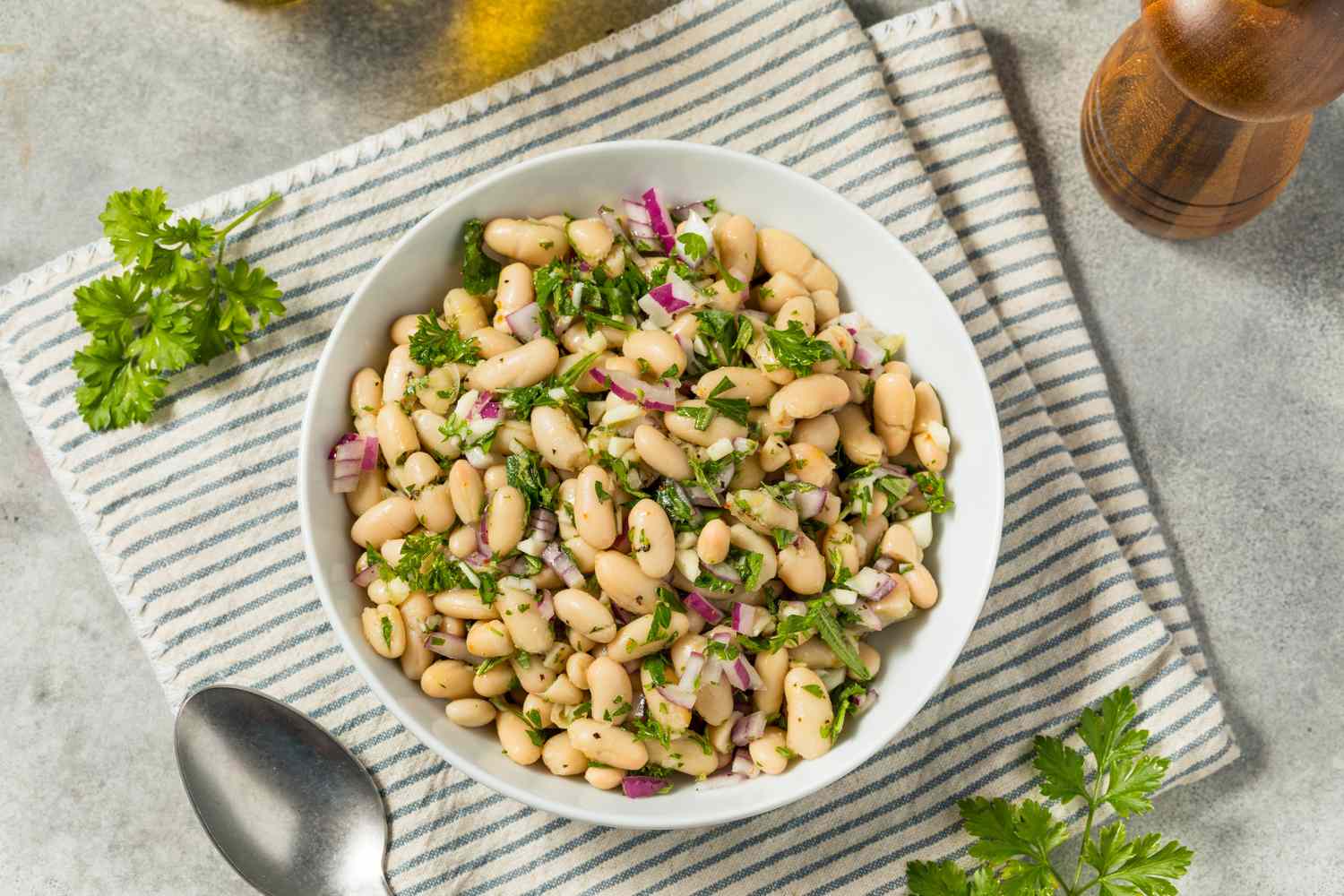
A crucial part of the 2026 strategy is swapping red meat for plant based proteins guide. Integrating more legumes, lentils, and chickpeas into your weekly routine provides the protein and iron found in meat but with the added benefit of fiber, which actively works to lower cholesterol.
Effective dietary frameworks for this transition include:
- The Mediterranean Diet: Prioritizes healthy fats like olive oil and nut oils, using red meat only a few times per month.
- The DASH Diet: Focuses on lowering blood pressure by emphasizing fruits, vegetables, and lean proteins while strictly limiting sodium-heavy processed meats.
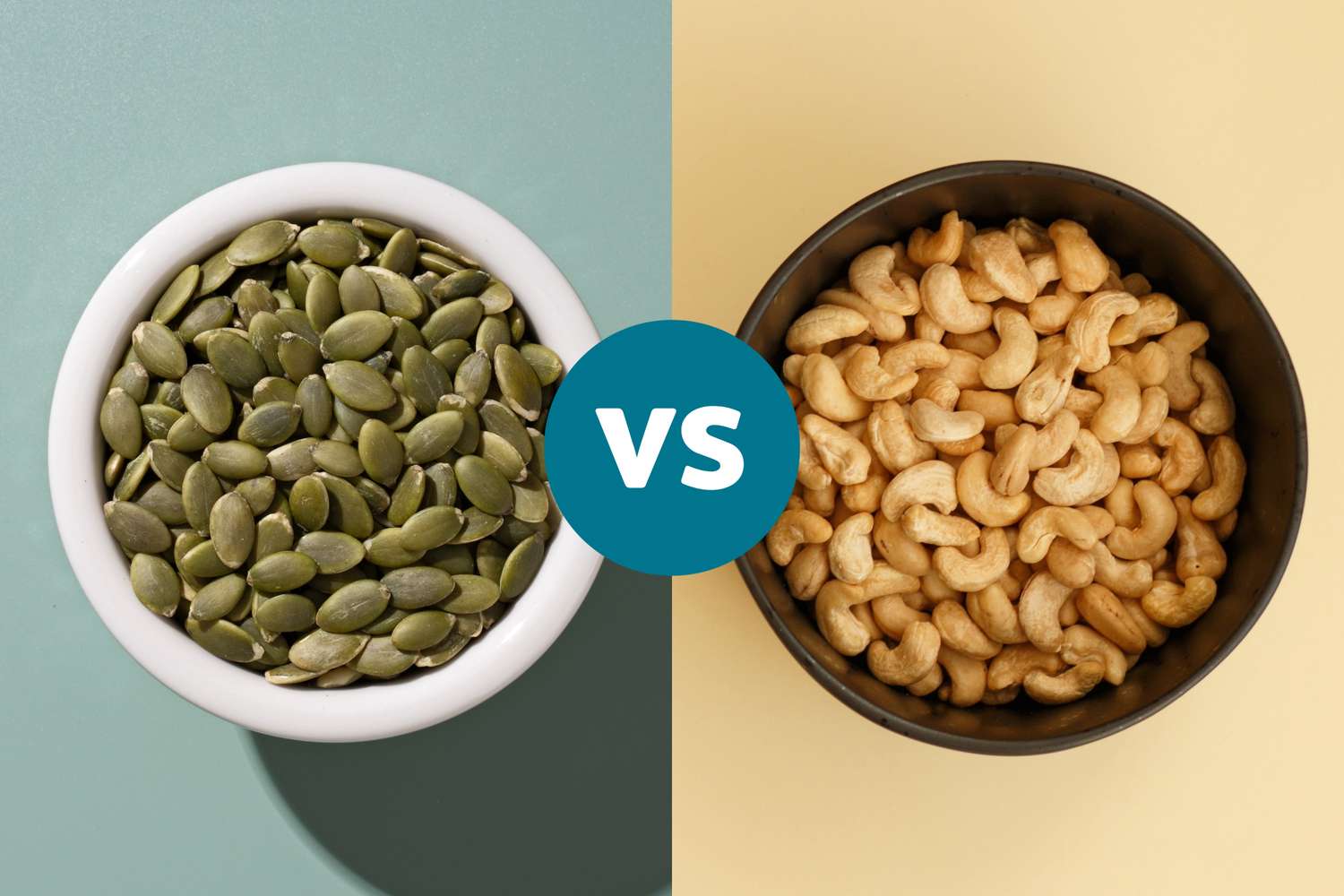
By shifting your pantry toward seeds, seafood, and plant-forward fats, you create a protective buffer for your cardiovascular system.
FAQ
Is red meat bad for your heart?
Red meat is not inherently "poison," but high consumption is strongly linked to increased risks of heart disease and stroke. The risk level depends heavily on whether the meat is processed and the total amount consumed weekly.
How much red meat can I eat per week for heart health?
Current medical consensus suggests limiting red meat to no more than 350 grams (about 12 ounces) per week. This should ideally be split into small servings of 70 grams each.
What is the link between red meat and cholesterol?
Red meat contains saturated fats that can raise LDL (bad) cholesterol levels in the blood. Additionally, the gut's production of TMAO during meat digestion can accelerate the buildup of plaque in the arteries, regardless of cholesterol levels.
Is lean red meat healthier for the heart?
Yes, lean cuts like sirloin tip or top round contain significantly less saturated fat than marbled steaks or processed items like sausages. Choosing lean cuts reduces the overall impact on your lipid profile.
What are the heart-healthy alternatives to red meat?
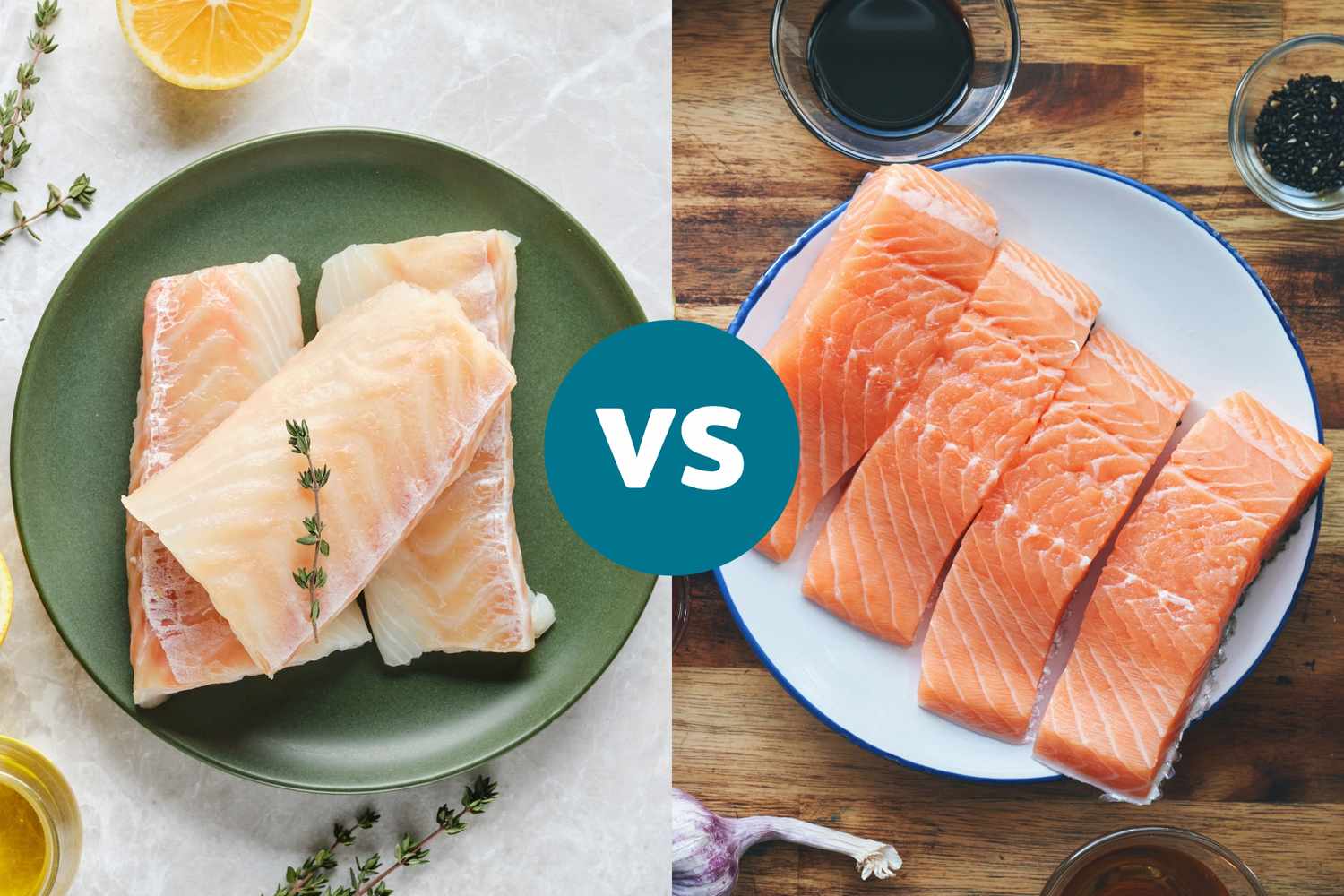
Excellent alternatives include fatty fish rich in omega-3s (like salmon), legumes (lentils and beans), nuts, and seeds. These provide essential proteins and minerals without the high saturated fat content found in beef or pork.
The Path Forward for Heart Longevity
The impact of small dietary changes on a national scale is profound. Research indicates that a 30% reduction in red and processed meat consumption by American adults could prevent an estimated 382,400 cases of cardiovascular disease over a 10-year period. This figure highlights that you don't have to become a vegetarian to save your heart; you simply need to find a better balance.
By prioritizing unprocessed cuts, adhering to the 350g weekly rule, and embracing the fiber-rich components of the Mediterranean and DASH diets, you can enjoy the nutritional benefits of red meat while keeping your cardiovascular risks in check. The future of red meat heart health is not about deprivation, but about intentionality and the conscious choice to favor plant-based fats and whole foods over convenience and processed alternatives.