Quick Facts
- Active Ingredient: Both medications utilize semaglutide, a GLP-1 receptor agonist, to manage type 2 diabetes.
- Administration: Rybelsus is a daily oral pill; Ozempic is a weekly subcutaneous injection.
- A1C Efficacy: Ozempic typically provides a higher reduction (1.5–1.8%) compared to Rybelsus (1.0–1.4%).
- Dosage Equivalency: A 14mg daily dose of Rybelsus offers glycemic control roughly equivalent to a 0.5mg weekly dose of Ozempic.
- Key Health Benefits: Ozempic is FDA-approved to reduce the risk of major cardiovascular events and kidney failure in specific patient groups.
- Storage Requirements: Rybelsus is shelf-stable at room temperature, while Ozempic requires refrigeration before the first use.
- Patient Preference: Choosing between them often comes down to a preference for a daily pill versus a once-weekly needle.
Rybelsus vs Ozempic are both potent semaglutide treatments for type 2 diabetes, but they differ in administration and efficacy. While both improve glycemic control and offer metabolic health benefits, Ozempic generally leads to more significant HbA1c reduction.
Bioavailability and the 0.8% Rule
When comparing oral vs injectable semaglutide, the most striking difference for many patients is the dosage size. A patient taking Rybelsus might consume 14mg every single day, while an Ozempic patient might only inject 0.5mg once a week. This massive discrepancy exists because of a concept known as bioavailability.
Semaglutide is a protein-based molecule. Normally, if you were to swallow it, the harsh enzymes and acids in your stomach would digest it before it ever reached your bloodstream. To solve this, the makers of Rybelsus developed a specialized absorption enhancer called SNAC (salcaprozate sodium). Even with this technology, the bioavailability of oral semaglutide is only about 0.4% to 1%. This means that when you take a 14mg tablet, your body only actually absorbs a tiny fraction of that medication.
In contrast, a subcutaneous injection bypasses the digestive system entirely, delivering the medication directly into the fatty tissue where it is steadily absorbed into the blood. This high efficiency is why Ozempic doses are so much lower. Understanding this helps clarify why a daily pill and a weekly shot can lead to similar results, even though the numbers on the packaging look very different. Dosage titration for both medications usually starts low to allow the body to adjust to the metabolic changes.
Blood Sugar Efficacy: A1C Reduction Comparison
For most patients with type 2 diabetes, the primary goal is achieving stable glycemic control and a lower HbA1c. In the battle of Rybelsus vs Ozempic, clinical data generally gives the edge to the injectable format. The consistent, slow-release nature of the injection tends to maintain more stable levels of the medication in the system over time.
Clinical trial data indicates that Ozempic (subcutaneous semaglutide) typically reduces HbA1c levels by 1.5% to 1.8%, while Rybelsus (oral semaglutide) reduces them by approximately 1.0% to 1.4%. This gap, while seemingly small, can be the difference between reaching a target A1C of 7.0% or remaining in a higher, more risky range.
Furthermore, medical research indicates that a 14 mg daily oral dose of Rybelsus provides glycemic control roughly equivalent to a 0.5 mg weekly dose of injectable Ozempic. In separate clinical evaluations, a 1 mg weekly dose of Ozempic achieved a 1.6% reduction in HbA1c after 30 weeks, compared to a 1.4% reduction for a 14 mg daily dose of Rybelsus at 26 weeks.
When considering Ozempic vs Rybelsus for weight loss in type 2 diabetes, the results mirror the blood sugar findings. While both drugs promote weight loss by slowing gastric emptying and signaling fullness to the brain, patients on the higher doses of the injection (1mg or 2mg) typically lose more weight than those on the 14mg oral tablet. This makes semaglutide efficacy for blood sugar and weight management a key factor for those with a high BMI.
Administration: The 30-Minute Rule vs. The Weekly Shot
The choice between these medications often rests on a patient’s daily routine and compliance. While a pill sounds easier than a needle, Rybelsus comes with very specific instructions that can be difficult for some to follow.
To ensure the medication is absorbed, Rybelsus must be taken:
- As the very first thing in the morning.
- On an empty stomach.
- With no more than 4 ounces of plain water.
- At least 30 minutes before eating, drinking anything else, or taking other oral medications.
Taking Rybelsus on an empty stomach vs Ozempic timing is a major differentiator. If you are someone who wakes up needing a large cup of coffee immediately, or if you take several other morning medications, the 30-minute fast can be a significant hurdle. Failure to follow this rule strictly can result in the medication not working at all, as food or too much water interferes with the absorption mechanism.
Ozempic, on the other hand, is a once-weekly subcutaneous injection. It can be taken at any time of day, with or without food. For many, the convenience of only having to think about their medication once a week outweighs the discomfort of a small needle. However, for those with a genuine needle phobia, the oral tablet remains a breakthrough option that avoids injections entirely. Choosing between Rybelsus and Ozempic for needle phobia is a common conversation in many clinics, as the best medication is the one the patient is actually willing to take.
Side Effects & Gastrointestinal Tolerance
Because both drugs share the same active ingredient, they also share a similar side effect profile. Comparing semaglutide side effects reveals that most issues are gastrointestinal in nature.
Commonly reported side effects include:
- Nausea and vomiting
- Diarrhea or constipation
- Abdominal pain and bloating
- Decreased appetite
While the side effects are similar, the "experience" of them can vary. Because Rybelsus is a daily pill, the dose is introduced to the system every 24 hours. Some patients find this leads to a steady, low-level nausea. Ozempic, being a weekly dose, creates a "peak" in medication levels shortly after the injection, which might cause more intense symptoms for a day or two, followed by a tapering off as the week progresses.
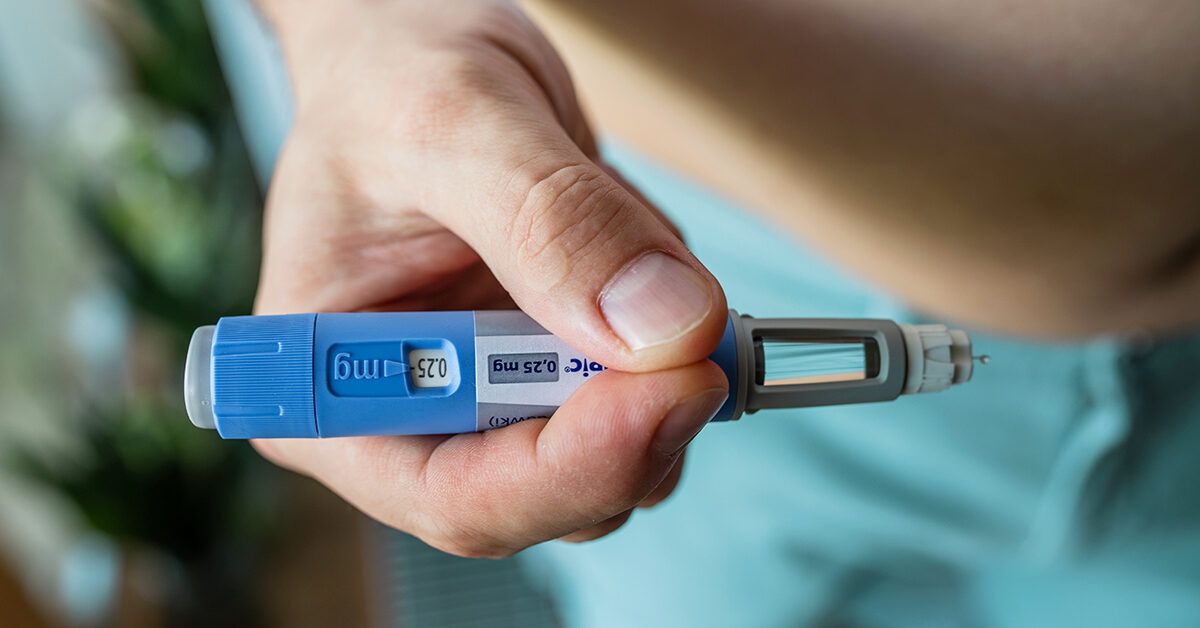
Gastrointestinal tolerance is often a matter of slow titration. Doctors usually start patients on a very low dose—3mg for Rybelsus or 0.25mg for Ozempic—specifically to minimize these issues while the body adjusts. It is also important to note that all semaglutide products carry a Black Box Warning regarding the potential risk of thyroid C-cell tumors, a factor that should be discussed with a healthcare provider regarding personal or family medical history.
Switching and Clinical Strategy
Deciding to start or transition between these medications involves looking at the broader picture of metabolic health. While Rybelsus is excellent for blood sugar, Ozempic offers broader FDA-approved indications. For example, Ozempic is specifically indicated to reduce cardiovascular risk and slow the progression of chronic kidney disease in adults with type 2 diabetes. If a patient has existing heart or kidney concerns, the injectable version might be the preferred clinical choice.
Switching from Ozempic injection to Rybelsus tablets is possible and often happens when a patient develops "injection fatigue" or travels frequently and prefers not to carry refrigerated pens. Conversely, a patient might move from the pill to the injection if their A1C is not reaching the target on the maximum oral dose.
Cost is also a factor. Both medications are premium, brand-name drugs with list prices often exceeding $1,000 per month without insurance. Fortunately, many insurance plans cover at least one of the formats, and manufacturer savings cards are frequently available.
The strategic choice should always be made in consultation with a doctor who can weigh HbA1c reduction needs against lifestyle preferences and cardiovascular risk reduction goals. Whether you choose the daily discipline of the pill or the weekly convenience of the shot, both represent a significant advancement in the management of type 2 diabetes.
FAQ
Is Rybelsus the same as Ozempic?
They contain the same active ingredient, semaglutide, and work in the same way to lower blood sugar and slow digestion. However, they are delivered differently—Rybelsus is an oral tablet taken daily, while Ozempic is an injection taken once a week. They also have different FDA-approved indications for heart and kidney protection.
Which is better for lowering A1C, Rybelsus or Ozempic?
Clinical trials generally show that Ozempic is more effective at lowering HbA1c. The injectable format typically results in an A1C reduction of 1.5% to 1.8%, whereas the highest dose of Rybelsus usually results in a 1.0% to 1.4% reduction. The injection's higher bioavailability usually translates to stronger glycemic control.
Can you switch from Ozempic to Rybelsus?
Yes, patients can switch between the two forms of semaglutide under medical supervision. This is often done due to lifestyle changes, needle phobia, or insurance coverage issues. Your doctor will determine the equivalent dose—for instance, moving from a 0.5mg Ozempic dose to a 14mg Rybelsus dose—to ensure your blood sugar remains stable during the transition.
Why would someone choose Rybelsus over Ozempic?
The most common reason for choosing Rybelsus is a preference for oral medication over injections. It is also a more portable option for people who travel often, as the tablets do not require refrigeration. Additionally, some patients find the daily dosing of the pill easier to remember than a once-weekly schedule.
How do the dosages of Rybelsus and Ozempic compare?
Because of how the body absorbs oral medication, Rybelsus doses are much higher. A 7mg or 14mg daily dose of Rybelsus is roughly equivalent in efficacy to a 0.5mg weekly injection of Ozempic. The starting doses are 3mg for Rybelsus and 0.25mg for Ozempic, both of which are intended to help the body acclimate to the drug rather than provide full therapeutic benefits.