Quick Facts
- LDL Reduction: Clinical trials demonstrate a 10-15% reduction in bad cholesterol.
- Antioxidant Rank: Ranked as the #1 tree nut for antioxidant capacity by the USDA.
- Standard Dose: A daily intake of 30-50 grams (roughly 1 to 1.5 ounces) is recommended for clinical benefits.
- Primary Fats: Composed of over 70% monounsaturated and polyunsaturated fats.
- Fiber: Provides approximately 3 grams of dietary fiber per one-ounce serving.
- Key Nutrients: High concentrations of Manganese, Copper, and Vitamin E (specifically gamma-tocopherols).
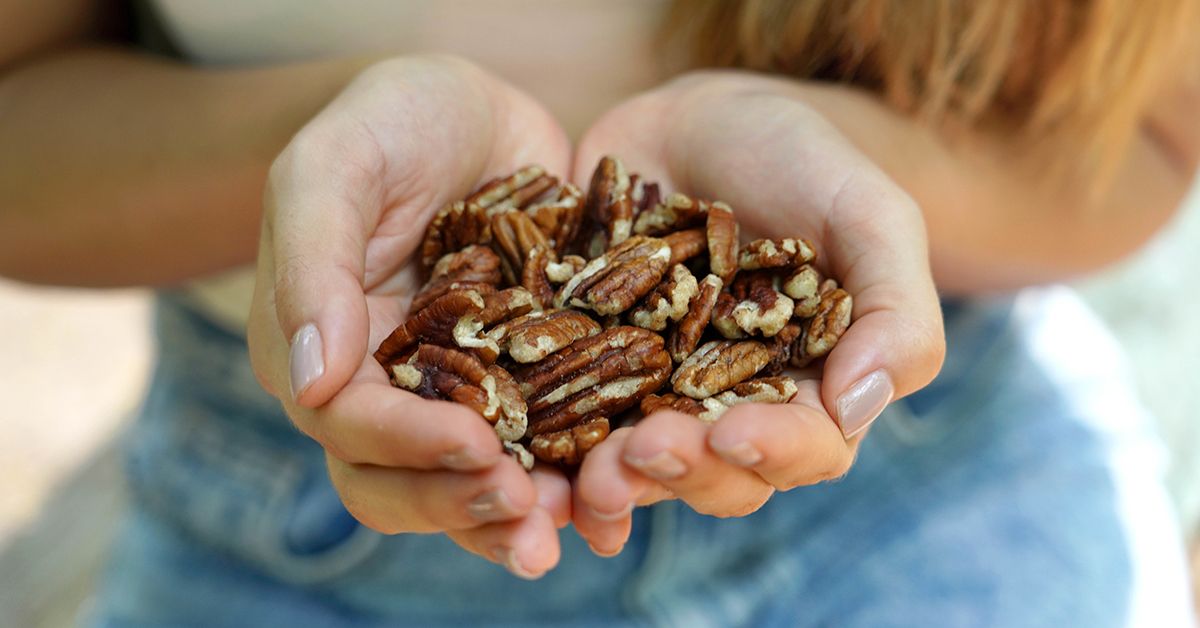
Pecan health benefits extend far beyond their rich flavor. Recent 2025 clinical research highlights how the unique nutritional value of pecans supports cardiometabolic health and provides superior antioxidant properties compared to other tree nuts. Regular consumption is scientifically linked to improved lipid profiles and significant protection against oxidative stress.
The Nutrient Profile: Understanding Carya Illinoinensis
The pecan, known botanically as Carya illinoinensis, is more than just a staple for seasonal pies; it is a complex biological package of micronutrients. While many consumers view nuts primarily as a source of healthy fats, the nutritional value of pecans reveals a dense concentration of essential minerals that drive metabolic efficiency.
One of the most standout components in the pecan profile is manganese. A single ounce provides over 60% of the daily recommended intake. Manganese serves as a critical cofactor for several enzymes, including superoxide dismutase, which protects mitochondria from oxidative damage. Furthermore, the presence of copper supports iron absorption and the formation of red blood cells, making pecans a foundational food for maintaining cellular energy.
We must also consider the pecan fiber content and its role in digestive health. Unlike refined snacks, pecans contain a matrix of insoluble and soluble fiber. This structural composition slows the transit of food through the digestive tract, allowing for a more gradual absorption of nutrients. For individuals focusing on gut health, this fiber acts as a prebiotic, feeding the beneficial bacteria that produce short-chain fatty acids, which are essential for maintaining the integrity of the colonic lining.
While pecans are calorically dense, at approximately 200 calories per ounce, their nutrient density justifies their inclusion in a balanced diet. The calories are derived from high-quality plant-based protein and fats rather than empty sugars, ensuring that every gram consumed contributes to physiological function.
Heart Health & Lipid Modulation: The 20-Year Review
The cardiovascular advantages of pecans are perhaps their most well-documented trait. A scientific review of 52 human clinical trials published in the journal Nutrients found that regular pecan consumption consistently improves cardiovascular health markers by lowering total cholesterol, triglycerides, and 'bad' LDL cholesterol.
This improvement in the lipid profile occurs through several mechanisms. First, pecans are rich in monounsaturated fats, specifically oleic acid. These fats help maintain the fluidity of cell membranes and improve the way the liver processes cholesterol. Second, pecans contain plant sterols, or phytosterols, which structurally resemble cholesterol. When you eat pecans, these sterols compete with cholesterol for absorption in the small intestine, effectively "blocking" some of the cholesterol from entering the bloodstream.
Furthermore, the specific form of Vitamin E found in pecans—gamma-tocopherol—plays a vital role in cardiometabolic health. While most supplements focus on alpha-tocopherol, research indicates that gamma-tocopherol is more effective at inhibiting the oxidation of LDL cholesterol. This is a critical distinction because oxidized LDL is a primary driver of arterial plaque formation. By preventing this oxidation, pecans help protect the lining of the blood vessels and reduce the risk of atherosclerosis.
For those looking for practical application, pecan consumption tips for improving ldl cholesterol levels usually involve consistency. Replacing a high-carbohydrate snack with a portion of raw pecans can shift the fatty acid balance of your diet toward heart protection without requiring drastic lifestyle overhauls.
Pecans vs. Walnuts: An Antioxidant Showdown
When discussing pecan antioxidant properties, it is helpful to compare them to other high-performing nuts like walnuts. While walnuts are famous for their omega-3 content, pecans often lead the pack in total phenolic content. According to research from the U.S. Department of Agriculture, pecans rank as the most antioxidant-rich tree nut, possessing an Oxygen Radical Absorbance Capacity (ORAC) of 17,940 units per 100 grams.
The following table highlights the nuanced differences between the two:
| Feature | Pecans | Walnuts |
|---|---|---|
| Primary Fat Type | Monounsaturated | Polyunsaturated (Omega-3) |
| ORAC Value (Antioxidant) | 17,940 units/100g | 13,542 units/100g |
| Predominant Vitamin E | Gamma-tocopherol | Gamma-tocopherol |
| Key Phytonutrient | Ellagic Acid | Alpha-linolenic Acid |
| Manganese Content | Very High | High |
When analyzing pecan nutritional value vs walnuts for antioxidants, the pecan stands out due to its concentration of flavonoids and proanthocyanidins. Specifically, the benefits of pecan polyphenols for anti-inflammatory support are significant. These compounds, including ellagic acid, help neutralize free radicals that contribute to chronic inflammation. By consuming pecans, you are providing your body with a diverse array of phytonutrients that work synergistically to reduce oxidative stress across different organ systems.
Weight Management, Satiety, and Blood Sugar
A common misconception is that the high fat content of nuts leads to weight gain. However, clinical evidence suggests the opposite. The combination of dietary fiber, protein, and monounsaturated fats in pecans promotes a high level of satiety. This means that eating a small serving of pecans can make you feel full for longer, potentially reducing the overall caloric intake throughout the rest of the day.
The impact on blood sugar control is equally impressive. Pecans have a very low glycemic index, meaning they do not cause a rapid spike in blood glucose levels. For individuals managing their insulin sensitivity, pecans for blood sugar control in healthy diets offer a safe and nutrient-rich snack option. The fats and fiber slow down the digestion of any accompanying carbohydrates, leading to a more stable glycemic response after meals.
Manganese also plays a role here, as it is involved in the synthesis and secretion of insulin. By maintaining adequate manganese levels through foods like pecans, the body can better regulate its internal glucose metabolism. This makes pecans an excellent dietary addition for those concerned with metabolic syndrome or type 2 diabetes.
Clinical Dosage and Safety Guidelines
To maximize the pecan health benefits described above, dosage and storage are key factors. Most clinical studies that show significant improvements in heart health markers utilize a daily serving of 30 to 50 grams. If you are wondering how many pecans to eat daily for heart health, this equates to roughly 15 to 20 halves.
However, there are a few clinical considerations to keep in mind:
- Oxalate Content: Pecans contain oxalates, which can contribute to the formation of kidney stones in susceptible individuals. If you have a history of calcium-oxalate stones, you should monitor your total intake of high-oxalate foods.
- Drug Interactions: Because pecans are extremely high in Vitamin E, individuals taking blood-thinning medications like Warfarin should consult their healthcare provider. Extremely high intakes of Vitamin E can theoretically enhance the effects of anticoagulants.
- Storage: The very fats that make pecans healthy—the monounsaturated and polyunsaturated oils—are delicate. They can become rancid if exposed to heat, light, or air for extended periods. To preserve the pecan antioxidant properties, store them in an airtight container in the refrigerator or freezer.
While roasted pecans are delicious, raw pecans may better preserve certain heat-sensitive antioxidants and delicate fats. If you prefer them roasted, consider roasting them at lower temperatures for shorter durations to minimize the degradation of these bioactive compounds.
FAQ
Are pecans healthy to eat every day?
Yes, eating pecans daily is considered safe and highly beneficial for most people. Their rich profile of monounsaturated fats and minerals supports long-term heart and metabolic health. As long as you stay within the recommended serving size of 1 to 1.5 ounces, they fit perfectly into a daily heart-healthy diet.
Do pecans lower cholesterol?
Extensive research indicates that pecans can effectively lower cholesterol. The phytosterols and monounsaturated fats in pecans work together to reduce total cholesterol and specifically target LDL, or bad cholesterol, often resulting in a 10% to 15% reduction in clinical trials.
Are pecans better for you than walnuts?
Neither nut is objectively better, as they offer different primary benefits. Walnuts are superior for omega-3 fatty acids, while pecans hold the top spot for overall antioxidant capacity and manganese content. For the best nutritional coverage, many dietitians recommend including a variety of nuts in your diet.
Do pecans help with weight loss?
Despite being calorie-dense, pecans can assist with weight management. The protein, fiber, and healthy fats increase satiety, which helps prevent overeating later in the day. Studies show that nut eaters often have a lower body mass index compared to those who do not consume nuts.
How many pecans is a healthy serving size?
A healthy serving size is approximately 1 ounce, which is about 15 to 19 pecan halves. This portion provides a significant dose of minerals and antioxidants while keeping the caloric intake around 200 calories, making it an ideal snack size for most adults.