Quick Facts
- Success Rate: More than 96% of patients continue their treatment long-term despite experiencing initial gastrointestinal issues.
- Nausea Timeline: Symptoms often peak within the first 24 to 48 hours after an injection but typically drop to less than 2% after 8 months of consistent use.
- Major Trigger: Consuming high-fat meals where fat accounts for 30% or more of total calories.
- Protein Goal: Aim for at least 100g of protein daily to prevent muscle loss and support metabolic health.
- Hydration: Maintain a daily intake of 64 to 100 oz of water or electrolyte-balanced fluids to support kidney function and digestion.
To minimize side effects on a semaglutide diet, avoid high-fat, fried, and greasy foods, which digest slowly and can cause nausea or vomiting. Limit refined sugars, spicy ingredients, and highly acidic foods like citrus or tomato sauce, as these often trigger acid reflux and gastrointestinal distress during treatment. Managing semaglutide side effects involves eating smaller, frequent meals rather than large portions to accommodate delayed digestion. Opt for bland, easy-to-digest foods like crackers, rice, and lean protein. Staying hydrated with water or electrolyte-balanced fluids and avoiding lying down immediately after eating can also reduce bloating and nausea.
Why Your Diet Matters on Semaglutide
When you begin a semaglutide diet for diabetes management or weight loss, you are essentially changing the way your body communicates with your gut and brain. As a GLP-1 receptor agonist, semaglutide mimics a natural hormone that signals your brain to feel full while also slowing down the rate at which food leaves your stomach. This biological mechanism, known as delayed gastric emptying, is the primary reason why food choices become so critical. If your stomach takes longer to process what you eat, certain foods can sit in your digestive tract for extended periods, leading to gastrointestinal distress.
The success of your treatment depends heavily on how well you manage your blood glucose stability and digestive comfort. Because the medication enhances insulin secretion and slows digestion, eating the wrong types of food can create a "traffic jam" in your gut. This often results in feelings of extreme fullness, bloating, or even vomiting. By adjusting your eating habits to work with the medication rather than against it, you can maintain the nutrient density required for health without the uncomfortable trade-offs.
Clinical evidence highlights the importance of these adjustments. In clinical trials of semaglutide for type 2 diabetes, nausea was reported in 15.8% of patients taking a 0.5 mg dose and 20.3% of those taking a 1 mg dose. While these numbers might seem high, understanding the dietary triggers can significantly lower your personal risk. By focusing on how food interacts with your modified digestive speed, you can navigate the titration process with much greater ease.
Top Foods to Avoid with Semaglutide
Navigating a list of foods to avoid with semaglutide is less about restriction and more about digestive efficiency. When your stomach is processing food at a slower pace, heavy or complex items become much harder to handle.
Fried and High-Fat Foods
Fried foods are perhaps the most significant trigger for discomfort. Because fat is already the slowest macronutrient to digest, combining it with a medication that further delays the process can cause food to remain in the stomach for six hours or more. This often leads to severe nausea or "sulfur burps," which occur when undigested protein and fat begin to ferment. Medical experts recommend limiting fat intake to 30% or less of total calories per meal to mitigate gastrointestinal side effects such as nausea and diarrhea caused by the medication's effect on gastric emptying.
Refined Carbohydrates and Added Sugars
While semaglutide helps manage blood sugar, consuming high amounts of refined carbohydrates can still cause fluctuations that trigger nausea. White bread, pastries, and sugary sodas digest quickly in the early stages but can lead to a "heavy" feeling in the lower gut. Furthermore, sugar alcohols like sorbitol or erythritol, often found in "sugar-free" snacks, can exacerbate how to manage semaglutide bloating with diet, as they draw water into the intestines and cause gas.
Highly Acidic and Spicy Ingredients
Acid reflux is a common complaint for those on a GLP-1 receptor agonist. Spicy peppers, citrus fruits, and heavy tomato sauces can irritate the lining of the esophagus, especially since food stays in the stomach longer. If you find yourself experiencing heartburn, it is best to pivot toward a bland food diet until your body acclimates to the medication.
| Food Category | Better Choice (Eat This) | Trigger Food (Avoid That) |
|---|---|---|
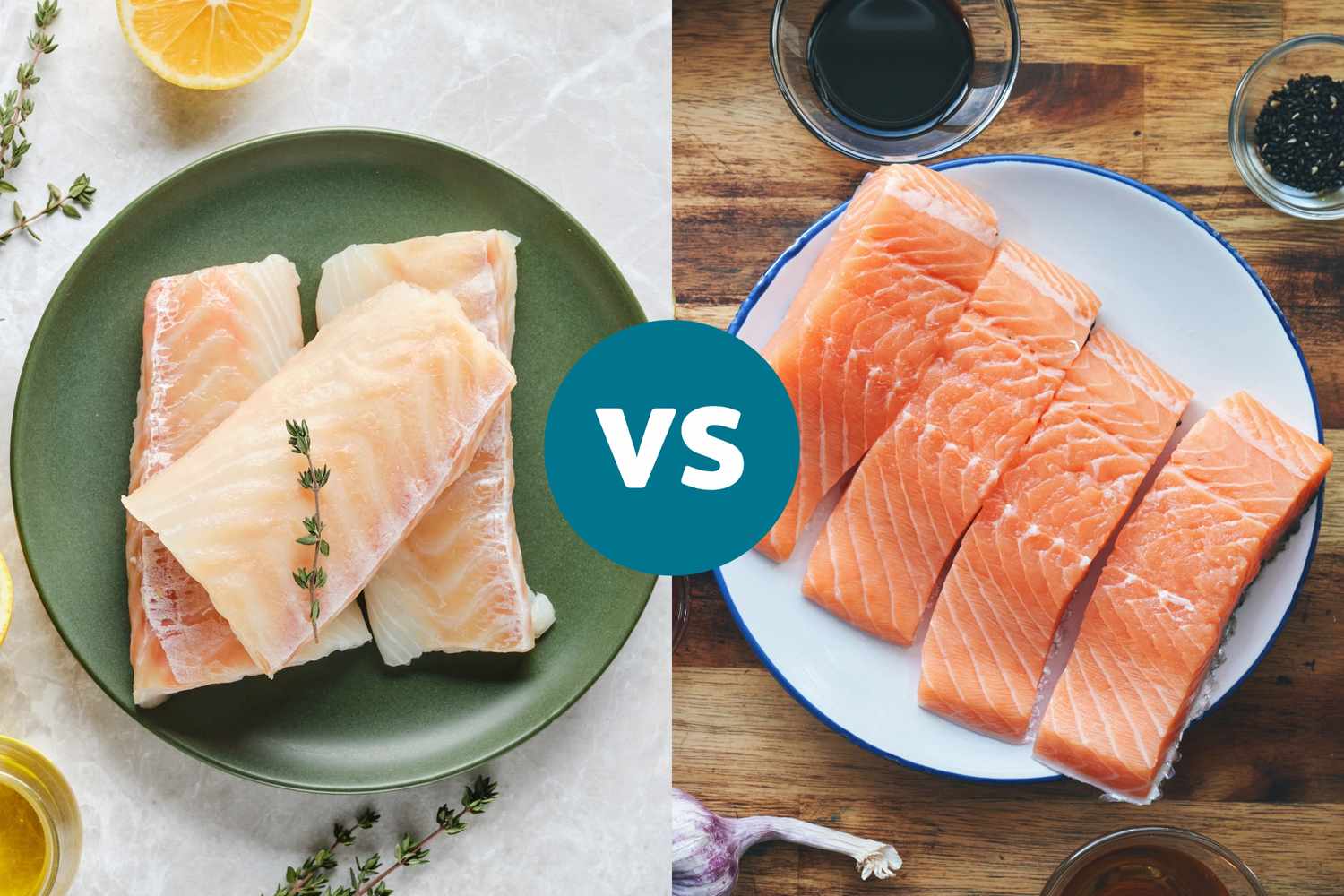
| Proteins | Grilled chicken, white fish, tofu | Fried chicken, fatty steak, sausage |
| Grains | Quinoa, brown rice, oats | White bread, sugary cereals, pastries |
| Vegetables | Steamed spinach, zucchini, carrots | Large portions of raw broccoli or kale |
| Dairy | Low-fat Greek yogurt, cottage cheese | Whole milk, heavy cream, aged cheese |
| Beverages | Water, ginger tea, electrolytes | Sugary sodas, excessive alcohol |
Symptom-Specific Management Strategies
Even with the best intentions, you may still encounter occasional discomfort. Having a semaglutide side effect management diet in place allows you to react quickly and stay on track with your health goals.
Best Foods for Semaglutide Nausea Relief
Nausea is often the first hurdle patients face. When it strikes, focus on the bland food diet approach. Small amounts of dry crackers, plain white rice, or ginger-infused water can help settle the stomach. Ginger is a natural prokinetic that helps encourage subtle movement in the digestive tract without causing irritation. Another key strategy is to avoid lying down for at least two hours after eating, which allows gravity to assist with the delayed gastric emptying process.
Avoiding Dehydration and Diarrhea on Semaglutide
Diarrhea can sometimes occur as the body adjusts to the medication or if a meal was too high in fat. The primary risk here is dehydration. It is essential to sip on water or electrolyte-balanced fluids throughout the day rather than drinking large amounts at once, which can make you feel overly full. Aim for a consistent hydration status to help your kidneys process the medication efficiently.
High Protein Low Fat Snacks for Semaglutide
Muscle loss is a concern when caloric intake drops significantly. To prevent this, prioritize high protein low fat snacks for semaglutide users. Options like hard-boiled eggs, low-fat string cheese, or a lean turkey roll-up provide the necessary amino acids without the heavy fat content that triggers nausea. Front-loading your protein—meaning you eat your protein source first at every meal—ensures you get the most important nutrients before your satiety cues kick in and tell you to stop eating.
Pro Tip: Injection Timing Many users find that taking their injection in the evening, shortly before bed, allows them to sleep through the peak window of initial nausea. Additionally, injecting into the thigh rather than the abdomen may reduce gastrointestinal sensitivity for some individuals.
Meal Planning and Portion Control
Adapting to a semaglutide diet requires a shift in how you view portion sizes. Because your brain receives satiety signals much earlier than before, the traditional "three square meals a day" may no longer work.
Creating low glycemic meals for semaglutide users involves focusing on fiber-rich vegetables in moderation and complex carbohydrates that provide steady energy. However, be cautious with high-fiber foods like raw broccoli or cauliflower initially, as they can contribute to gas and bloating when digestion is slow. Cooking your vegetables thoroughly can make them much easier to process.
A practical portion size guide for semaglutide users suggests using a smaller salad plate for your meals. Chew your food thoroughly—almost to a puree consistency—to assist your stomach in the breakdown process. If you feel even slightly full, stop eating. Overriding your satiety cues is a guaranteed way to experience discomfort later. Focus on nutrient density in every bite, ensuring that every small meal contributes to your overall health.
Remember that clinical data shows that only 3% to 4% of patients discontinue semaglutide treatment due to gastrointestinal adverse reactions. This means that for the vast majority, these side effects are manageable and temporary. Most people find that their symptoms significantly improve as they move through the titration cycles and their body becomes accustomed to the hormone levels.
FAQ
What foods should you avoid while taking semaglutide?
You should primarily avoid high-fat, fried, and greasy foods because they significantly delay digestion and are the leading cause of nausea. It is also wise to limit refined sugars, spicy ingredients, and highly acidic foods like citrus or tomato-based sauces, as these can trigger acid reflux and general gastrointestinal distress.
What is the best diet to follow while on semaglutide?
The most effective approach is a nutrient-dense, low-glycemic diet that focuses on lean proteins, cooked vegetables, and complex carbohydrates. Eating smaller, more frequent meals rather than large portions helps accommodate the slower digestion process. Prioritizing protein and staying hydrated with electrolyte-balanced fluids are also essential components.
Can I drink alcohol while taking semaglutide?
While modest alcohol consumption may be tolerated by some, it is generally recommended to limit it. Alcohol can irritate the stomach lining and contribute to nausea. Furthermore, it can impact blood glucose stability and may increase the risk of hypoglycemia in some diabetic patients, so it is best to consult with your healthcare provider.
Do I need to eat more protein while on semaglutide?
Yes, prioritizing protein is vital. Because semaglutide often leads to a significant reduction in calorie intake, there is a risk of losing muscle mass along with fat. Aiming for at least 100g of protein daily through lean sources helps maintain muscle and supports a healthy metabolism during your weight loss or diabetes management journey.
Is a low-carb diet necessary with semaglutide?
A strict low-carb diet is not strictly necessary, but focusing on the quality of carbohydrates is important. Choosing low glycemic meals for semaglutide users—such as those featuring whole grains instead of refined white flour—helps maintain stable blood sugar levels and prevents the digestive heaviness that often accompanies sugary or highly processed foods.