Quick Facts
- Timeline: Expect 8–12 weeks of consistent dietary changes to see visible cellular turnover and skin improvements.
- Primary Triggers: High-glycemic index carbohydrates and skim milk are frequently linked to inflammatory skin spikes.
- Core Healers: Omega-3 fatty acids, Zinc, and Vitamin C serve as the primary micronutrients for structural repair and barrier strength.
- Collagen Dosage: For measurable results in skin elasticity, clinical standards suggest 2.5–10g of collagen peptides daily.
- Hydration Goal: Maintain a minimum intake of 8 cups of water daily to support nutrient transport and cellular plumpness.
- Focus: A skin health diet for clear skin prioritizes low-glycemic foods and anti-inflammatory nutrients to manage sebum regulation and prevent acne.
A skin health diet focuses on nutrient-dense foods that lower inflammation and support cellular repair. By prioritizing low-glycemic choices and antioxidants, you can manage sebum regulation and strengthen your skin barrier.
The Science of Spikes: Identifying Foods That Cause Skin Problems
When we talk about nutrition and dermatology, we must look beyond the surface and into the bloodstream. One of the most significant biological drivers of skin distress is the relationship between insulin and insulin-like growth factor 1 (IGF-1). When you consume high-glycemic index foods—those that cause your blood sugar to spike rapidly—your body releases insulin. This hormonal surge stimulates the production of androgens and increases sebum regulation activity, which often leads to clogged pores and inflammatory breakouts.
According to a meta-analysis of clinical research, high-glycemic-load diets and dairy consumption are consistently associated with increased acne severity, while low-glycemic dietary patterns are linked to fewer inflammatory lesions. Specifically, skim milk has been identified as a more significant trigger than whole milk, likely due to the processing methods that affect hormonal bioavailability.
Internally, this means that a list of foods that cause skin problems and inflammation often starts with white bread, sugary snacks, and processed cereals. These items weaken the skin barrier function by promoting glycation—a process where sugar molecules attach to proteins like collagen and elastin, making them brittle and prone to sagging. Reducing these inflammatory triggers is the first step toward reclaiming a clear complexion.
Essential Nutrition for Skin Repair: Vitamins and Minerals
If the skin is a building, vitamins and minerals are the bricks and mortar. To understand the best nutrition for clear skin, we must look at how specific micronutrients act as cofactors for biological processes. For instance, Vitamin C is not just an immune booster; it is the essential "scaffolding" tool for collagen synthesis. Without adequate Vitamin C, your body cannot effectively link amino acids together to form the structural proteins that keep skin firm.
Zinc plays a similarly critical role. Think of Zinc as the project manager for cellular healing. It is vital for DNA synthesis and cell division. When the skin is damaged by UV rays or acne, Zinc helps regulate the inflammatory response and speeds up the wound-healing process. Meanwhile, Vitamin E acts as an internal shield, providing antioxidant protection against oxidative stress caused by environmental pollutants.
Beyond these well-known players, secondary nutrients like beta-carotene and lycopene provide a form of internal SPF. These carotenoids accumulate in the skin, helping to neutralize free radicals generated by sun exposure. A prospective study of adults found that frequent consumption of antioxidant-rich foods, including fruits, vegetables, and oily fish, is associated with a significant reduction in skin photodamage. Focusing on these vitamins for skin repair ensures your body has the raw materials needed for constant regeneration.
The Gut-Skin Axis: Probiotics for Clear Complexion
The relationship between your digestive tract and your face is known as the gut-skin axis. This biological highway suggests that systemic inflammation often begins in the microbiome. When the balance of bacteria in your gut is disrupted—a condition known as dysbiosis—it can lead to increased intestinal permeability, or "leaky gut." This allows inflammatory markers to enter the bloodstream, eventually manifesting as redness, sensitivity, or acne on the skin.
Adopting dietary habits for clear skin and acne prevention involves supporting these beneficial bacteria. Fermented foods such as kimchi, kefir, and sauerkraut provide natural probiotics that help maintain a healthy microbial balance. Furthermore, bovine colostrum is gaining attention as a barrier strengthener, potentially reducing the systemic inflammation that leads to skin flares.
By nurturing the gut with fiber-rich polyphenols and fermented nutrients, you reduce the inflammatory load on the entire body. This holistic approach ensures that your skin health diet isn't just about what you put on your face, but how you manage the internal environment that feeds your skin cells.
Collagen and Hydration: Advanced Nutrition for Elasticity
As we age, the natural production of collagen and hyaluronic acid slows down. By 2026, the clinical standard for anti aging nutrition for skin elasticity has shifted toward specific, measurable dosages. A meta-analysis of 61 clinical studies demonstrated that dietary supplementation with collagen, lipids, and fatty acids significantly reduces wrinkle depth and improves skin hydration. To see these results, look for 2.5–10g of hydrolyzed collagen peptides daily, which are broken down into small enough chains to be absorbed effectively.
Hydration is equally a matter of dietary intake. While drinking water is essential, your cells must be able to hold onto that moisture. This is where omega-3 fatty acids come in. Found in fatty fish, walnuts, and flaxseeds, omega-3s are the "sealant" for your skin barrier. They help build the lipid layer that prevents transepidermal water loss.
For those looking for foods to naturally improve skin hydration, oral hyaluronic acid is another evidence-based option. Dosages between 120-240mg daily have been shown to increase the moisture content of the dermis from the inside out. Combined with the best vitamins and minerals for skin repair, these advanced nutrients ensure long-term elasticity and a plump, radiant appearance.
Practical Meal Plan for a Skin Health Diet
Transitioning to a skin-focused eating pattern doesn't have to be complicated. The goal is to create a practical meal plan for a skin health diet that balances low-glycemic proteins with high-antioxidant produce.

Here is a sample daily routine designed to maximize your intake of skin-healing nutrients:
| Meal | Recommended Choice | Key Skin Benefits |
|---|---|---|
| Breakfast | Chia seed pudding with blueberries and walnuts | High in omega-3s and antioxidants to combat morning oxidative stress. |
| Mid-Morning | Green tea (iced or hot) | Rich in polyphenols that support sebum regulation. |
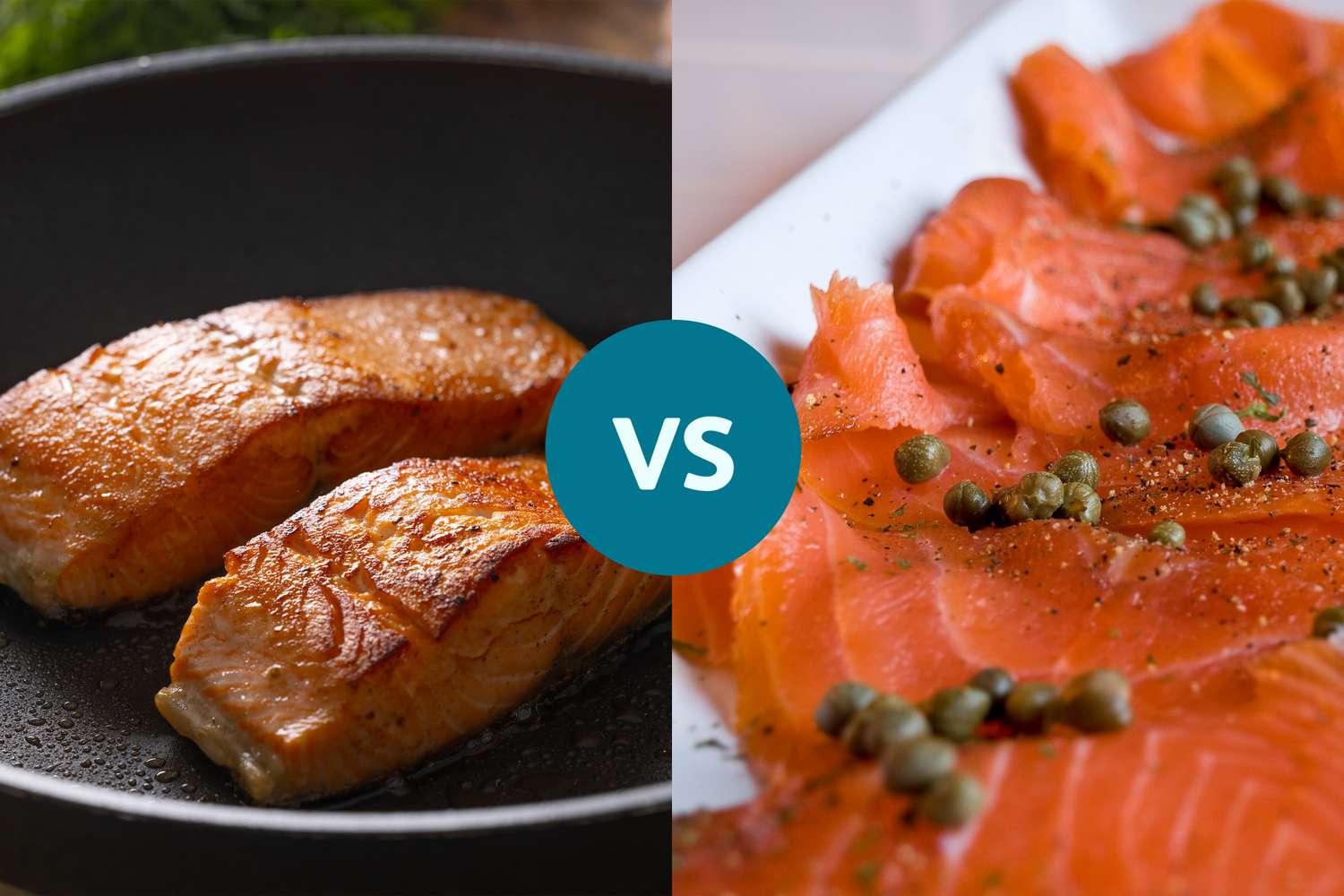
| Lunch | Spinach salad with grilled salmon and avocado | Provides Zinc, Vitamin E, and healthy lipids for barrier repair. |
| Afternoon Snack | Sliced bell peppers with hummus | Vitamin C boost for collagen production and fiber for gut health. |
| Dinner | Lean turkey or tofu stir-fry with broccoli and bok choy | High in amino acids and minerals essential for overnight cellular repair. |
When starting this journey, remember that skin cells take about a month to regenerate. This means you likely won't see a dramatic shift in your complexion for the first four weeks. By week eight or twelve, however, the cumulative effect of reduced inflammation and increased nutrient availability becomes clearly visible in the mirror.
FAQ
How does diet affect your skin quality?
Your diet provides the building blocks for skin cells and regulates the hormones that control oil production and inflammation. High-sugar diets can damage collagen through glycation, while nutrient-dense diets provide the antioxidants and fatty acids needed to maintain a strong, hydrated skin barrier.
Which vitamins are most important for skin health?
Vitamin C is essential for collagen synthesis, Vitamin E protects against environmental damage, and Vitamin A (beta-carotene) supports cellular turnover. Additionally, Vitamin D helps with skin cell metabolism and immune function, making a broad spectrum of vitamins necessary for a healthy complexion.
Can certain foods cause acne breakouts?
Yes, clinical evidence suggests that foods with a high glycemic index, such as white bread and sugary drinks, can spike insulin and increase oil production. Skim milk has also been linked to increased acne severity in several studies, likely due to its influence on growth hormones.
What foods should I avoid for better skin?
To improve skin clarity, it is best to limit highly processed snacks, sugary desserts, white flour products, and excessive amounts of dairy. These foods can trigger systemic inflammation and hormonal imbalances that often manifest as skin irritation or breakouts.
How long does it take for diet changes to show on skin?
Most people begin to see changes within 8 to 12 weeks. This timeline aligns with the natural cycle of skin cell regeneration and allows enough time for systemic inflammation to subside and for nutrient levels to stabilize within the dermal layers.
Consistency is the most powerful tool in your nutritional toolkit. While a single meal won't fix a breakout, a committed skin health diet provides the long-term foundation for radiant, resilient skin. Stick to these evidence-first principles for 90 days, and your complexion will reflect the internal work you’ve put in.