Quick Facts
- A1C Impact: Engaging in Medical Nutrition Therapy with a specialist can lead to a reduction in A1C levels ranging from 0.3% to 2.0% for those managing their condition.
- Plate Ratio: The Diabetes Plate Method suggests using a 9-inch plate filled with 50% non-starchy vegetables, 25% lean protein, and 25% carbohydrate foods.
- Fiber Goal: Consuming 35 grams of fiber daily may reduce the risk of premature mortality by 10% to 48% for individuals with diabetes.
- Intervals: Maintain consistent meal timing for type 2 diabetes by eating every 4 to 5 hours to prevent glucose fluctuations.
- Carb Targets: Most effective meal plans aim for 20 to 45 grams of carbohydrates per meal to support stable blood sugar levels.
- Simple Approach: Focus on nutrient density and visual portion control rather than restrictive dieting or obsessive calorie counting.
To start a diabetic meal plan, use the plate method for simple portion control. Fill half of your plate with non-starchy vegetables like leafy greens or broccoli, reserve one quarter for lean protein sources such as chicken or fish, and the final quarter for complex carbohydrates like quinoa or steel-cut oats. This visual approach helps manage blood sugar with diet and maintain glucose levels without the need for meticulous calorie counting.
The Foundation of Blood Sugar Management
Creating a sustainable diabetic meal plan is not about deprivation; it is about finding a balance that supports your body’s unique needs. For many, the transition to a specialized diet feels overwhelming, but the primary goal is quite straightforward: stabilizing glucose levels while enhancing insulin sensitivity. By focusing on nutrient density, you can enjoy a wide variety of foods that fuel your lifestyle without causing dangerous spikes or energy crashes.
Managing blood sugar effectively requires pairing carbohydrates with fiber, healthy fats, and protein. This combination slows the absorption of sugar into the bloodstream, preventing sharp post-meal spikes. For example, choose low-glycemic fruits like berries or apples and pair them with a protein source like Greek yogurt or almond butter to maintain more stable glucose levels throughout the day.
The modern approach to how to start a diabetic meal plan for beginners emphasizes flexibility. In 2026, we are seeing more people integrate real-time data from tools like Continuous Glucose Monitoring (CGM) to see exactly how specific foods affect them. However, even without high-tech tools, mastering the basics of portion distortion and macronutrient balance remains the most powerful way to improve your A1C levels and long-term health.
Expert Tip: Always prioritize whole, minimally processed foods. The closer a food is to its natural state, the more likely it is to contain the fiber and micronutrients necessary for glycemic control.
Step 1: Mastering the Diabetes Plate Method
The easiest way to implement diabetes food portion control is through the 9-inch plate strategy. This visual guide eliminates the need for scales or measuring cups at every meal, making it an ideal tool for busy lifestyles and dining out.
When you sit down for a meal, visualize your plate divided into three sections. The largest section, taking up half the plate, should be dedicated to non-starchy vegetables. These include spinach, kale, broccoli, cauliflower, peppers, and green beans. These foods are high in vitamins and soluble fiber but low in calories and carbohydrates, allowing you to eat larger volumes while staying within your targets.
The remaining half of the plate is divided equally. One quarter is reserved for lean protein sources. This could be grilled chicken breast, turkey, fish, eggs, or plant-based options like tofu and tempeh. Protein is essential for muscle maintenance and helps you feel full longer. The final quarter is for carbohydrate foods. Instead of refined white bread or sugary cereals, choose complex carbohydrates such as brown rice, sweet potato, lentils, or berries. These provide sustained energy and have a lower glycemic load.
Bottom Line: The plate method is a foolproof way to ensure you get the right balance of macronutrients. By filling 50% of your plate with greens, you naturally limit the space for higher-calorie, higher-carb options.
Step 2: Portable Portion Control with the Hand Method
While the plate method works wonders at home, you might find yourself in situations where a standard 9-inch plate isn't available. This is where the hand measurement guide becomes your most valuable tool for diabetes food portion control. Your hand is always with you and is proportionate to your body size, making it a personalized measuring device.
Use these simple mnemonics to guide your choices:
- Palm: A serving of lean protein, such as meat or poultry, should be about the size and thickness of your palm (roughly 3 ounces).
- Fist: A serving of non-starchy vegetables or a portion of fresh fruit should be about the size of your closed fist (roughly 1 cup).
- Cupped Hand: This represents a single serving of carbohydrate foods, such as cooked grains or beans (roughly 1/2 cup).
- Thumb: Use the tip of your thumb to measure out healthy fats, such as olive oil, butter, or nut butters (roughly 1 tablespoon).
Understanding the difference between a portion and a serving size is critical. A serving size is a standardized amount of food listed on nutrition facts labels, whereas a portion is the amount you actually choose to eat. By using your hand as a guide, you can avoid the common trap of overestimating how much carbohydrate or fat you need in a single sitting.
Bottom Line: Your hand is a reliable, portable tool for managing portions. It helps you maintain consistency in your diabetic meal plan even when you are traveling or dining at a restaurant.
Step 3: Choosing Healthy Foods for Diabetes
The quality of the food you choose is just as important as the quantity. Selecting low glycemic index foods for diabetes diet ensures that the energy from your meals is released slowly into your system. High-fiber choices, specifically those rich in soluble fiber, can significantly improve insulin sensitivity by delaying gastric emptying.
To help you navigate the grocery store, consider these "Safe Swaps" to improve your nutrient density:
| Instead of... | Choose... | Why it works |
|---|---|---|
| White Rice or Pasta | Quinoa, Barley, or Farro | Higher fiber content slows sugar absorption. |
| Sugary Sodas or Juice | Sparkling Water with Lime | Eliminates liquid sugars that cause rapid spikes. |
| Whole Milk or Cream | Unsweetened Almond or Soy Milk | Reduces saturated fat and unnecessary calories. |
| Fried Chicken or Fish | Grilled, Baked, or Steamed | Lowers inflammatory fat intake and total calories. |
| Sweetened Yogurt | Plain Greek Yogurt with Berries | Adds probiotics and protein without added sugar. |
When browsing the aisles, always check the nutrition facts labels for "Added Sugars." In 2026, labeling has become more transparent, but it is still easy to miss hidden sugars in condiments and dressings. Focus on heart-healthy fats found in avocados, nuts, and seeds, as these can help lower the overall glycemic load of your meal.
Bottom Line: Focus on "Safe Swaps" that prioritize whole grains and lean proteins. This simple shift in choosing healthy foods for diabetes can have a massive impact on your daily energy levels and A1C results.
Step 4: Consistency and Timing Strategies
Managing blood sugar is not just about what you eat, but also when you eat. Consistent meal timing for type 2 diabetes helps regulate your body’s internal clock and makes it easier for your medication or natural insulin to work effectively. Aim to eat at regular intervals, typically every four to five hours, to avoid extreme glucose fluctuations.
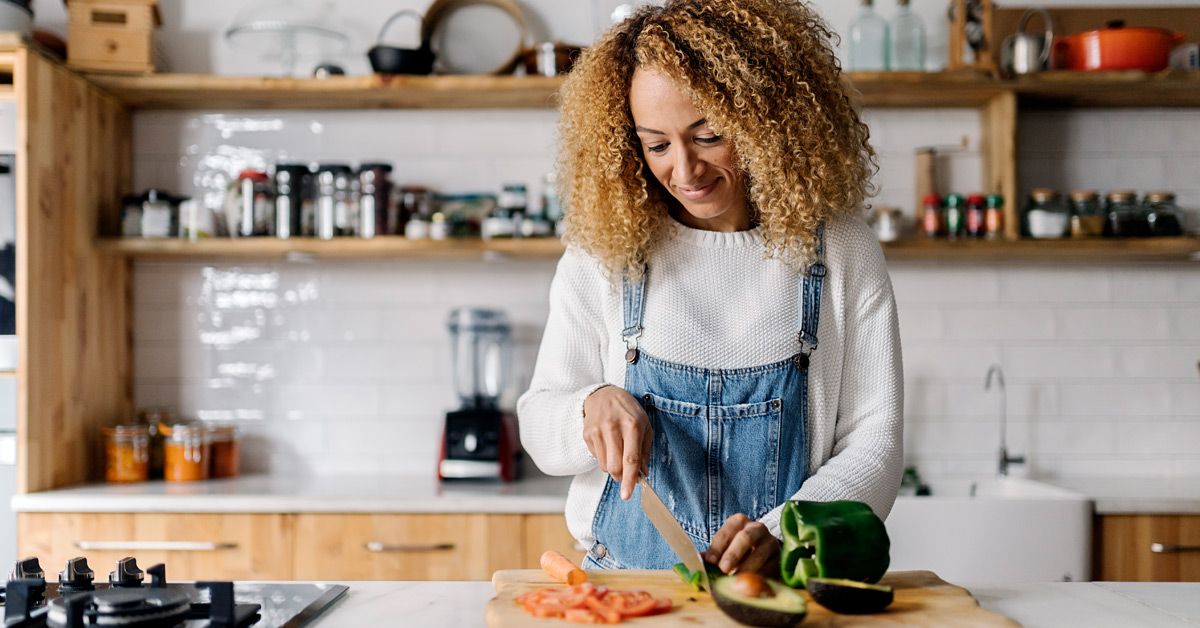
Skipping meals often leads to overeating later in the day, which can cause a massive spike in glucose. If you have a busy schedule, simple diabetic meal prep for the week is the best way to stay on track. Spend a few hours on Sunday batch cooking grains like quinoa, roasting a large tray of non-starchy vegetables, and grilling several portions of chicken or fish. Having these components ready to go makes assembling a healthy plate effortless during the workweek.
Don't forget the importance of healthy snacks for diabetic meal plans. Snacks should be treated as "mini-meals" that include a balance of protein and fiber. Examples include a hard-boiled egg with a few carrot sticks or a small handful of almonds with an apple. These small additions keep your metabolism steady and prevent the hunger that leads to poor food choices.
Bottom Line: Consistency is the secret ingredient to long-term success. Pairing regular meal timing with batch cooking ensures you are never caught without a healthy option when your blood sugar begins to dip.
A Sample 1-Day Diabetic Meal Plan
To give you an idea of how these principles come together, here is a balanced 1-day sample. This plan targets approximately 1,600 to 1,800 calories with a focus on maintaining moderate carbohydrate levels (20-45g per meal).
- Breakfast: Scrambled eggs with spinach and tomatoes, served with one slice of sprouted grain toast and half an avocado.
- Lunch: A large bowl of mixed leafy greens topped with grilled salmon, chickpeas (about 1/4 cup), cucumbers, and a lemon-tahini dressing.
- Afternoon Snack: A small container of plain Greek yogurt topped with a handful of blueberries and a sprinkle of chia seeds.
- Dinner: Zucchini noodles (zoodles) or a small portion of whole-wheat pasta tossed with lean ground turkey bolognese and plenty of roasted peppers and onions.
- Evening Snack (Optional): A few stalks of celery with one tablespoon of natural peanut butter.
This day of eating provides a high amount of soluble fiber and lean protein sources while keeping complex carbohydrates in a range that supports stable A1C levels.
FAQ
What are the best foods for a diabetic meal plan?
The best foods are those that provide high nutrient density with minimal impact on blood sugar. These include non-starchy vegetables (like broccoli and kale), lean proteins (such as fish, poultry, and beans), and healthy fats (like those found in avocados and nuts). Berries are often considered the best fruit choice due to their high fiber and low sugar content.
How many carbohydrates should a diabetic eat per meal?
While individual needs vary based on activity level and medication, many experts recommend aiming for 20 to 45 grams of carbohydrates per meal. It is essential to focus on the quality of these carbs, choosing complex carbohydrates that are high in fiber rather than simple sugars or refined grains.
How do I create a 7-day diabetic meal plan?
Start by choosing 3 or 4 protein sources and 5 or 6 different non-starchy vegetables for the week. Use the batch cooking method to prepare these in bulk. Rotate your carbohydrate sources—such as sweet potatoes one day and quinoa the next—to keep your meals interesting. Plan your healthy snacks for diabetic meal plans in advance to avoid impulsive eating.
What snacks are safe for diabetics to eat?
Safe snacks are those that combine protein and fiber to prevent glucose spikes. Good options include a small handful of raw nuts, Greek yogurt, a piece of string cheese with a few whole-grain crackers, or raw vegetables with hummus. Avoid "low-fat" snacks that often replace fat with added sugars.
What foods should be avoided on a diabetic diet?
You should limit or avoid highly processed foods, sugary beverages like soda and sweet tea, and refined grains like white bread and white rice. Foods high in trans fats and fried items should also be minimized, as they can negatively impact heart health and insulin sensitivity.
The journey to better health through a diabetic meal plan is a marathon, not a sprint. By utilizing the plate method, mastering your portion sizes, and focusing on whole-food swaps, you can take control of your blood sugar and live a vibrant, active life in 2026 and beyond. Always consult with a registered dietitian or your medical team to tailor these strategies to your specific health data and lifestyle needs.