Quick Facts
- Standard Carb Choice: 15 grams of carbohydrates per serving to maintain glycemic stability.
- HbA1c Impact: Consistent medical nutrition therapy is clinically proven to reduce glycated hemoglobin (HbA1c) levels by 0.3% to 2.0% in patients.
- The 5-10% Rule: Losing 5% to 10% of total body weight significantly enhances insulin sensitivity and general glycemic control.
- Sodium Limit: Keep daily intake to a maximum of 2,300 mg to protect cardiovascular health.
- The Yogurt Factor: A daily intake of 50g of yogurt is associated with a 7% reduction in type 2 diabetes risk.
- Remission Potential: Weight loss of up to 15% can support the potential remission of type 2 diabetes in many individuals.
A type 2 diabetes diet focuses on incorporating low glycemic index foods and nutrient-dense choices to stabilize blood sugar. By mastering diabetes meal planning, individuals can reduce HbA1c levels and increase their Time in Range (TIR), ultimately fostering better metabolic health and long-term wellness.
Mastering Glycemic Index (GI) and Glycemic Load (GL)
When we talk about managing blood sugar, we have to look at how different carbohydrates behave once they enter your system. Not all carbs are created equal. As a micronutrient editor, I often see people obsessing over total carb counts while ignoring the rate of absorption. To manage your type 2 diabetes diet effectively, you must understand the glycemic index for diabetes and its partner, glycemic load.
Think of the glycemic index (GI) as the "speed" at which a food raises your blood sugar. On a scale of 0 to 100, foods are ranked by how quickly they convert to glucose. Low GI foods (55 or less) are like a steady, slow-moving car; they provide sustained energy without the crash. High GI foods (70 or more) are like a race car, causing a rapid spike followed by a precipitous drop.
However, speed isn't the only factor. Glycemic load (GL) tells us the "distance" the car travels, accounting for the actual amount of carbohydrates in a typical serving. For example, watermelon has a high GI but a low GL because it is mostly water. Using glycemic load for diabetes meal planning gives you a more accurate picture of how a specific portion size will impact your fasting glucose and postprandial glucose.
| Food Item | Glycemic Index (GI) | Glycemic Load (GL) | Classification |
|---|---|---|---|
| Peanuts | 7 | 0 | Low GI / Low GL |
| Broccoli | 10 | 1 | Low GI / Low GL |
| Rolled Oats | 55 | 13 | Low GI / Medium GL |
| White Rice | 73 | 30 | High GI / High GL |
| White Bread | 75 | 9 | High GI / Low GL (small slice) |
By prioritizing low glycemic index foods for type 2 diabetes, you improve your Time in Range (TIR). This metric represents the percentage of time your blood sugar stays within your target window. Shifting your focus to TIR rather than just a single daily finger-prick test allows for more nuanced metabolic health management and can eventually lead to how to lower HbA1c through daily dietary changes.
17 Science-Backed Blood Sugar Lowering Foods
While no single food can cure diabetes, certain ingredients possess bioactive compounds that directly influence how your body handles insulin. Here are 17 blood sugar lowering foods backed by clinical evidence, many of which are essential for those learning how to lower HbA1c through daily dietary changes.
- Chia Seeds: These are a powerhouse of soluble fiber. Research shows that consuming 25g of ground chia seeds can help reduce post-meal blood sugar levels by up to 39%.
- Pumpkin Seeds: High in magnesium and healthy fats, 65g of pumpkin seeds can help reduce post-meal glucose by roughly 35%. Magnesium is a critical mineral for insulin sensitivity.
- Flaxseeds: Rich in lignans and fiber, flaxseeds help slow digestion. Incorporating 30g daily into your type 2 diabetes diet can improve insulin resistance over time.
- Broccoli and Sprouts: These contain sulforaphane, a compound that helps lower glucose production in the liver. Tip: Add a pinch of mustard seed to your cooked broccoli to reactivate the enzyme that triggers sulforaphane.
- Oats: Steel-cut or rolled oats contain beta-glucan, a specific type of soluble fiber that creates a thick gel in the gut, slowing down the absorption of glucose.
- Beans and Lentils: Legumes are excellent sources of soluble fiber and plant-based protein. They have a very low GI and provide a "second-meal effect," where the fiber from lunch helps stabilize blood sugar at dinner.
- Raspberries and Blackberries: These berries are packed with fiber and anthocyanins. Eating 250g of raspberries with a meal has been shown to reduce postprandial glucose levels in adults with insulin resistance.
- Citrus Fruits: The benefits of eating berries and citrus for blood sugar lie in their fiber content and polyphenols like naringenin, which can help improve insulin sensitivity.
- Avocados: Adding healthy fats like those found in avocados to a meal can significantly slow the digestion of accompanying carbohydrates, preventing glucose spikes.
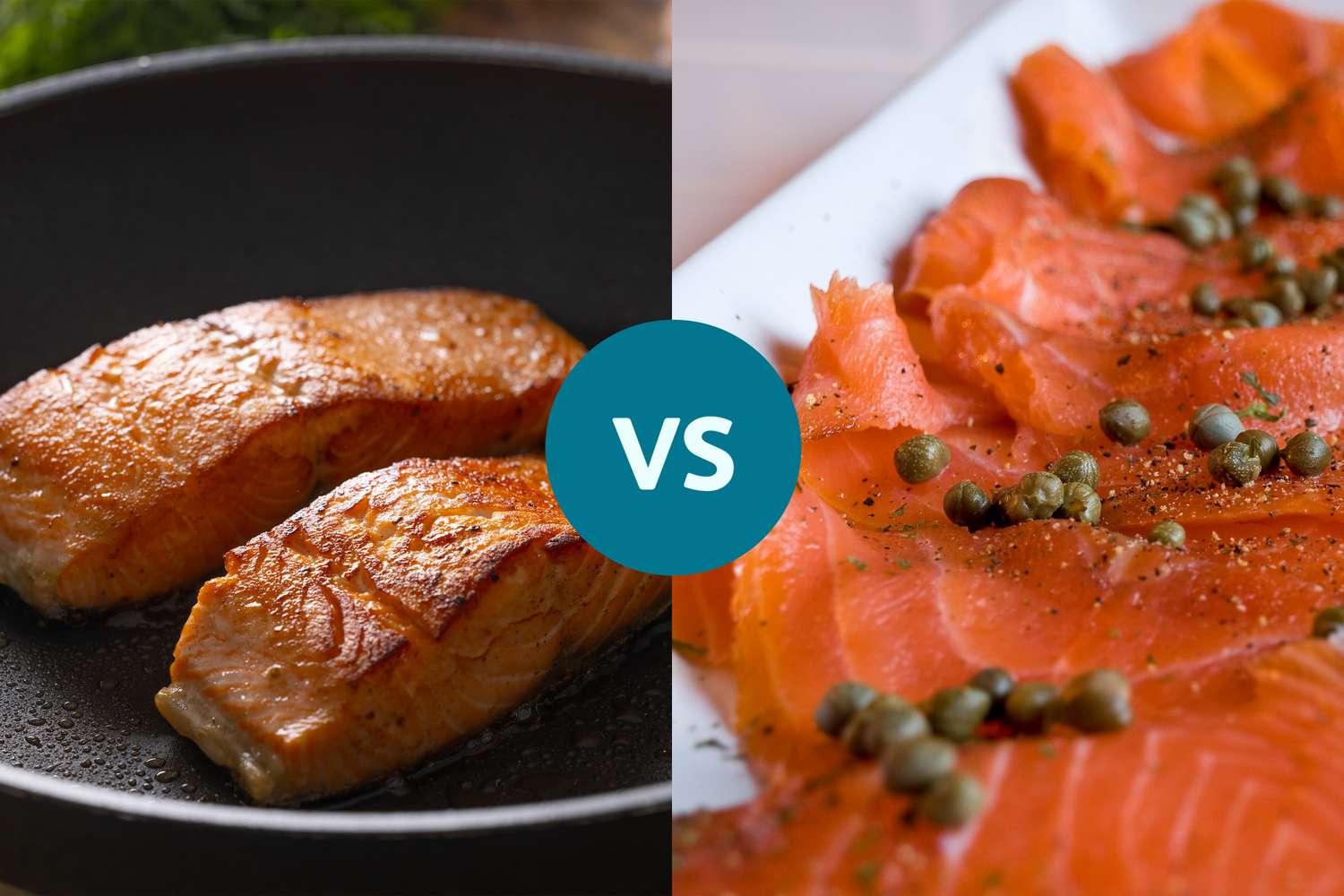
- Seafood: Salmon, sardines, and mackerel provide omega-3 fatty acids that reduce inflammation. Pairing protein and healthy fats like seafood with your veggies is a cornerstone of effective diabetes meal planning.
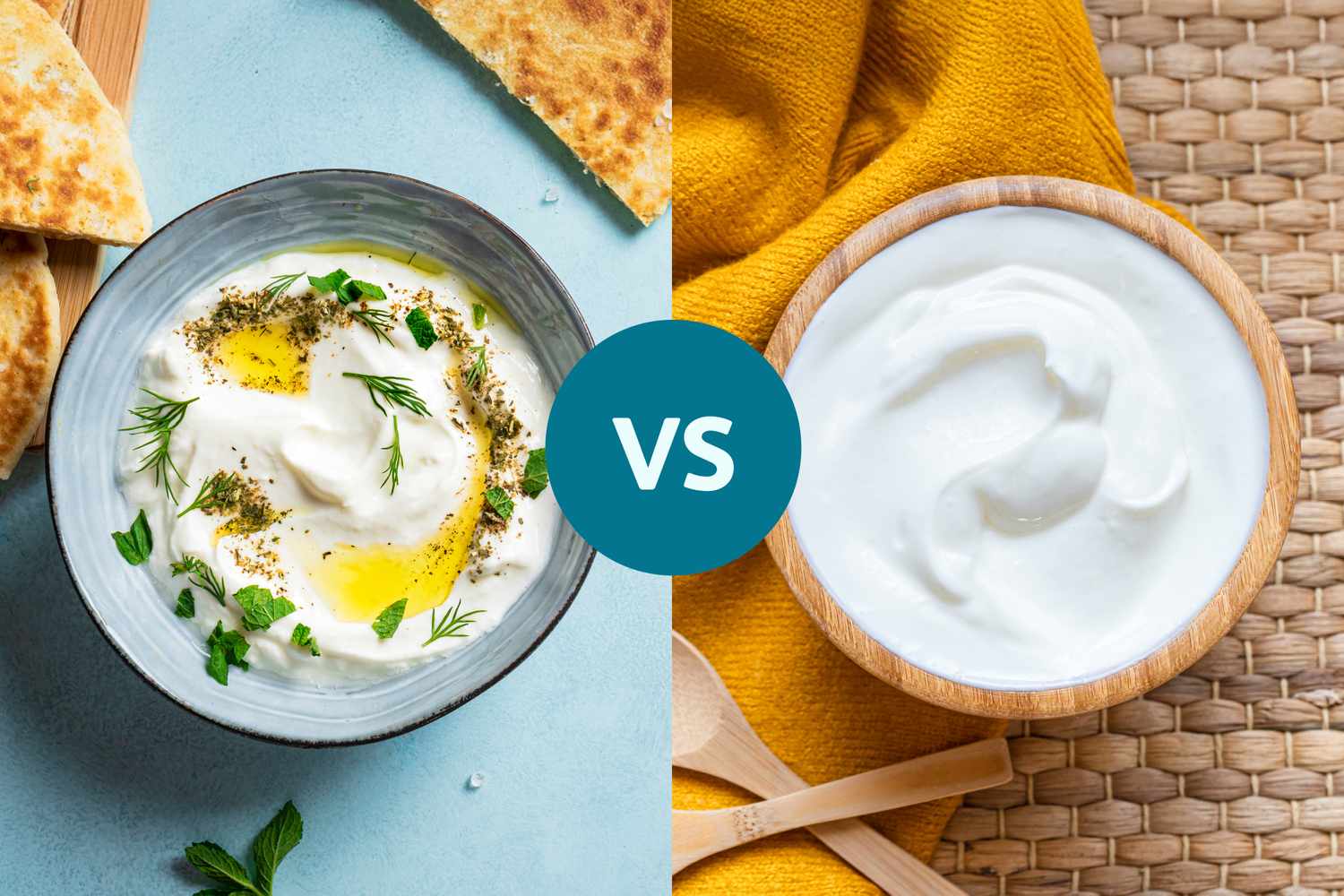
- Greek Yogurt: High-protein, unsweetened yogurt can improve glycemic control. A daily 50g serving is linked to a lower risk of metabolic complications.
- Eggs: A source of high-quality protein that promotes satiety. One large egg contains less than 1g of carbs, making it an ideal choice for a type 2 diabetes diet.
- Nuts: Walnuts and almonds are low-GI and provide essential minerals. Regular consumption is linked to better fasting glucose levels.
- Spinach and Kale: These non-starchy vegetables are low in calories but high in vitamin C and polyphenols, which help manage oxidative stress.
- Apple Cider Vinegar: Consuming 1-2 tablespoons of vinegar with a high-carb meal can improve insulin sensitivity by 19% to 34%.
- Cinnamon: Some studies suggest that 1-6g of cinnamon per day can lower fasting blood sugar by about 10% to 24%.
- Extra Virgin Olive Oil: The oleic acid in olive oil helps reduce the glycemic load of any meal it is added to, making it a vital fat for heart health and blood sugar stability.
Precision Meal Planning: The Plate Method
Practicality is the enemy of most diets. You can have all the scientific data in the world, but if you don't know what to put on your plate at 6:00 PM on a Tuesday, the data is useless. This is where the Plate Method becomes your most valuable tool for diabetes meal planning.
The Plate Method is a visual guide that ensures you get the right balance of macronutrients without needing a calculator for every meal. Use a 9-inch plate as your guide:
- 50% Non-Starchy Vegetables: Fill half your plate with leafy greens, broccoli, peppers, or cauliflower. These provide volume and fiber with very few calories.
- 25% Lean Protein: This is your quarter-plate for best seafood and lean protein for diabetes management. Think grilled chicken, tofu, or fatty fish like salmon.
- 25% High-Fiber Carbohydrates: This is where you place your low glycemic index foods like quinoa, brown rice, or a small sweet potato.

When designing your meals, focus on managing postmeal blood sugar with specific food combinations. Never eat "naked" carbs. If you are going to have a piece of fruit or a small serving of grain, always pair it with a protein or a healthy fat. For example, adding avocados to a piece of whole-grain toast can significantly reduce the insulin response compared to eating the toast alone.
Carbohydrate counting is another layer of precision. For many on a type 2 diabetes diet, one "carb choice" is defined as 15 grams of carbohydrates. Depending on your activity level and size, you might aim for 3 to 4 carb choices per meal. However, recent evidence suggests that a low-carbohydrate diet (providing less than 26% of total energy) can lead to a mean reduction in HbA1c levels of 0.47%.
Lifestyle Synergy: Timing and Long-term Management
While food is the primary lever, the context in which you eat matters just as much. Meal timing and consistency play a major role in optimizing insulin. Eating at regular intervals helps your body predict when glucose will arrive, allowing your pancreas (or your medication) to work more efficiently.
Long-term management is about more than just avoiding "bad" foods; it is about metabolic flexibility. Achieving a weight loss of 5% to 10% can significantly improve insulin sensitivity, but if you can reach a loss of up to 15%, you may actually enter diabetes remission. This is a state where your blood sugar levels stay in the healthy range without the need for medication.
Furthermore, heart health is inextricably linked to diabetes. High blood sugar can damage blood vessels over time, so your type 2 diabetes diet should also be a heart-healthy diet. This means incorporating heart-healthy fish at least twice a week and strictly monitoring your sodium intake to stay under the 2,300mg daily limit. By prioritizing nutrient density and soluble fiber, you are not just treating a number on a glucose monitor; you are protecting your entire cardiovascular system.
FAQ
What foods should I avoid with type 2 diabetes?
You should primarily limit highly processed carbohydrates and sugar-sweetened beverages. Foods like white bread, sugary cereals, and sodas cause rapid glucose spikes. It is also wise to minimize trans fats and excessive saturated fats found in processed meats, as these can worsen insulin resistance and increase cardiovascular risk.
Can type 2 diabetes be reversed through diet?
While "reversed" is often used, the clinical term is "remission." Many people can achieve blood sugar levels in the non-diabetic range by following a structured type 2 diabetes diet and achieving significant weight loss, typically around 10% to 15% of their body weight. This is most effective when addressed early after a diagnosis.
What are the best fruits for people with type 2 diabetes?
The best fruits are those with a low glycemic index and high fiber content. Berries such as raspberries, strawberries, and blueberries are excellent choices. Citrus fruits like grapefruit and oranges are also beneficial. It is generally better to eat the whole fruit rather than drinking fruit juice, as the fiber in the whole fruit slows sugar absorption.
How many carbs should a person with type 2 diabetes eat per day?
There is no one-size-fits-all answer, as carb needs vary by age, activity level, and weight goals. However, many clinical guidelines suggest that a low-carbohydrate diet—often defined as less than 130 grams per day or less than 26% of total energy—can be very effective for blood sugar control. Always consult with a dietitian to find your specific "carb budget."
Is oatmeal a good breakfast for diabetics?
Yes, provided you choose the right kind. Steel-cut or rolled oats are excellent because they contain beta-glucan, a soluble fiber that helps manage postprandial glucose. Avoid "instant" oatmeal packets that often contain added sugars and have a higher glycemic index due to more extensive processing.
What are the best vegetables for blood sugar control?
Non-starchy vegetables are the gold standard for a type 2 diabetes diet. These include leafy greens (spinach, kale), cruciferous vegetables (broccoli, cauliflower, Brussels sprouts), peppers, asparagus, and cucumbers. These foods are low in calories and carbohydrates but high in fiber and essential micronutrients.