Our Top Picks
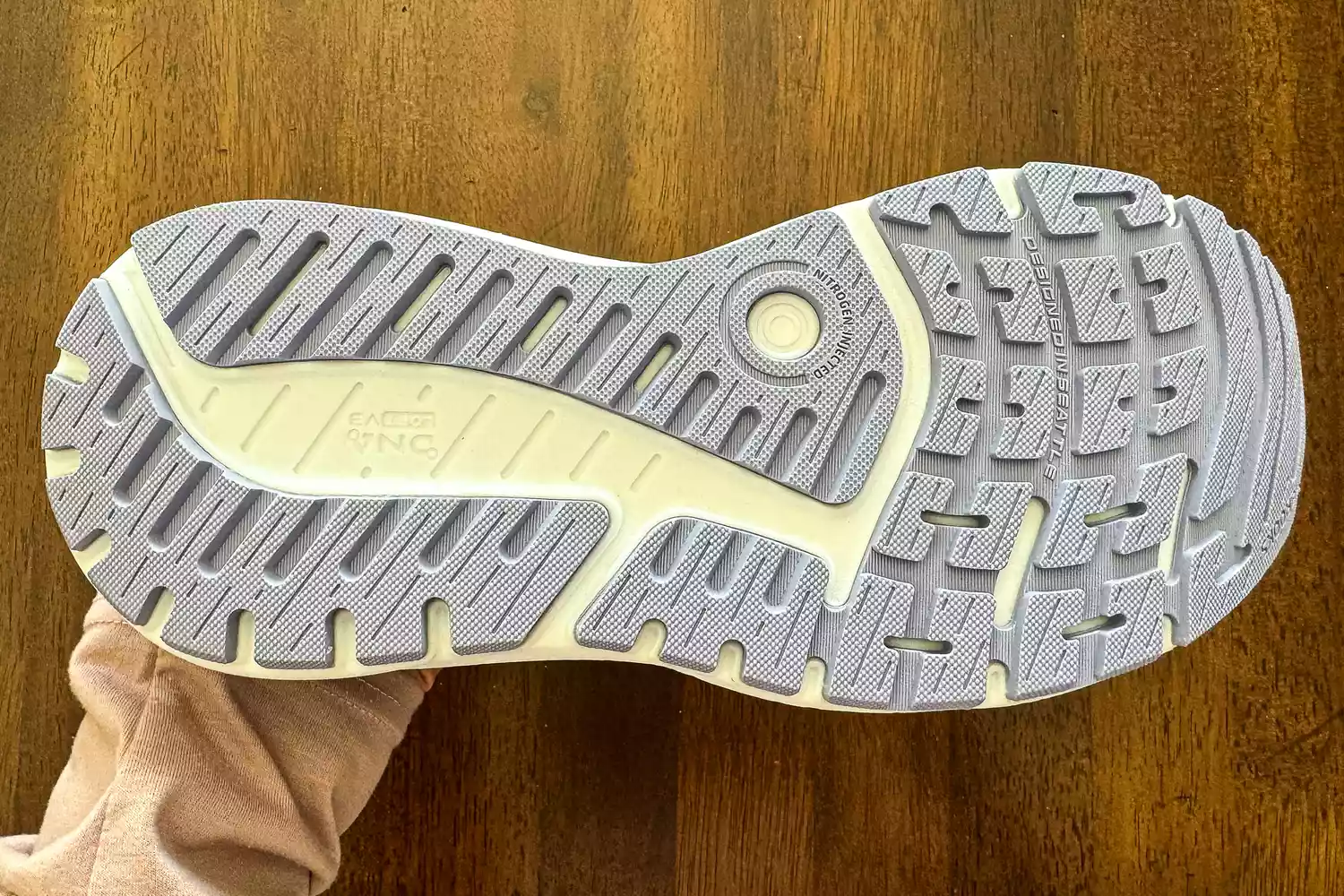
- Best Overall / Max Cushioning: Glycerin 21 — The gold standard for a plush, cloud-like ride thanks to its nitrogen-infused DNA Loft v3 foam and generous stack height.
- Best for Stability: Adrenaline GTS 24 — A reliable workhorse that uses GuideRails technology to support your natural stride and manage overpronation without feeling intrusive.
- Best Versatile Daily Trainer: Ghost 17 — The ultimate entry point for beginners and veterans alike, now upgraded with nitrogen-infused cushioning for better energy return and durability.
- Best for Speed: Hyperion Elite 5 — A carbon-plated racer featuring the new DNA Gold foam, designed to propel you toward personal bests in marathons and tempo runs.
The best brooks running shoes for 2026 are the Glycerin 21 for runners seeking max cushioning and the Adrenaline GTS 24 for those who require dedicated stability. For individuals looking for the most versatile option that balances weight and comfort, the Ghost 17 stands out as the premier daily trainer for a neutral gait.
Finding the perfect pair of running shoes can feel like a marathon in itself. With new technologies launching every season, the landscape of performance footwear changes rapidly. However, Brooks has remained a constant leader in the industry. As of late 2024, the brand had maintained the No. 1 market share in adult performance running footwear for 11 consecutive quarters. This dominance is backed by financial strength, as Brooks Running achieved record-breaking global revenue in 2025, representing a 16% increase compared to the previous year.
What makes this brand so special is its "Run Happy" philosophy, which translates into shoes that don't try to change how you run, but rather work with your body's natural motion path. Whether you are a heel striker, a speed demon, or someone who needs extra room in the toe box volume, there is a specific model tailored to your biomechanics.
2026 Brooks Performance Comparison
| Model | Category | Weight (Men's 9) | Drop | Key Technology |
|---|---|---|---|---|
| Ghost 17 | Daily Trainer | 10.1 oz | 12mm | DNA Loft v3 |
| Glycerin 21 | Max Cushion | 10.2 oz | 10mm | DNA Loft v3 (High Stack) |
| Adrenaline GTS 24 | Stability | 10.4 oz | 12mm | GuideRails |
| Hyperion Elite 5 | Racing | 7.2 oz | 8mm | DNA Gold + Carbon Plate |
| Cascadia 19 | Trail | 11.0 oz | 8mm | TrailTack Green |
| Ghost Max 2 | High-Stack Neutral | 10.8 oz | 6mm | DNA Loft v2 (Rocker) |
1. The Ultimate Daily Trainer: Brooks Ghost 17
The Ghost has long been the heart of the Brooks lineup. In its 17th iteration, this shoe has undergone its most significant transformation yet by incorporating nitrogen-infused DNA Loft v3 cushioning. Previously reserved for the more expensive Glycerin line, this foam provides a lighter, more responsive feel without sacrificing the "step-in comfort" that made the Ghost a legend. It is widely considered one of the best brooks running shoes for beginners due to its approachable design and high durability.
The 12mm heel-to-toe drop remains a staple here, making it an excellent choice for runners who land heavily on their heels. The upper has also been refined with a new engineered mesh that offers better breathability during summer miles. For many, the Ghost and Adrenaline GTS franchises represent the pinnacle of reliability, and they collectively commanded more than 10% of the U.S. retail market share for performance running footwear in 2024.
Pros
- Reliable and consistent ride for neutral runners.
- Upgraded nitrogen-infused foam adds a modern, energetic feel.
- High-abrasion rubber outsole lasts for 400+ miles.
Cons
- The 12mm drop can feel a bit steep for midfoot or forefoot strikers.
- Not as "exciting" or soft as the Glycerin or Ghost Max.
Who It’s For: The neutral runner who wants one shoe to handle everything from short recovery jogs to long weekend miles.
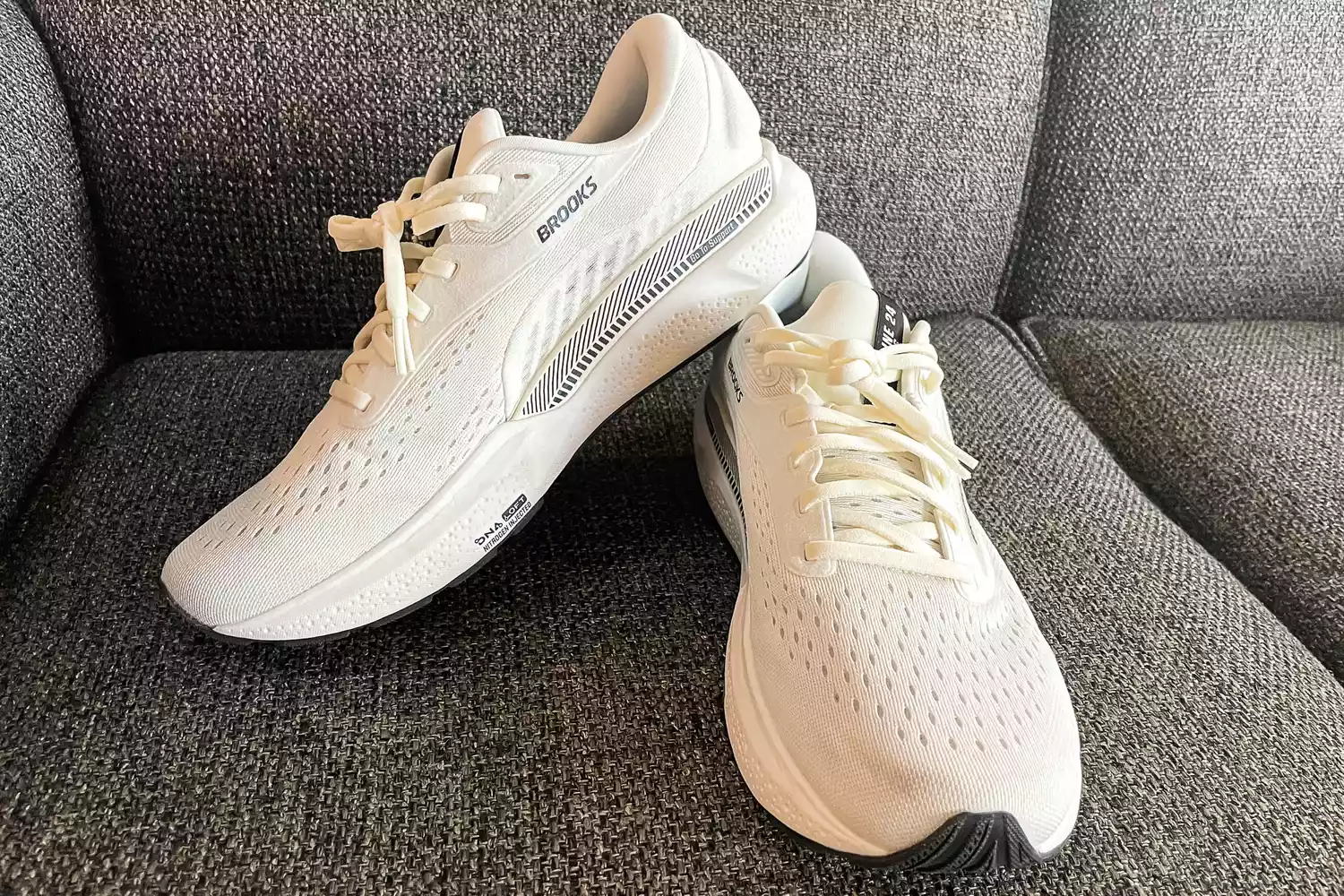
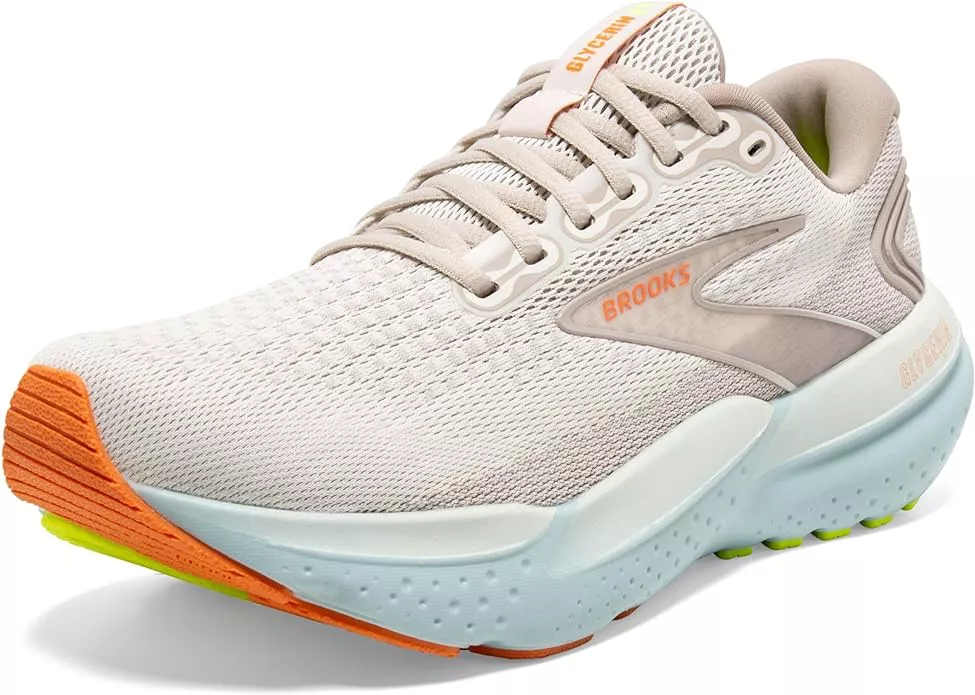
2. Best for Maximum Comfort: Brooks Glycerin 21
If your primary goal is to feel like you are running on clouds, the Glycerin 21 is your answer. This model sits at the top of the Brooks cushioned running shoes hierarchy. By adding 2mm of extra DNA Loft v3 stack height compared to the previous version, Brooks has created a plush environment that absorbs impact with every stride.
The Glycerin 21 is also a favorite among medical professionals, often being podiatrist recommended for its supportive yet soft platform. It carries the APMA Seal of Acceptance, signifying that it promotes good foot health. This is a top-tier choice for runners with high arches who need a neutral shoe that can dampen the shock of pavement pounding.
Pros
- Extremely soft and protective cushioning for joint health.
- Available in both neutral and "GTS" (Go-To Support) versions.
- Superb interior lining feels premium against the foot.
Cons
- The high stack height can feel slightly less stable on uneven surfaces.
- Higher price point than the standard Ghost.
Who It’s For: High-mileage runners or those recovering from injury who want maximum shock absorption and a luxurious feel.
3. The Stability Standard: Brooks Adrenaline GTS 24
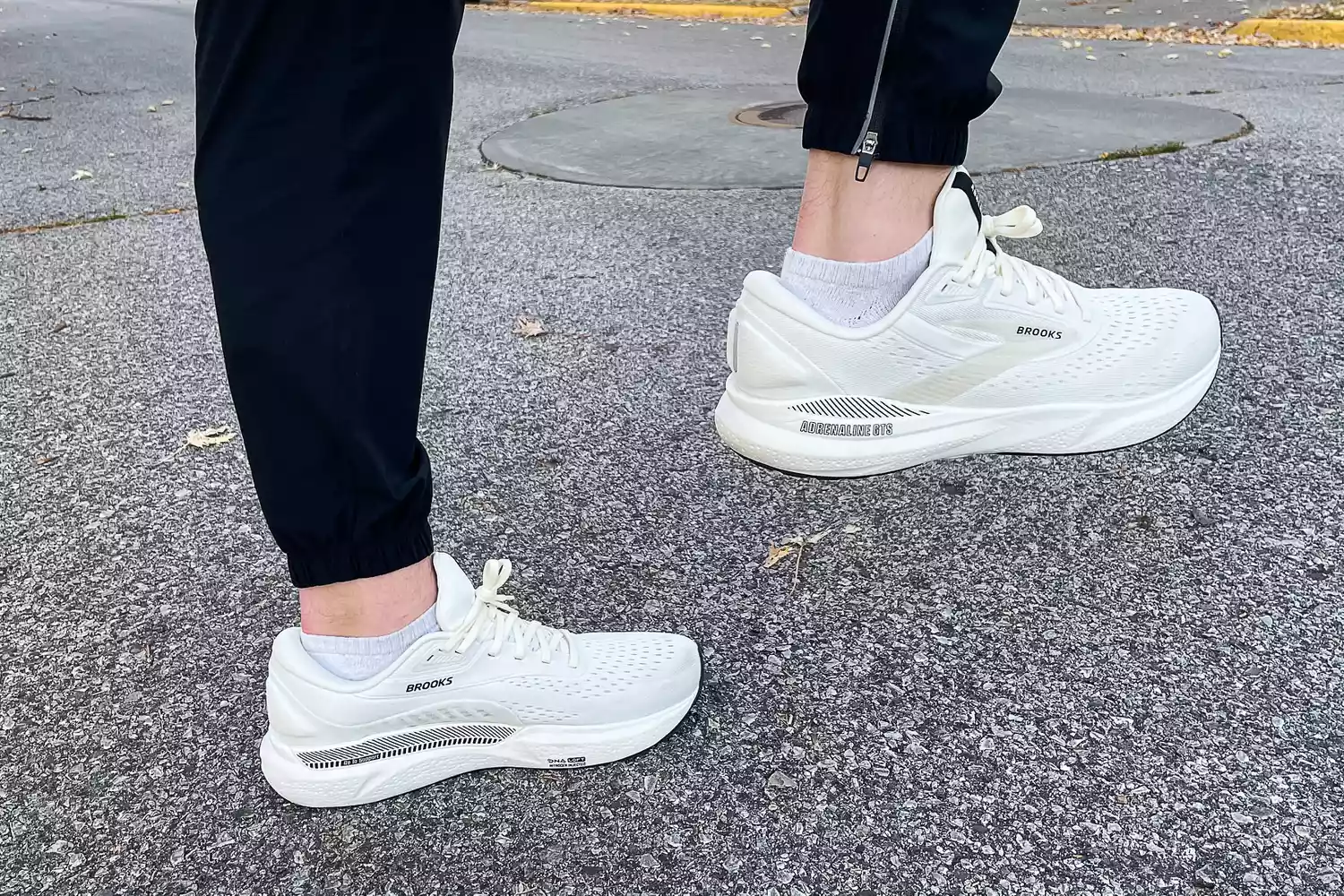
For overpronators, the search for support ends with the Adrenaline GTS 24. Unlike traditional stability shoes that use a hard medial post to block the foot from rolling inward, Brooks utilizes GuideRails technology. Think of GuideRails like the bumpers on a bowling alley; they stay out of the way when your stride is aligned but kick in to support your knees and ankles when your form begins to deviate.
This shoe is the cornerstone of brooks support running shoes for overpronation. It provides a balanced ride that blends support with the DNA Loft v2 cushioning. It is designed to be a daily trainer that can handle the rigors of high-volume training while keeping your body in its most efficient motion path.
Pros
- GuideRails support is less intrusive than traditional stability posts.
- Excellent midfoot lockdown and secure heel cup.
- Very durable outsole with great traction on wet roads.
Cons
- Heavier than the neutral Ghost.
- Cushioning is slightly firmer than the Glycerin to maintain stability.
Who It’s For: Runners who experience knee or ankle pain due to overpronation and need a reliable, supportive partner for daily training.
4. Best for Speed and Tempo: Brooks Hyperion Elite 5
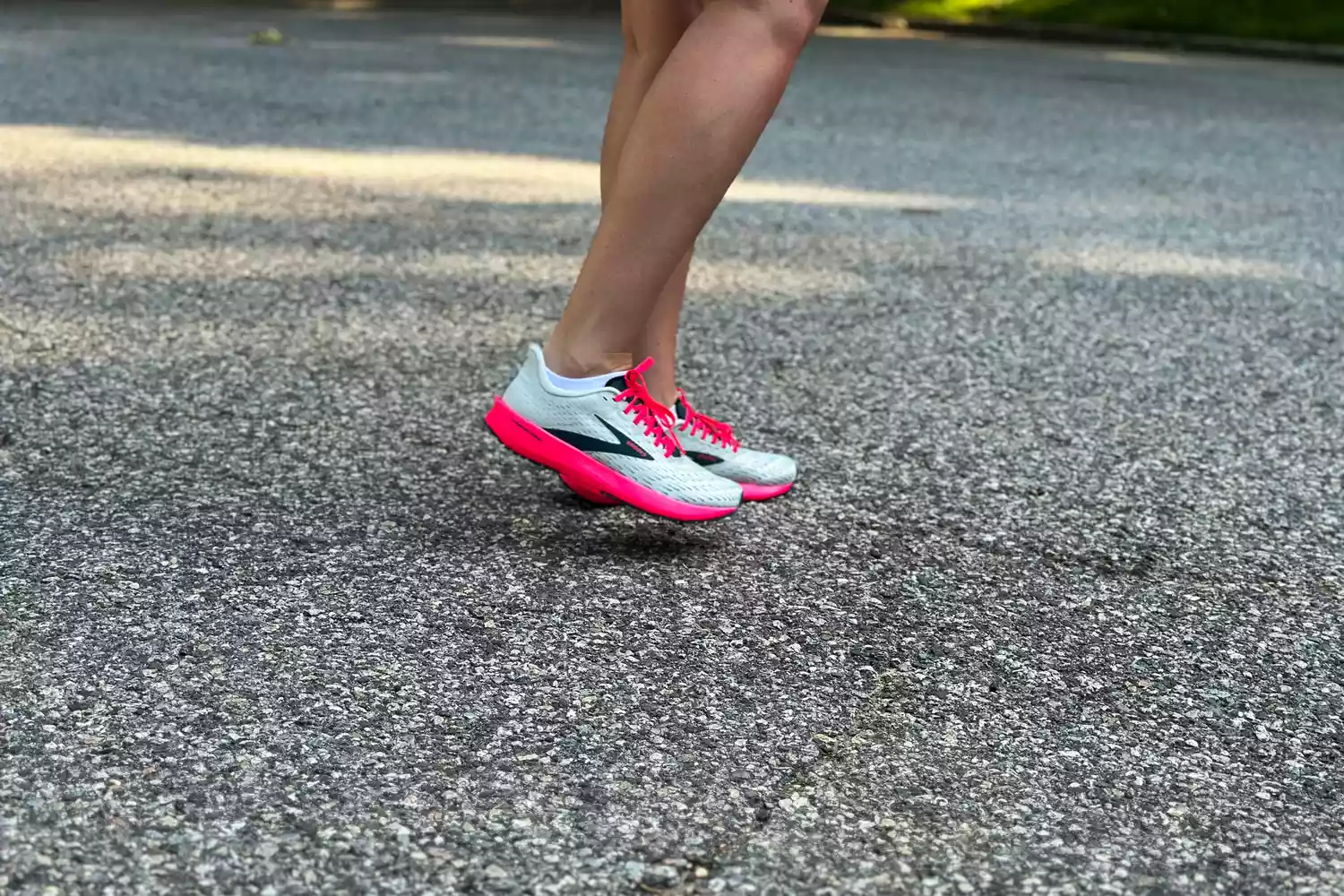
When the clock is ticking, the Hyperion Elite 5 is the tool of choice. This is Brooks’ premier racing shoe, featuring a full-length carbon fiber plate designed to provide incredible energy return. The midsole features the brand's newest innovation, DNA Gold, a PEBA-based foam that is significantly lighter and more resilient than standard EVA or nitrogen-infused foams.
Weighing in at a feather-light 7.2 oz, it is built for brooks running shoes for speed work and tempo runs. The aggressive geometry and rocker shape help transition the foot quickly from heel to toe-off, making it easier to maintain a faster cadence during a marathon or a local 5K.
Pros
- Elite-level energy return from the carbon plate and DNA Gold foam.
- Extremely lightweight and breathable upper.
- Aggressive rocker helps maintain speed over long distances.
Cons
- Narrower fit may not suit all foot types.
- Reduced durability compared to daily trainers; designed for race day.
Who It’s For: Competitive runners aiming for a new personal record who want a fast, snappy, and technologically advanced racing shoe.
5. The Rugged Explorer: Brooks Cascadia 19
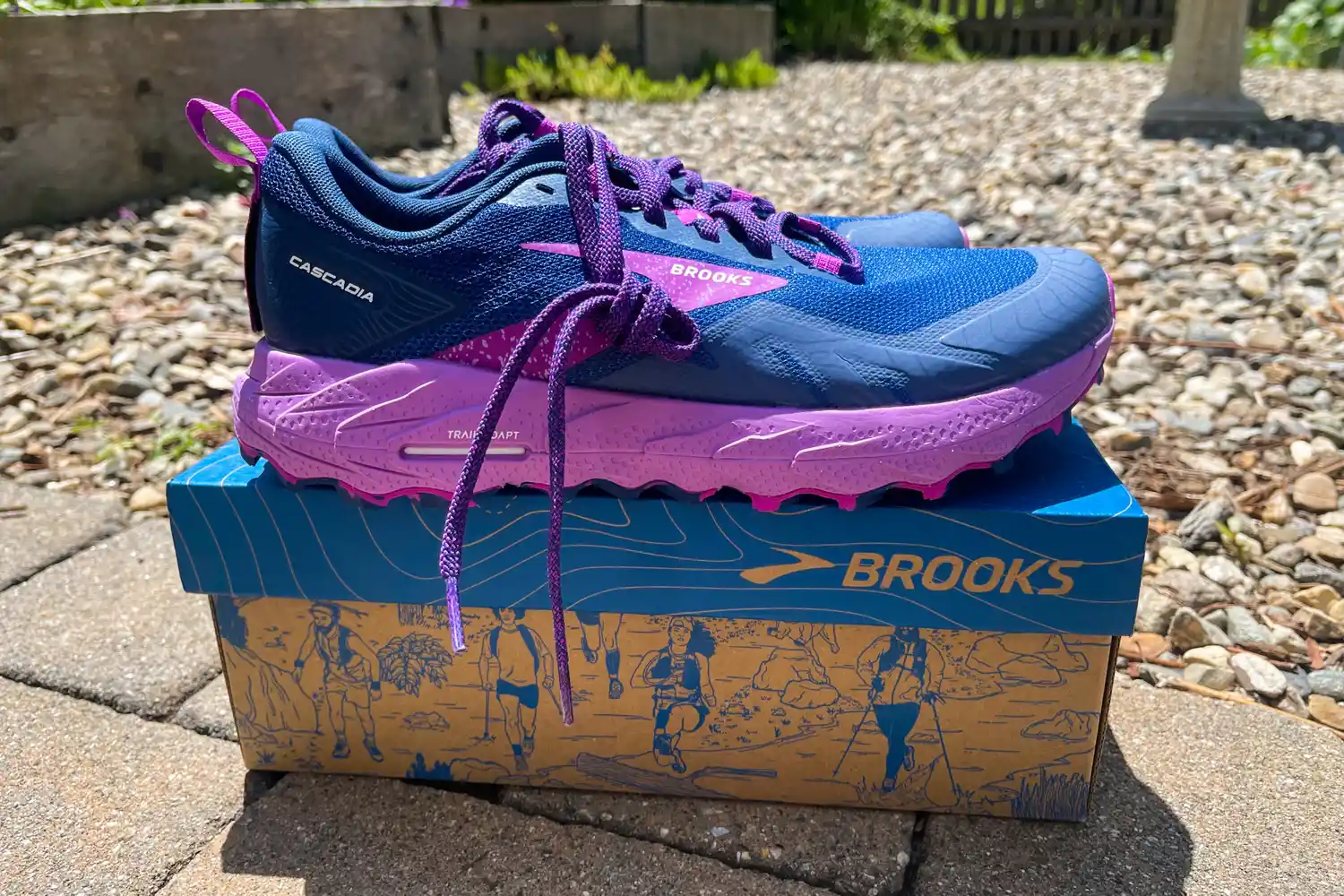
The Cascadia has been a staple in the trail community for nearly two decades. The 19th edition continues this legacy with the Trail Adapt System, which uses an integrated midsole, rock plate, and zonal outsole pods to provide stability on technical terrain. When looking at brooks trail vs road running shoes, the Cascadia 19 stands out for its specialized TrailTack rubber.
This rubber compound provides exceptional grip on both wet and dry surfaces, giving you the confidence to tackle rocky climbs and muddy descents. It also features a Ballistic Rock Shield to protect the bottom of your feet from sharp debris, a feature you won't find in road models like the Ghost.
Pros
- Exceptional protection from rocks and roots.
- Sturdy construction built to withstand mountain environments.
- Gaiter attachments make it easy to add extra protection from dirt.
Cons
- Can feel heavy and stiff if used for long stretches on paved roads.
- Toe box volume might feel snug for those with very wide feet.
Who It’s For: Trail runners who prioritize protection and stability over technical, unpredictable mountain paths.
6. Maximum Support for Flat Feet: Brooks Beast GTS 24
For runners with severe overpronation or very flat feet, the Brooks Beast GTS 24 is the ultimate motion control solution. It features a wide platform that offers a massive amount of stability, ensuring that the foot stays neutral even under heavy loads. It is frequently cited as the best brooks running shoes for wide feet due to its accommodating fit and various width options.
The Beast uses the strongest implementation of GuideRails technology, providing a "cradled" feel that prevents the foot from collapsing inward. While it is one of the heavier shoes in the lineup, it is unmatched in its ability to support the skeletal structure of runners who need maximum intervention.
Pros
- Unrivaled stability for severe overpronators.
- Wide, stable base provides a secure platform.
- High-quality materials ensure it can handle heavy daily use.
Cons
- Quite heavy and bulky for speed work.
- Aesthetic is more "functional" than "sleek."
Who It’s For: Runners with flat feet or those who require significant motion control to prevent pain and injury.
7. The Versatile Hybrid: Brooks Revel 7
The Revel 7 is the perfect example of a crossover shoe. At an accessible price point, it is designed for the runner who also spends time in the gym. It uses BioMoGo DNA cushioning, which provides a springy feel that works well for both running and lateral movements.
If you are looking for brooks shoes for running and cross training, the Revel 7 offers a lower profile and a more versatile outsole than the dedicated high-cushion road shoes. It’s stylish enough for casual wear but performance-oriented enough for a 5-mile run or a HIIT session.
Pros
- Excellent value for the price.
- Versatile design works for the gym, running, and casual wear.
- Lightweight and flexible.
Cons
- Lacks the advanced nitrogen-infused foam of more expensive models.
- Not intended for high-mileage marathon training.
Who It’s For: Budget-conscious runners or fitness enthusiasts who want one shoe that can do it all.
8. High-Stack Protection: Brooks Ghost Max 2
The Ghost Max 2 takes the DNA of the classic Ghost and "maxes it out" with a massive midsole stack height. However, unlike the Glycerin, which is all about plushness, the Ghost Max 2 uses a rockered geometry to promote easy transitions. This rocker design helps roll the foot forward, reducing the strain on the forefoot and toes.
This model is particularly effective for runners seeking relief from plantar fasciitis or those who simply prefer a high-protection shoe with a lower 6mm heel-to-toe drop. It provides a stable, wide platform that feels incredibly secure despite the height.
Pros
- Massive impact protection for joints.
- GlideRoll Rocker makes transitions feel effortless.
- Lower drop is better for midfoot strikers compared to the standard Ghost.
Cons
- The large footprint can feel a bit clunky at first.
- Heavy for its category.
Who It’s For: Runners who want maximalist cushioning with a rockered ride to protect their joints and feet from repetitive impact.
Buyer's Guide: Choosing Your Brooks Fit
Choosing between these models comes down to understanding your specific biomechanics. Brooks labels their shoes with "GTS" (Go-To Support) to indicate stability versions, while neutral shoes are usually the base models.
Tech Glossary:
- DNA Loft v3: The brand's softest cushioning, created through a nitrogen-infusion process for a lightweight, bubbly feel.
- GuideRails: A holistic support system that helps keep your knees and hips in alignment by managing excess foot rotation.
- TrailTack: A specialized rubber compound designed for superior grip on off-road surfaces.
- DNA Gold: The newest, most responsive foam found in elite racing models.
When sizing, remember that Brooks generally fits true to size, but we recommend a half-size up from your dress shoes to allow for foot swelling during long runs. Whether you are a beginner looking for your first daily trainer or a pro seeking the ultimate energy return, understanding these technologies will help you find your perfect fit.
FAQ
Which Brooks running shoe has the most cushioning?
The Brooks Glycerin 21 and the Ghost Max 2 offer the most cushioning. The Glycerin 21 provides a softer, more plush "sink-in" feel, while the Ghost Max 2 uses a higher stack of firmer foam with a rocker shape for a more protective, rolling transition.
Are Brooks shoes good for runners with flat feet?
Yes, Brooks is renowned for its support options. Runners with flat feet should look for shoes with GuideRails technology, such as the Adrenaline GTS 24 or the Beast GTS 24. These models help stabilize the foot and prevent the excessive inward rolling associated with flat arches.
What is the difference between Brooks Ghost and Adrenaline?
The primary difference is support. The Ghost is a neutral shoe designed for runners who do not overpronate, while the Adrenaline GTS is a stability shoe that features GuideRails technology to help align the stride of overpronators. Both offer similar levels of daily training cushioning.
How long do Brooks running shoes typically last?
Most Brooks running shoes are designed to last between 300 and 500 miles. Durability depends on factors like your running surface, body weight, and gait. Models like the Ghost and Adrenaline are known for their high-mileage outsoles, while racing shoes like the Hyperion Elite have a shorter lifespan.
Are Brooks shoes recommended for plantar fasciitis?
Many podiatrists recommend Brooks models like the Ghost Max 2 or Glycerin 21 for plantar fasciitis. These shoes provide the necessary arch support and heel cushioning to reduce strain on the plantar fascia ligament, especially those with a rockered sole that limits forefoot flex.