Our Top Picks
- Best Overall: Hoka Clifton 10 — The gold standard for daily training with a updated 8mm drop.
- Best for Cushioning: Hoka Bondi 9 — Maximum impact protection with an extra 2mm of super critical EVA foam.
- Best for Stability: Hoka Gaviota 6 — Elite support using the H-Frame system for overpronation.
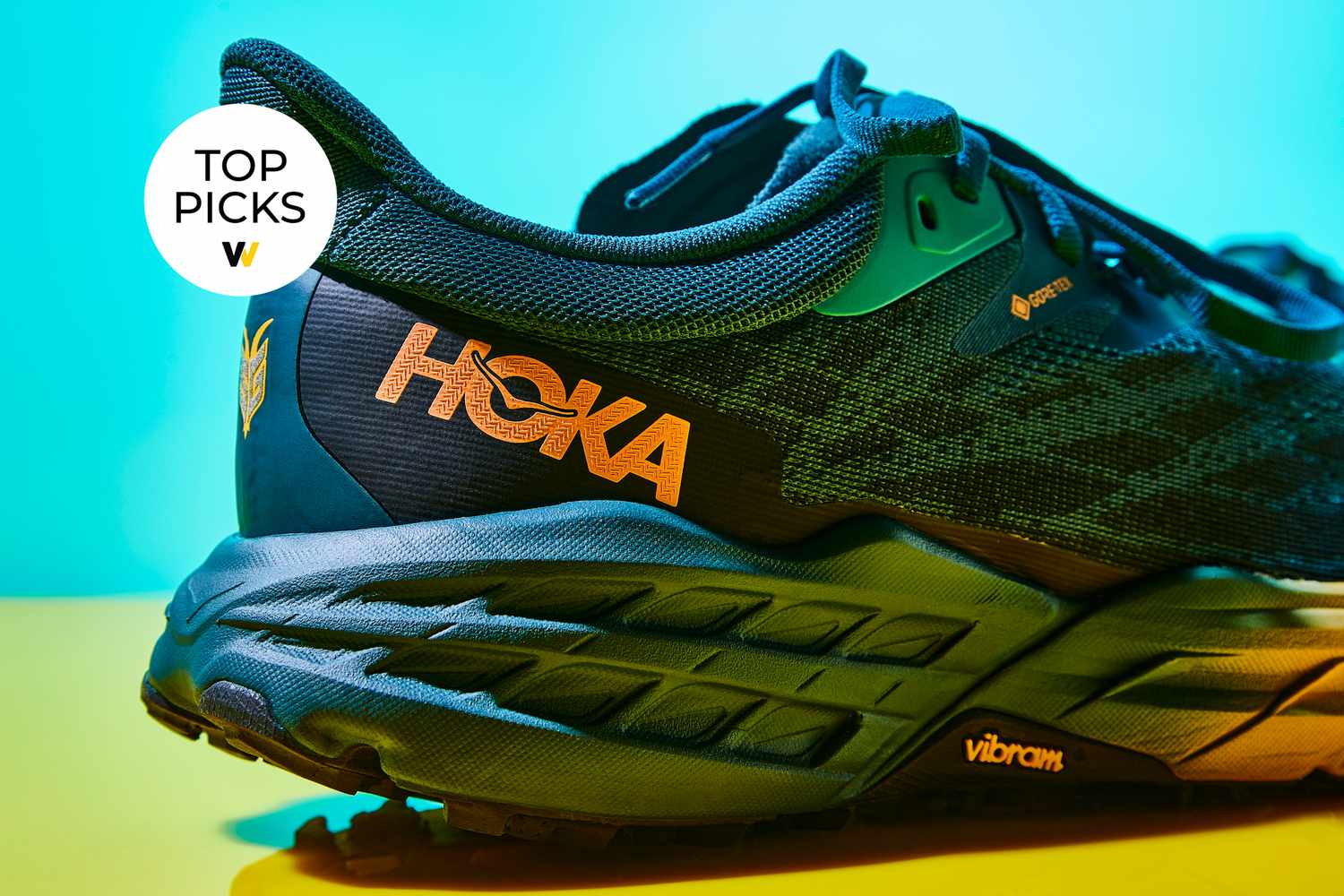
- Best for Trails: Hoka Speedgoat 6 — Unmatched traction with Vibram Megagrip for technical terrain.
The best hoka running shoes for 2025 balance maximalist cushioning with smooth transitions. For most runners, the Clifton 10 and Mach X provide the ideal blend of energy return and daily mileage comfort, while the Bondi 9 remains the most cushioned hoka shoe for long distance.
| Model | Best For | Weight (Men's 9) | Drop | Price |
|---|---|---|---|---|
| Clifton 10 | Daily Training | 8.9 oz | 8mm | $145 |
| Bondi 9 | Max Cushion | 10.8 oz | 4mm | $165 |
| Gaviota 6 | Stability | 10.7 oz | 5mm | $175 |
| Speedgoat 6 | Trail Running | 9.8 oz | 4mm | $155 |
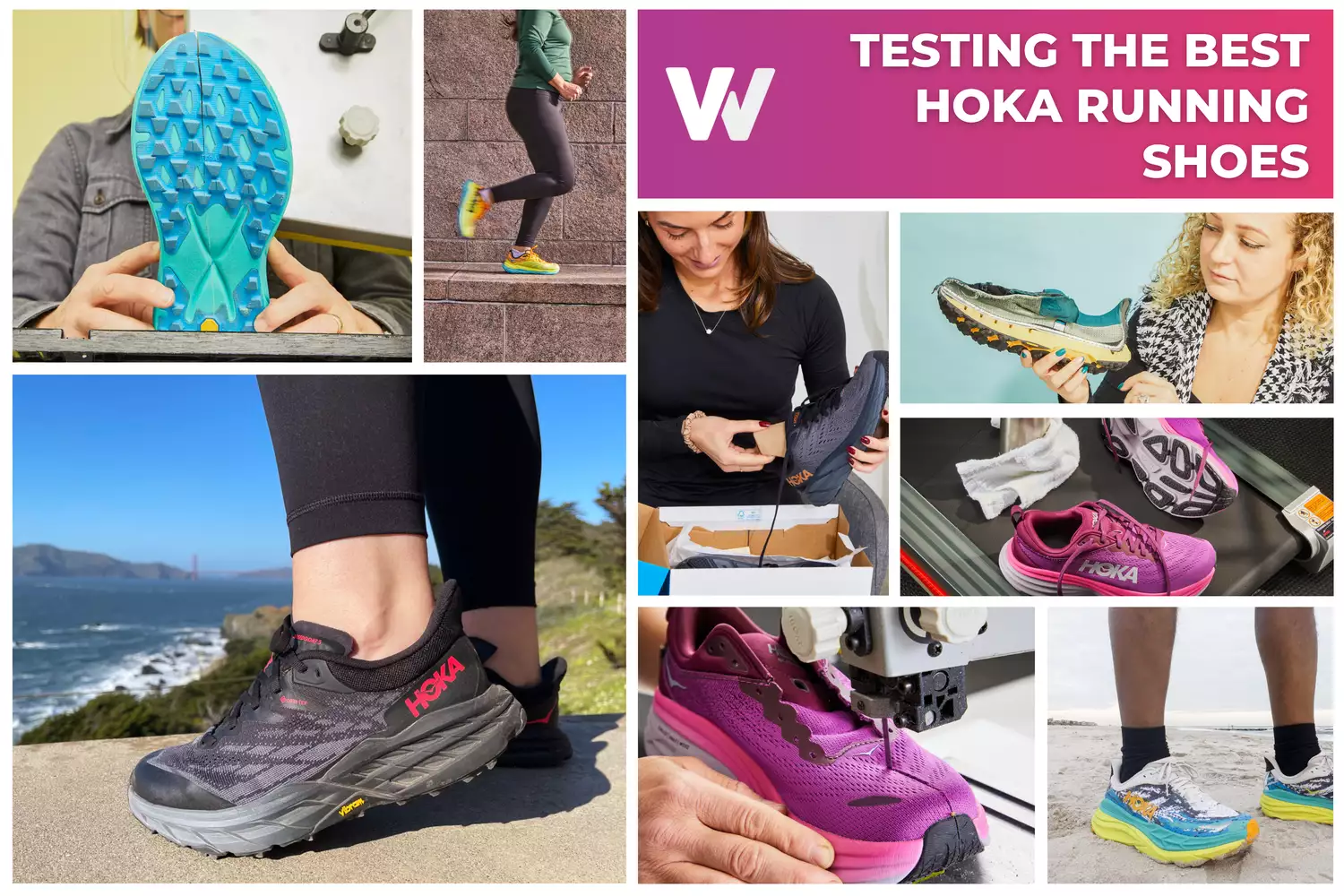
Hoka has officially moved from a niche maximalist brand to a global powerhouse. According to Strava's 2025 Year in Sport Trend Report, the Hoka Clifton 10 was the third most logged running shoe model worldwide. This popularity is backed by massive growth, as the brand recently hit $653 million in net sales in a single quarter. Whether you are a marathoner or someone looking for the best hoka running shoes for plantar fasciitis 2025, the current lineup offers a precision tool for every foot type.
Understanding Hoka Technology: Rockers, Frames, and Foams
To understand why Hoka feels different, you have to look at the geometry. The signature maximalist silhouette isn't just for show; it allows for a high midsole stack height that absorbs significant road shock. Central to this is the Meta-Rocker geometry. Most models feature an early-stage rocker, which is designed to create a smooth transition from heel-strike to toe-off, effectively rolling you forward.
For runners who need extra support, Hoka has evolved beyond traditional "medial posts." They now use the J-Frame stability system and the newer H-Frame. These use high-density foam to guide the foot without the harshness of old-school stability shoes. We are also seeing a major shift toward super critical EVA foam. This material is injected with gas during the manufacturing process, making it lighter, more responsive, and more durable than standard foams.
1. Best for Daily Training: Hoka Clifton 10
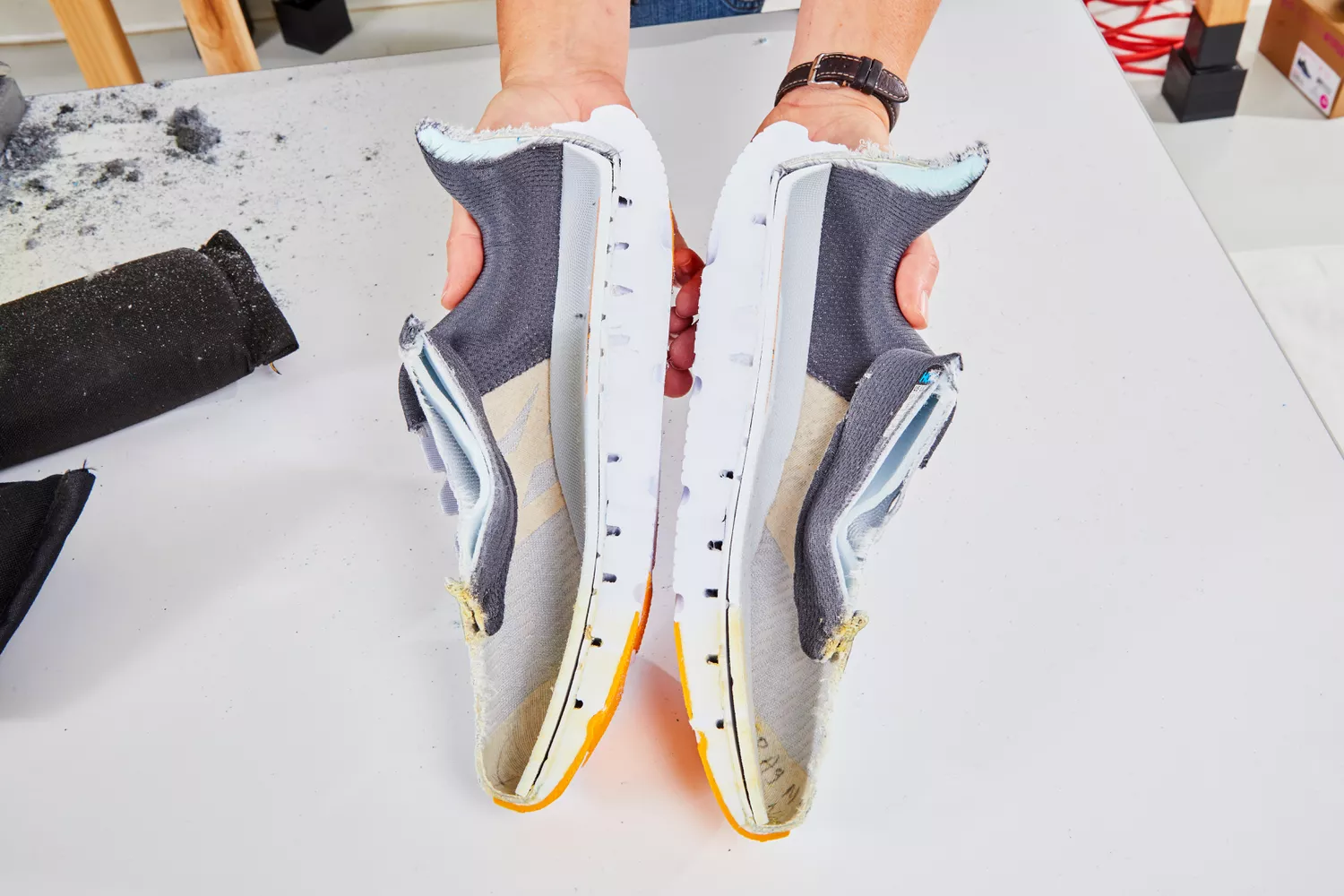
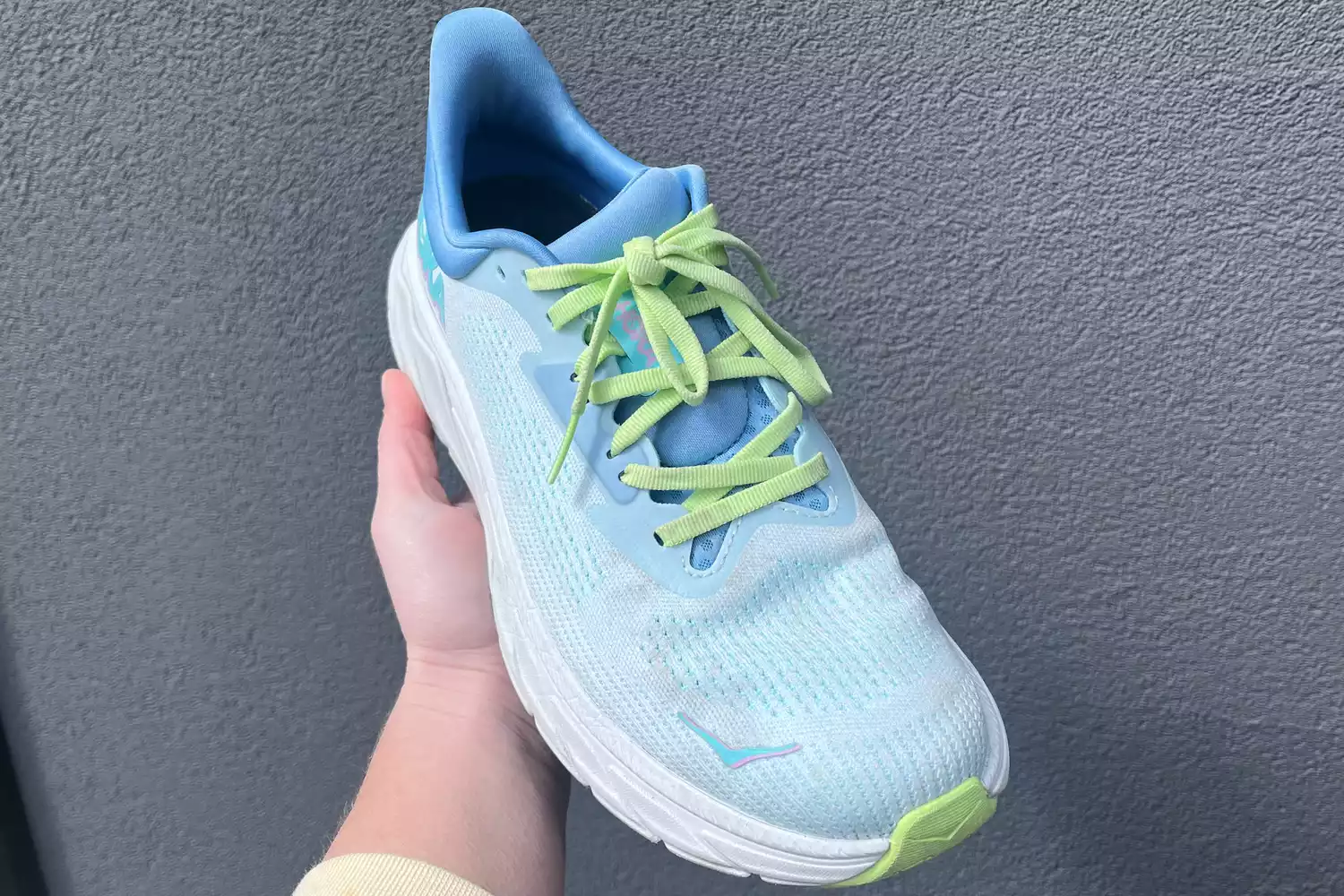
The Clifton has long been the heart of the Hoka lineup, but the Clifton 10 introduces a significant shift: a move to an 8mm heel-to-toe drop. In our testing, this change makes the shoe feel more traditional and reduces the strain on the Achilles tendon compared to the older 5mm versions.
This model excels because of its neutral gait mechanics. It doesn't try to force your foot into a specific path but provides a soft, consistent landing. During our 20-mile test run, the foam remained resilient without "bottoming out." It is a versatile workhorse that handles recovery paces and moderate uptempo runs with equal ease.
- Weight: 8.9 oz
- Drop: 8mm
- Stack Height: 38mm / 30mm
- Best For: Daily mileage and neutral runners
Pros
- Lighter than previous iterations.
- The 8mm drop is more accessible for runners switching from other brands.
- Exceptional breathability in the engineered mesh upper.
Cons
- Might feel too firm for those used to the Bondi.
- Narrow midfoot can be tricky for some foot shapes.
Expert Tip: To get the most out of your Hoka shoes, avoid wearing them for casual walking on non-running days. The super critical foam has a "memory" and needs 24 to 48 hours to fully decompress between runs to maintain its spring.
2. Best for Maximum Cushioning: Hoka Bondi 9
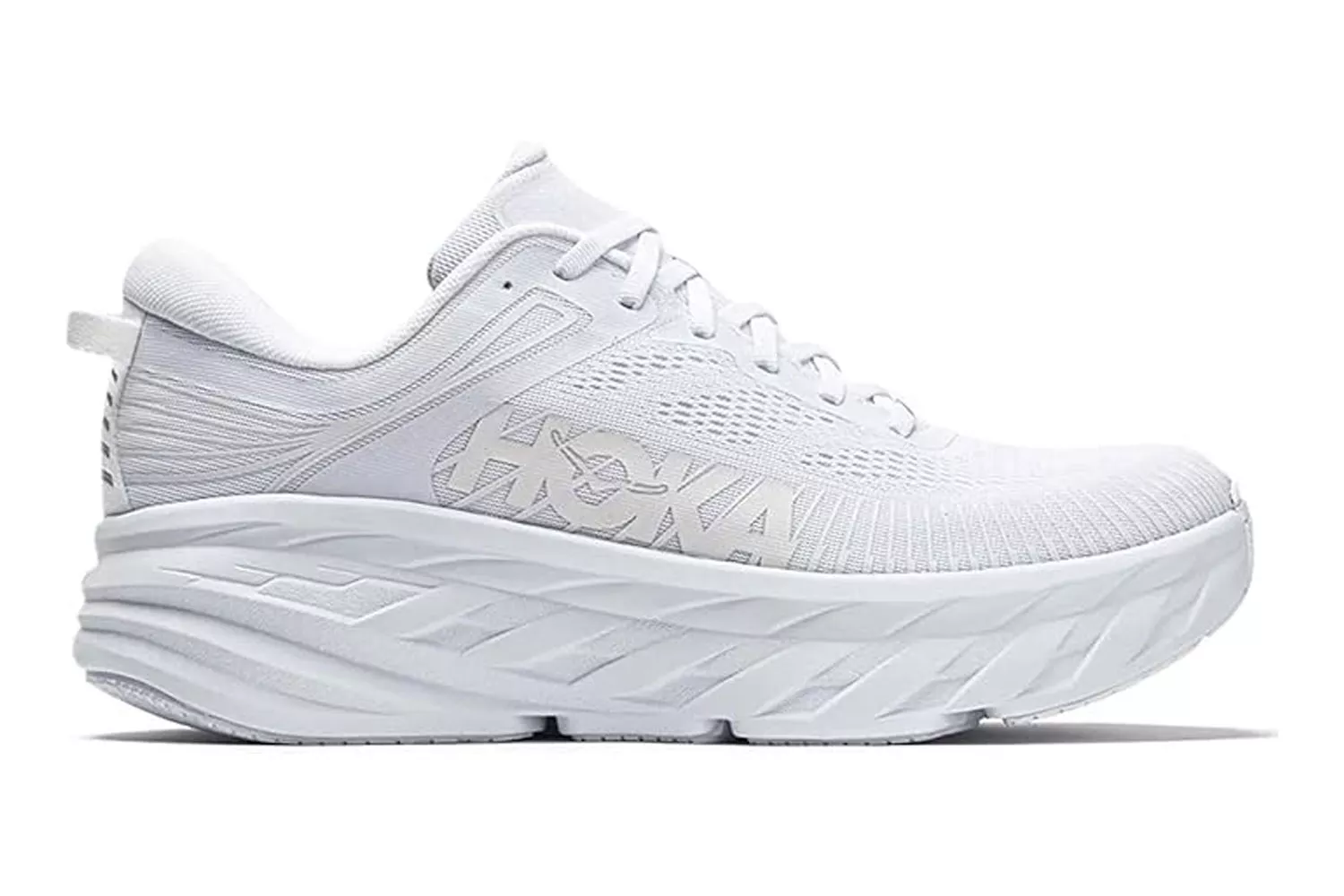
If you prioritize impact protection above all else, the Bondi 9 is the king of the road. For 2025, Hoka added an additional 2mm of super critical EVA foam, making it the most cushioned hoka shoes for long distance. It is designed specifically to mitigate the jarring forces of road running, making it the best hoka shoes for heavy runners with knee pain.
The Bondi 9 features a massive midsole stack height that acts as a plush pillow. While it isn't a fast shoe, it is incredibly stable due to its wide footprint. For those comparing the hoka bondi 9 vs clifton 9 for daily training, the Bondi is significantly softer and more protective, whereas the Clifton is more energetic and lighter. It is a top-tier choice for most cushioned hoka shoes for long distance running where the goal is finishing fresh, not breaking records.
- Weight: 10.8 oz
- Drop: 4mm
- Stack Height: 40mm / 36mm
- Best For: Recovery runs and maximum impact protection
Pros
- Unrivaled shock absorption for joints.
- Padded tongue and collar provide a premium feel.
- Wide base offers natural stability without a stiff frame.
Cons
- Heavy for speedwork.
- Large profile can feel "clunky" to some.
3. Best for Overpronation: Hoka Gaviota 6 & Arahi 7
Stability technology has come a long way, and the Gaviota 6 and Arahi 7 are leading the charge. These are the premier Hoka stability shoes for overpronation. The Gaviota 6 uses an H-Frame design, which wraps the foot in a supportive cradle, making it ideal for those with severe overpronation or flat feet.
The Arahi 7, on the other hand, utilizes the J-Frame stability system. It is lighter and lower to the ground, offering a more "nimble" stability experience. Both models have earned the APMA Seal of Acceptance, which is a significant marker for foot health. If you are scouring hoka stability shoes for overpronation reviews, you will find that these models successfully eliminate the "rolling inward" sensation without the rigid feel of a traditional plastic shank. They are also frequently cited as the best hoka running shoes for plantar fasciitis 2025 because they stabilize the arch and reduce tension on the plantar fascia.
- Gaviota 6 Weight: 10.7 oz
- Arahi 7 Weight: 9.4 oz
- Best For: Stability, flat feet, and overpronation
Pros
- Apma approved hoka shoes for flat feet.
- Provides support without sacrificing the signature Hoka cushion.
- Improved upper durability in the Arahi 7.
Cons
- Gaviota can feel quite stiff during the break-in period.
- Arahi foam is firmer than neutral models.
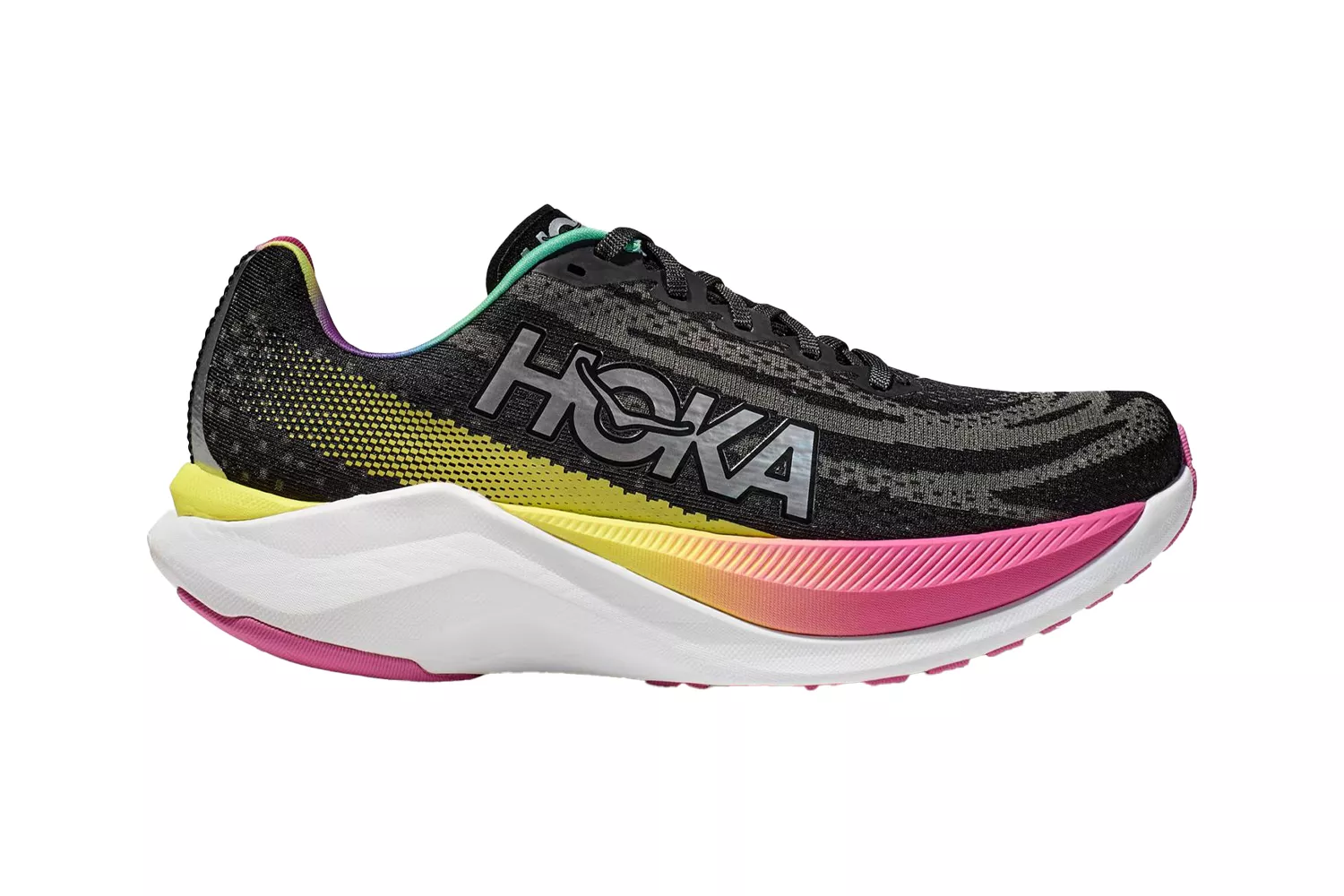
4. Best for Speed & Racing: Hoka Cielo X1 3.0 & Mach X
When the clock is ticking, Hoka turns to carbon fiber propulsion. The Cielo X1 3.0 is a pure racing flat with a winged carbon plate tucked between two layers of PEBA foam. It is incredibly aggressive and designed for PR attempts. However, for most runners, the Mach X is the better daily performance choice.
The Mach X is lightweight hoka shoes for speedwork and racing that combines a Pebax plate with a resilient foam blend. It offers high energy return without the extreme instability of a pure racer. We found the Mach X to be the perfect companion for tempo runs where you want to feel fast but still need enough protection for a 10-mile workout.
- Mach X Weight: 9.4 oz
- Drop: 5mm
- Best For: Tempo runs and non-elite racing
Pros
- Snappy energy return from the plate.
- More durable than pure "super shoes."
- Excellent lockdown at high speeds.
Cons
- Expensive for a non-marathon shoe.
- Plate can feel harsh on very slow recovery days.
5. Best for Trail Running: Hoka Speedgoat 6 & Tecton X 3
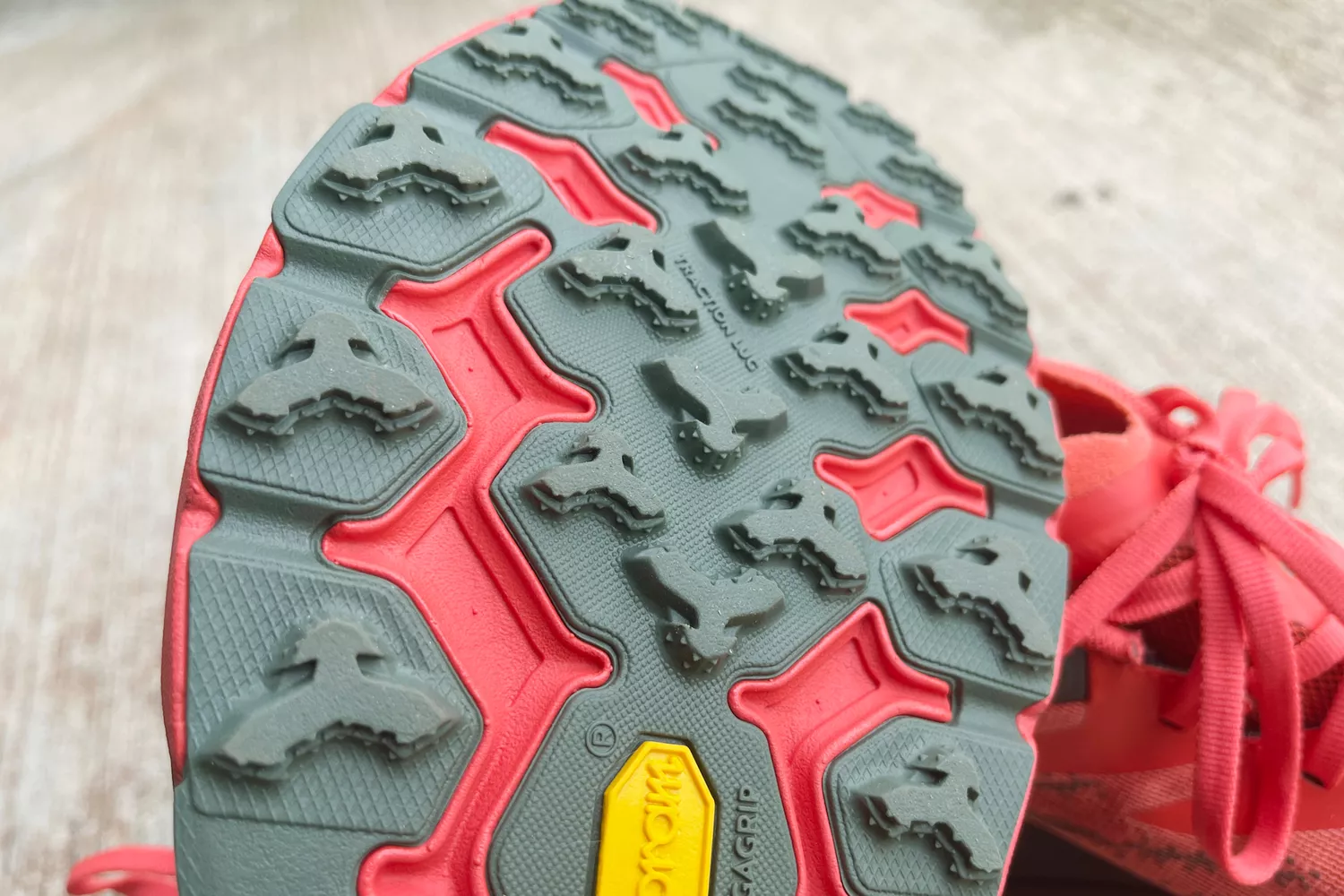
The Speedgoat 6 remains the benchmark for technical trail performance. It features a Vibram Megagrip outsole with redesigned 5mm lugs that provide incredible traction on mud, loose rock, and wet roots. It is arguably the best hoka trail running shoes for beginners because the wide platform provides a sense of security on uneven terrain.
For those who want to race on dirt, the Tecton X 3 is the evolution of speed. It features dual carbon fiber plates that act like independent suspension for your feet. This allows the shoe to remain propulsive on flats while adapting to the contours of technical trails.
- Speedgoat 6 Weight: 9.8 oz
- Tecton X 3 Weight: 8.8 oz
- Best For: Technical trails and mountain racing
Pros
- Vibram Megagrip outsole is best-in-class for grip.
- Protective toe cap for rock strikes.
- Responsive enough for vertical climbs.
Cons
- Speedgoat upper can feel tight on high-volume feet.
- Tecton X 3 is a significant investment for casual hikers.
The One We Don't Recommend: Hoka Anacapa 2 Low GTX
While Hoka makes excellent gear, the Anacapa 2 Low GTX misses the mark for runners. It is marketed as a hybrid, but in our testing, it is far too stiff and heavy for running. The heel geometry is exaggerated in a way that feels awkward during a running stride, often leading to a "slapping" sensation on the pavement. If you need a shoe for daily walking or light commuting, the Hoka Transport is a much more comfortable and better-designed alternative. In a hoka running shoes for wide feet comparison, the Anacapa also feels restrictive in the forefoot, making it a poor choice for high-mileage comfort.
Buyer’s Guide: How to Choose Your Hoka Drop and Fit
Choosing the right Hoka comes down to three factors: drop, volume, and intended use.
First, consider the heel-to-toe drop. Hoka traditionally used a low 4mm or 5mm drop to promote a midfoot strike. However, the new Clifton 10 uses an 8mm drop, which is better for runners with tight calves or those transitioning from brands like Brooks or Mizuno. A higher drop reduces the workload on your lower legs but puts a bit more stress on the knees.
Second, check for a hoka running shoes for wide feet comparison. Hoka has significantly improved their wide (2E) and extra-wide (4E) offerings in models like the Bondi, Clifton, and Arahi. If you have a high-volume foot, look for these specific widths to avoid the "pinky toe pinch" that some older Hoka models were known for. Finally, remember that Hoka midsoles generally last about 400 to 500 miles. Once you see significant creasing in the foam or feel a loss of that "signature bounce," it is time for a replacement.
FAQ
Which Hoka running shoe has the most cushioning?
The Bondi 9 is the most cushioned shoe in the Hoka lineup. It features the highest midsole stack height and the plushest super critical EVA foam, specifically designed for maximum impact protection and recovery runs.
Are Hoka shoes good for runners with flat feet?
Yes, Hoka offers several models specifically for flat feet. The Gaviota 6 and Arahi 7 use H-Frame and J-Frame technology to provide stability and support for the arch, and many of these models carry the APMA Seal of Acceptance.
What is the difference between Hoka Clifton and Hoka Bondi?
The Clifton is a lighter, more versatile daily trainer with a moderate amount of cushioning. The Bondi is heavier, wider, and much more cushioned, making it better for slow recovery runs or runners who need maximum joint protection.
How many miles do Hoka running shoes last?
Most Hoka running shoes are designed to last between 400 and 500 miles. The super critical foams used in 2025 models are more durable than older versions, but the lifespan depends on your weight, running surface, and gait.
Are Hoka running shoes worth the money?
For many runners, yes. The combination of Meta-Rocker geometry and high-grade foam provides a unique ride that reduces impact on the joints. Their specialized designs for stability and trail performance often justify the premium price point.
Which Hoka shoe is best for long distance running?
For most long-distance road runners, the Clifton 10 or Bondi 9 are the best choices depending on your preference for weight versus cushion. For trail ultramarathons, the Speedgoat 6 is the industry favorite.