Quick Facts
- Top Overall: Fitbit Charge 6 (Versatility & Google integration)
- Best for Athletes: Garmin Forerunner series (VO2 Max & GPS)
- Best for Recovery: Oura Ring / WHOOP 4.0 (HRV & Sleep Architecture)
- Best Budget: Fitbit Inspire 3 / AmazFit Band 7
- Primary Focus: Modern wearables now prioritize readiness scores and heart rate variability (HRV) over simple step counting.
- Market Trend: Wearable technology has been named the number one global fitness trend for 2024 by the American College of Sports Medicine.
The best fitness trackers of 2024 prioritize comprehensive biometric data, with the Fitbit Charge 6 leading for overall versatility due to its built-in GPS, ECG sensors, and smartphone integration. For high-performance athletes, the Garmin Forerunner series provides advanced metrics such as VO2 max, training effect feedback, and precise running dynamics. Users seeking a discrete experience often opt for the Oura Ring, which focuses on holistic health and sleep architecture through research-grade temperature and heart rate sensors.
Modern wearables now place a heavy emphasis on recovery tracking and heart rate variability (HRV). Devices like WHOOP and the Oura Ring analyze sleep stages and biometric strain to provide daily readiness scores, helping users determine when to train at high intensity or focus on rest. These trackers use optical sensors and SpO2 monitoring to calculate caloric expenditure and respiratory rates, offering a 360-degree view of physical health beyond simple step counting.
Best Fitness Trackers for Performance Athletes
For those who live by their split times and power zones, precision isn't just a preference—it is a requirement. The landscape for high-end performance devices has shifted toward providing actionable data rather than just raw numbers. While many general wearables offer some form of tracking, top rated fitness trackers with built-in gps for runners have become the industry gold standard for those training for marathons or triathlons.
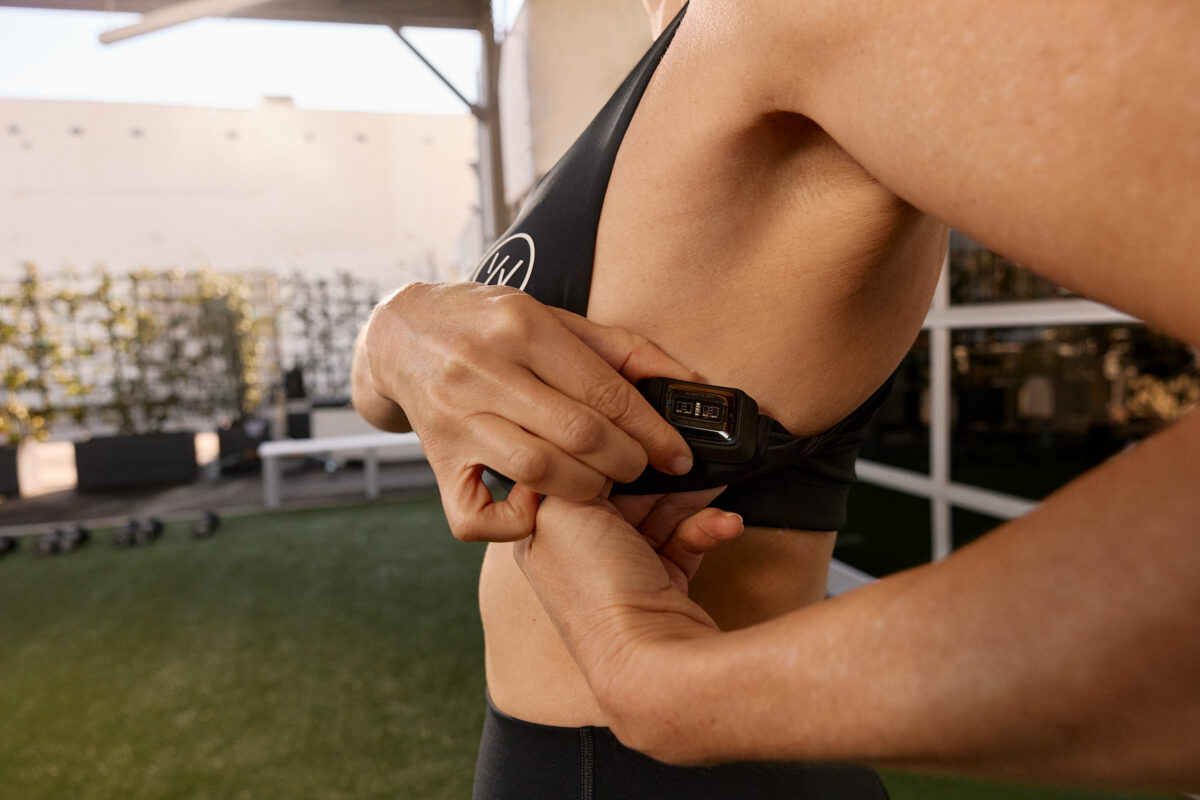
The Garmin Forerunner series, particularly the 255 and 965 models, stands as the benchmark in this category. These devices move beyond basic heart rate to provide insights into training effect—measuring how much a specific workout improves your aerobic and anaerobic fitness. For those engaged in high-intensity intervals, finding the most accurate fitness wearables for gym training and crossfit means looking for devices that can handle rapid heart rate fluctuations, often utilizing advanced wearable heart rate monitors that sit snugly against the wrist to minimize light leakage.
Garmin Forerunner 965: The Gold Standard
- Battery: Up to 23 days in smartwatch mode
- Sensors: Multi-band GPS, SatIQ, Wrist-based heart rate, Pulse Ox
- GPS: Built-in (Multi-band)
- Price: Approximately $599
Unlike basic models that rely on a phone for location data, these units utilize built-in GPS to provide real-time pacing and distance metrics. This is critical for accuracy in dense urban environments or under heavy tree cover. Furthermore, athletes can monitor their VO2 max and lactate threshold to fine-tune their training blocks.
Leading Technology for Recovery and Sleep
The most significant shift in fitness tracking technology for recovery is the transition from "active minutes" to "readiness." We are no longer just asking how hard we worked; we are asking if our bodies are prepared to work hard again. This paradigm shift is fueled by the analysis of sleep architecture and heart rate variability (HRV).
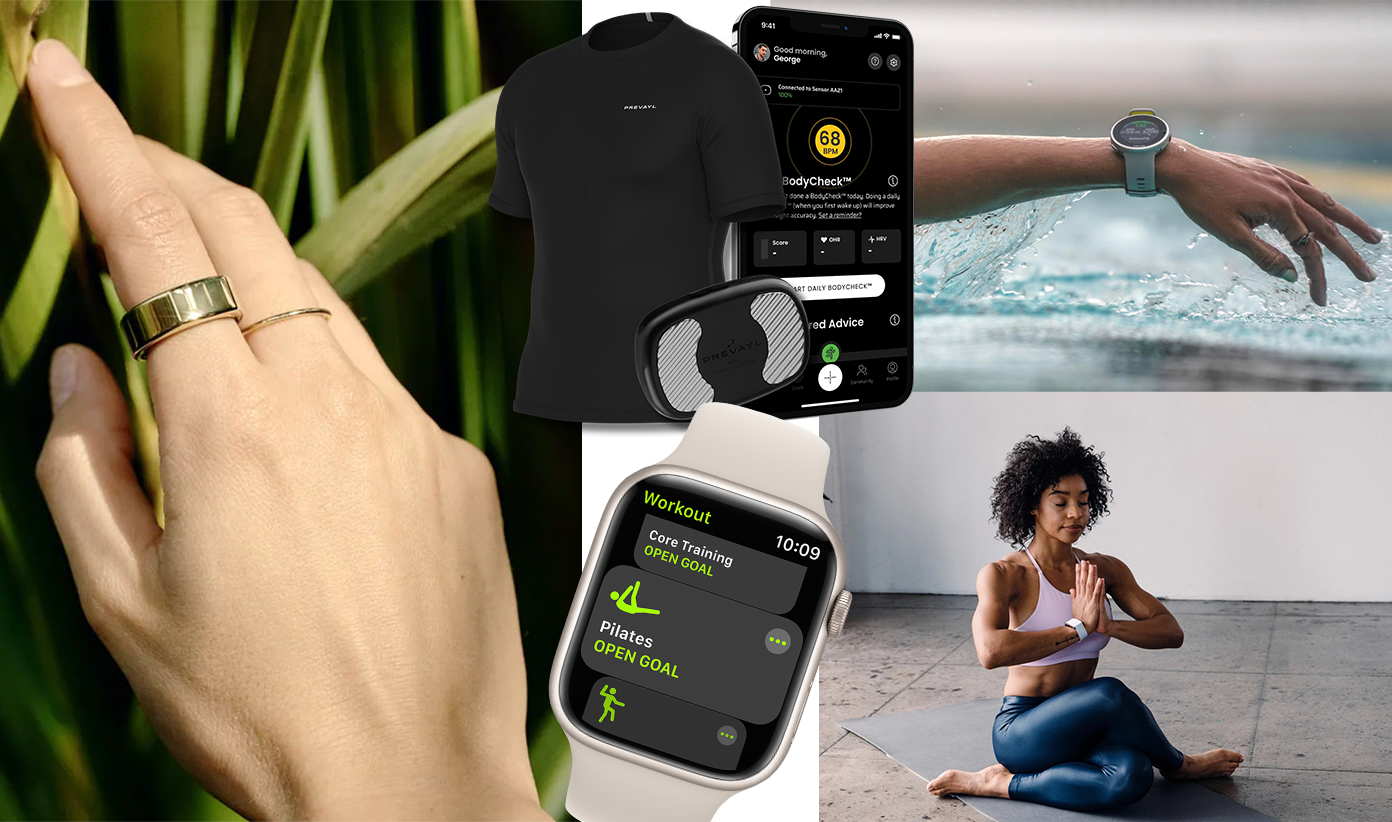
Devices like the WHOOP 4.0 and the Oura Ring Gen3 have pioneered this biohacking space. Instead of a bright screen that distracts you with notifications, these wearables focus on quiet, continuous monitoring. They look at your REM, deep sleep, and light sleep stages to provide a comprehensive recovery score. By monitoring SpO2 monitoring and skin temperature fluctuations overnight, these devices can often flag an impending illness or the effects of overtraining before you even feel the symptoms.
Oura Ring Gen3: Minimalist Health
- Battery: 4-7 days
- Sensors: Research-grade temperature, PPG, Accelerometer
- GPS: N/A (Uses connected GPS)
- Price: Starts at $299 (Plus subscription)
When conducting a fitness tracker vs smart ring comparison, the choice usually comes down to form factor. The Oura Ring is preferred by those who find wrist-worn devices uncomfortable during sleep. It provides best wearables for heart rate variability and recovery tracking by measuring the pulse from the arteries in your finger, which some studies suggest can be more accurate than the wrist for certain biometric sensors.
Best Budget and Entry-Level Wearables
You don't need to spend half a month's rent to get a clear picture of your health. The global fitness tracker market is estimated to be valued at approximately $60.9 billion in 2024, and a large portion of that growth comes from highly capable, affordable devices. For beginners, the best budget fitness trackers 2024 for beginners offer a low-stakes entry point into data-driven wellness.
The Fitbit Inspire 3 and the Amazfit Band 7 are the standout leaders here. These devices prioritize the essentials: step counting, 24/7 heart rate monitoring, and long battery life. In fact, many budget trackers outperform their premium counterparts in longevity, with some lasting over two weeks on a single charge. They also integrate seamlessly into health dashboards that simplify complex data into easy-to-read charts for caloric expenditure and daily activity trends.
Fitbit Inspire 3: The Essential Tracker
- Battery: Up to 10 days
- Sensors: Optical heart rate, SpO2, Accelerometer
- GPS: Connected GPS (requires phone)
- Price: Approximately $99
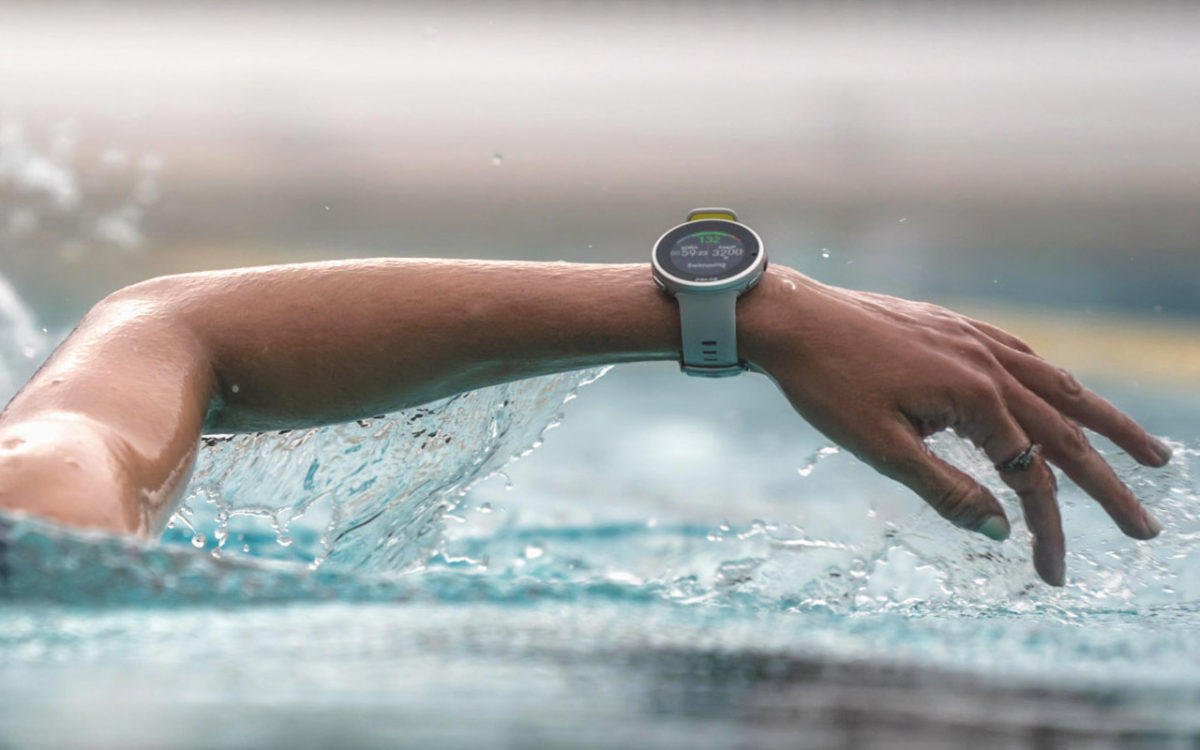
For those who enjoy aquatic workouts, finding waterproof fitness trackers for swimming and pool workouts is surprisingly easy in the budget category. Most entry-level bands now carry a 5ATM rating, meaning they can handle lap swimming and shallow diving without issue.
Buyer’s Guide: How to Choose Your Wearable
Navigating a fitness wearable comparison can be daunting given the sheer volume of choices. To make the right investment, you need to understand the hardware under the hood. Most trackers use optical PPG (photoplethysmography) sensors, which use green light to measure blood flow. Premium models may include ECG (electrocardiogram) sensors to detect irregular heart rhythms, though these usually require a manual "spot check" by touching the device.
Expert Tip: Consider the "hidden" costs. Many modern trackers, such as Fitbit and WHOOP, require monthly subscription insights to unlock their most advanced data analytics. Always factor in the total cost of ownership over two years when comparing prices.
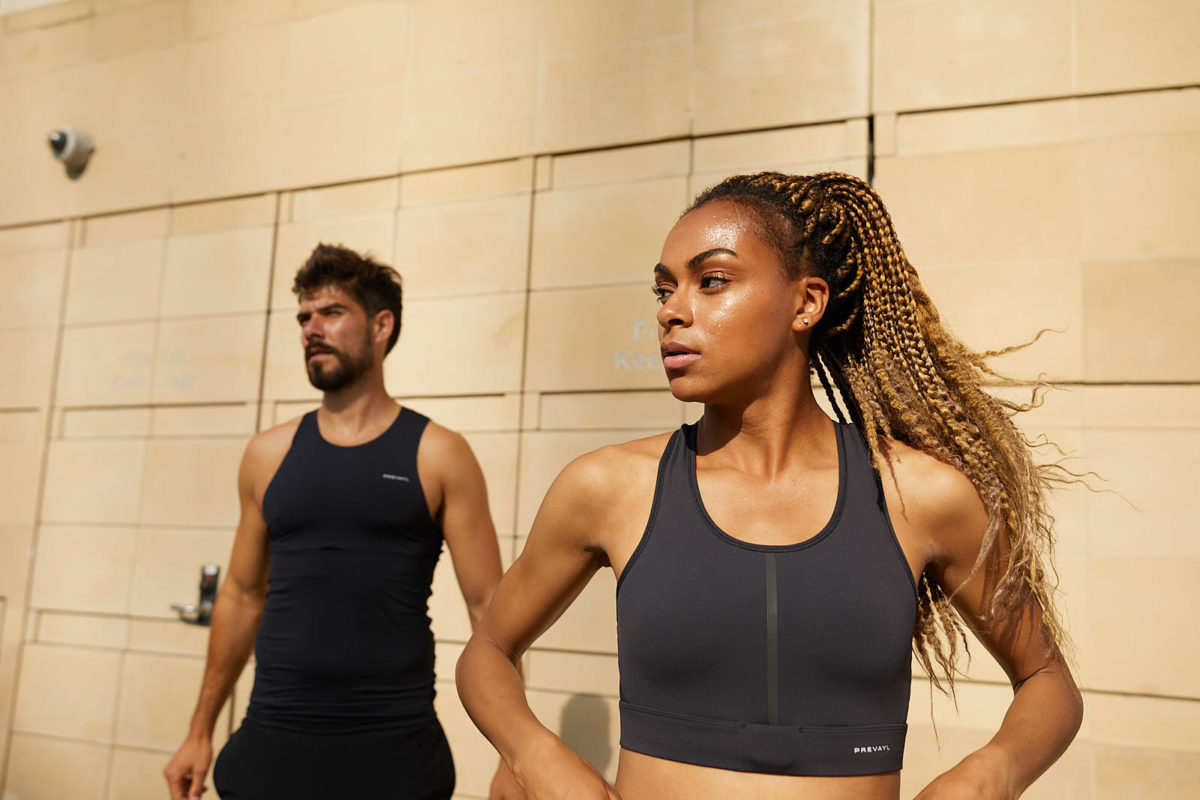
Another consideration is the level of smartphone integration you require. Do you want to take calls and use contactless payments from your wrist, or do you want a device that helps you disconnect? Interestingly, innovative smart clothing options like Prevayl offer an alternative for those who prefer discrete, screen-free monitoring integrated directly into performance activewear, removing the need for a wristband altogether.
| Feature | Fitness Tracker | Smartwatch | Smart Ring |
|---|---|---|---|
| Primary Use | Activity & Health | Productivity & Apps | Sleep & Recovery |
| Battery Life | 7 - 14 Days | 1 - 3 Days | 4 - 7 Days |
| Best For | Casual Users / Athletes | Professionals | Minimalists |
FAQ
What is the most accurate fitness tracker for heart rate?
For most users, the Apple Watch Series 9 and the Garmin Epix Pro are currently regarded as having the most accurate wrist-based optical sensors for heart rate. However, for 100% precision during high-intensity interval training, pairing any tracker with a dedicated chest strap remains the gold standard.
Are fitness trackers actually worth the money?
Yes, provided you use the data to change your behavior. Research shows that users who wear fitness trackers increase their daily step counts and are more aware of their sleep hygiene. With the market projected to grow to $162.8 billion by 2030, the technology is only becoming more integrated into preventative healthcare.
What is the difference between a fitness tracker and a smartwatch?
The distinction primarily lies in the feature set. A fitness tracker is designed specifically for health metrics and usually offers a longer battery life and a slimmer profile. A smartwatch, like the Apple Watch or Samsung Galaxy Watch, acts as an extension of your phone, offering apps, cellular connectivity, and advanced smartphone integration, but often at the cost of daily charging.
Which fitness trackers are best for tracking sleep?
The Oura Ring Gen3 and WHOOP 4.0 are widely considered the leaders in sleep tracking because they analyze sleep architecture without the discomfort of a bulky watch. They provide detailed breakdowns of deep and REM sleep while monitoring disruptions throughout the night.
Do fitness trackers need a subscription to work?
It depends on the brand. Garmin and Apple currently do not charge a subscription for health data. However, Fitbit (Premium) and Oura require monthly fees to access deep-dive analytics and long-term trend reports. WHOOP is entirely subscription-based; you pay for the service and get the hardware included.
What features should I look for in a fitness tracker?
Focus on your primary goal. If you are a runner, prioritize built-in GPS. If you are focused on wellness, look for high-quality biometric sensors for HRV and sleep. Regardless of your goal, ensure the device has a water resistance rating of at least 5ATM and a battery life that fits your lifestyle.