Quick Facts
- The Gold Standard: Noxgear Tracer2 for 360-degree active illumination.
- Best Jacket: Brooks Run Visible for micro-glass lens technology.
- Budget Pick: GoxRunx vest with 800-foot visibility range.
- Key Safety Stat: Proper gear increases driver detection distance from 100ft to 500ft.
- Bio-motion Tip: Focus lights on moving limbs like ankles and wrists for faster recognition.
- Key Conclusion: The best reflective running gear for 2025 combines passive retroreflective materials with active LED systems.
The best reflective running gear for 2025 includes 360-degree visibility tools like the Noxgear Tracer2 vest, which uses fiber optic cables for active illumination. Expert testing highlights the Brooks Run Visible jacket and Sugoi Zap 2 for their use of micro-glass lenses and weather-resistant fabrics. For runners on a budget, options like the Baleaf windbreaker and GoxRunx vest provide effective passive reflectivity and wind protection at a lower price point.
| Feature | Noxgear Tracer2 (Best Overall) | Brooks Run Visible (Best Jacket) | GoxRunx Vest (Best Value) |
|---|---|---|---|
| Visibility Type | Active LED/Fiber Optic | Passive Retroreflective | Passive Retroreflective |
| Visibility Range | 1/4 Mile+ | 600+ Feet | 800 Feet |
| Weight | 7 oz | Variable (Apparel) | 6.5 oz |
| Best For | Total Night Safety | Rain & Cold Weather | Budget-Conscious Runners |
The Science of Visibility: Why Gear Matters
When you step out for a run after the sun goes down, you are entering a high-stakes environment. Data indicates that approximately 76% of pedestrian fatalities occur in dark conditions, even though only about a quarter of all travel happens after sunset. As your safety coach, I cannot stress enough that being seen is not just about wearing bright colors; it is about the science of light return and human recognition.
There is a distinct difference between high visibility running clothes designed for daytime and gear designed for the night. Fluorescent colors like neon yellow or orange are fantastic for dawn and dusk because they react with UV rays to appear brighter. However, once it is truly dark, these colors lose their effectiveness. This is where reflective running gear becomes essential. These materials use passive reflectivity, often utilizing micro-glass lenses, to bounce light from car headlights back toward the driver.
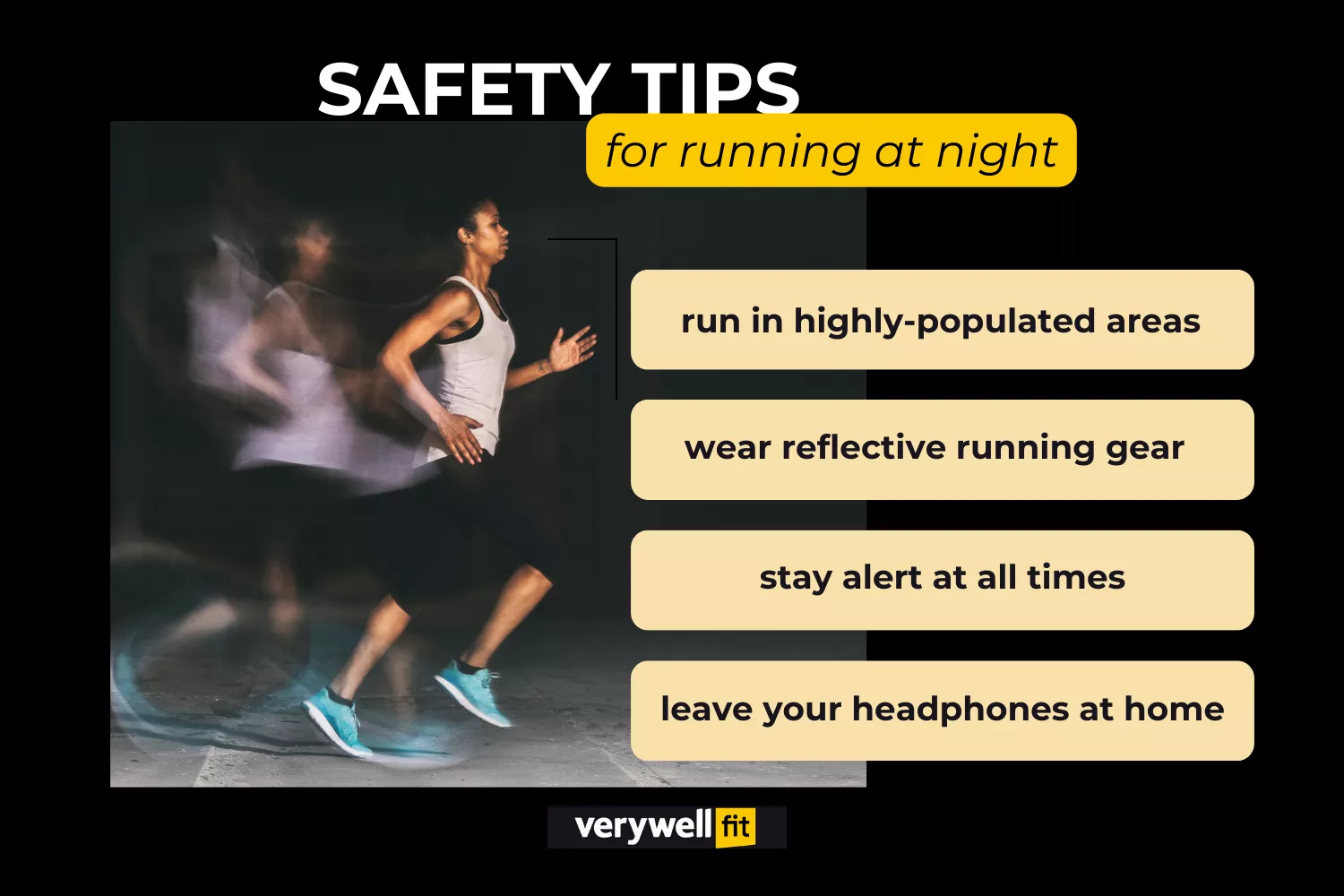
One of the most important concepts we test for is bio-motion. Humans are hardwired to recognize the movement of other humans. By placing reflective accents or lights on your moving limbs—your wrists and ankles—you help a driver’s brain register you as a person rather than a road sign or a stationary object. In fact, a randomized controlled trial found that wearing conspicuity-enhancing gear reduced the risk of collisions with motor vehicles by 55%.
Best Reflective Running Vests for 360-Degree Safety
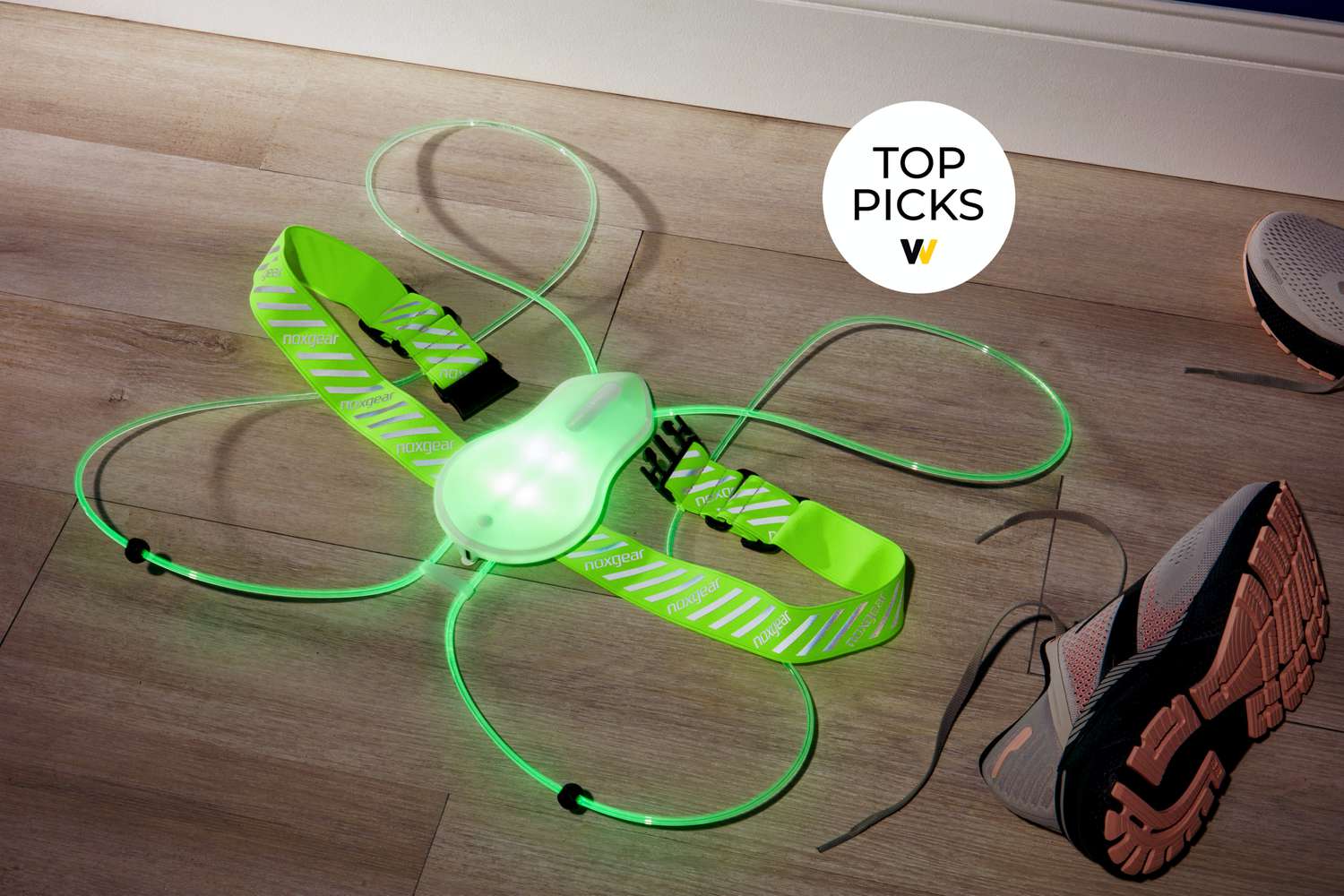
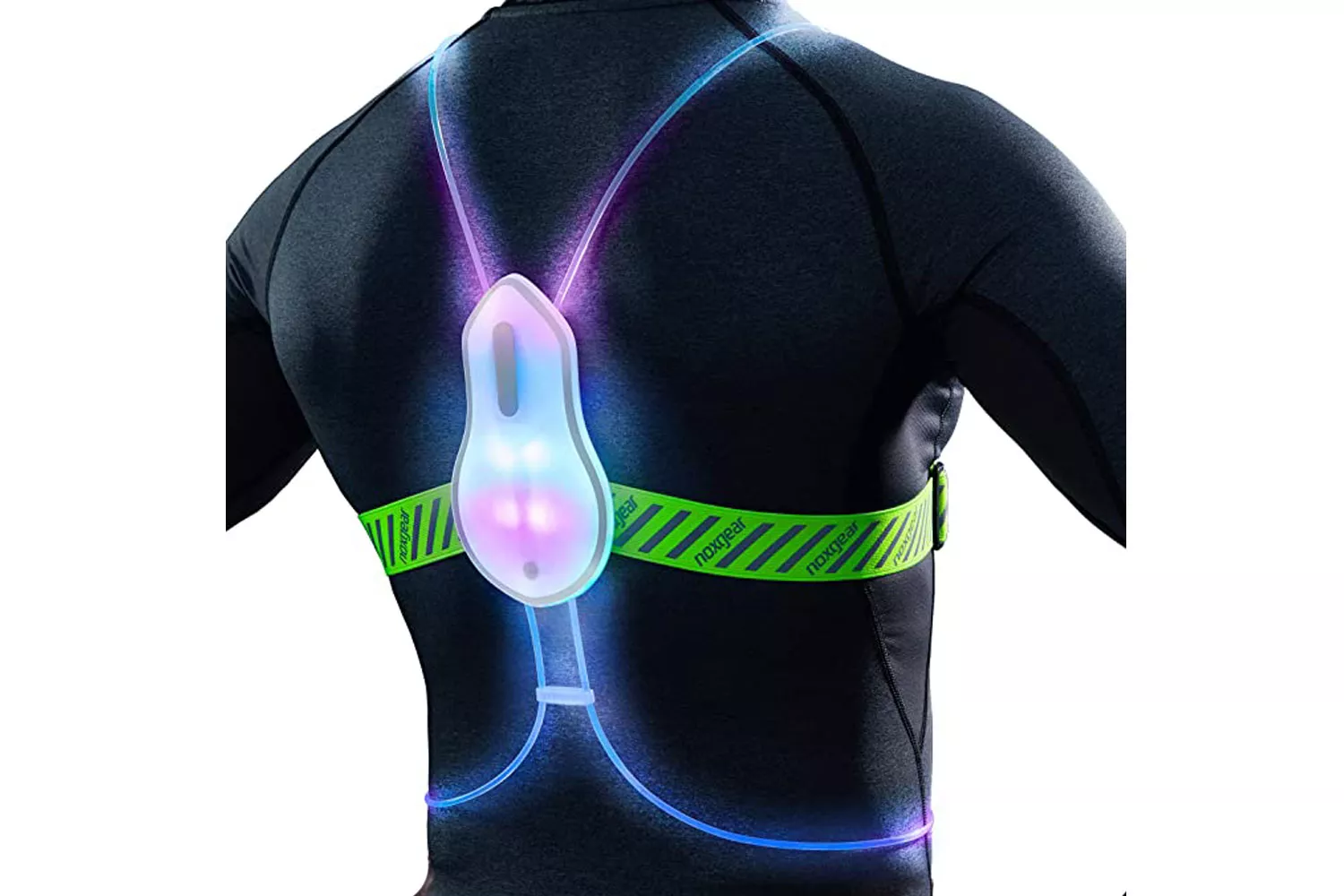
The reflective running vest remains the most versatile piece of equipment in any runner's arsenal. It fits over any outfit, from a summer tank top to a heavy winter parka. In our 2025 testing, the Noxgear Tracer2 emerged as the undisputed champion for active illumination. Unlike traditional vests that rely on external light sources, the Tracer2 uses fiber optic cables to produce its own light.
Who It's For: The dedicated night runner who frequently shares the road with heavy traffic and wants 360 degree illuminated reflective running vest reviews that prioritize being seen from over a quarter-mile away.
Noxgear Tracer2 Pros & Cons:
- Pros: Incredible battery life (up to 40 hours), lightweight (7 oz), and offers multiple color modes to stand out.
- Cons: Requires charging via USB-C; fiber optic cables can feel slightly stiff initially.
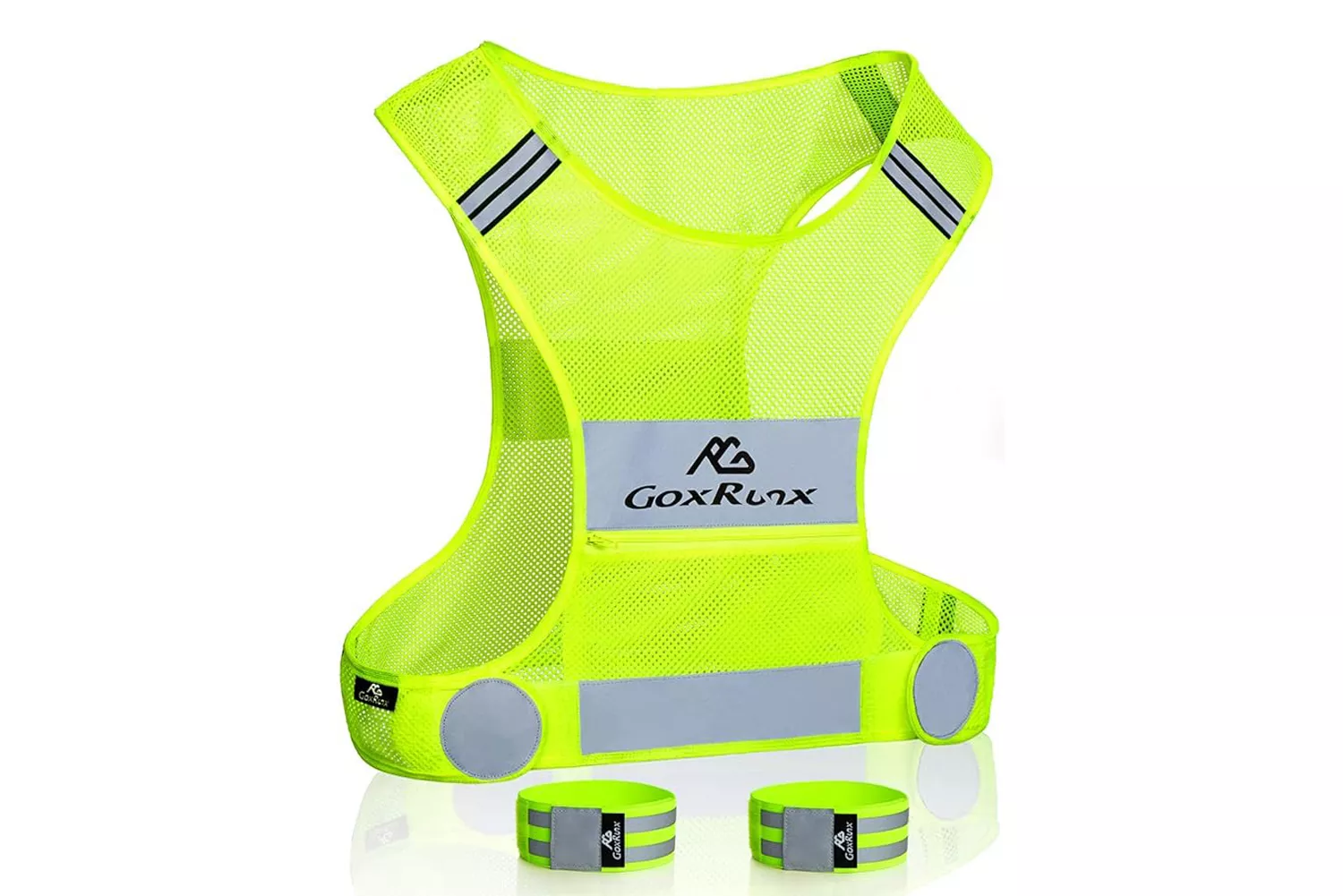
For those looking for a more traditional approach, the GoxRunx vest is our top budget pick. It relies on passive reflectivity but does so with incredible efficiency. It is designed with breathable mesh and adjustable cinch straps to prevent bouncing during high-intensity intervals. Testing showed that this vest can increase driver detection distances from under 100 feet to over 500 feet, providing drivers with five to eight additional seconds of reaction time.
GoxRunx Vest Pros & Cons:
- Pros: Extremely affordable, 800-foot visibility range, very breathable for summer runs.
- Cons: No active light source; effectiveness depends entirely on external headlights.
High-Visibility Jackets and Apparel for Cold Weather
As the temperature drops, the requirement for safety doesn't disappear; it just gets bundled. Effective winter reflective running gear for sub zero temperatures must balance low-light visibility with technical features like thermal insulation and wind resistance.
The Brooks Run Visible jacket is the gold standard for integrated high visibility running clothes. Instead of just adding a few strips of tape, Brooks worked with scientists to place high-contrast materials and reflective accents in areas that highlight the human form in motion. It utilizes micro-glass lenses that are embedded into the fabric, creating a brilliant glow when hit by headlights.
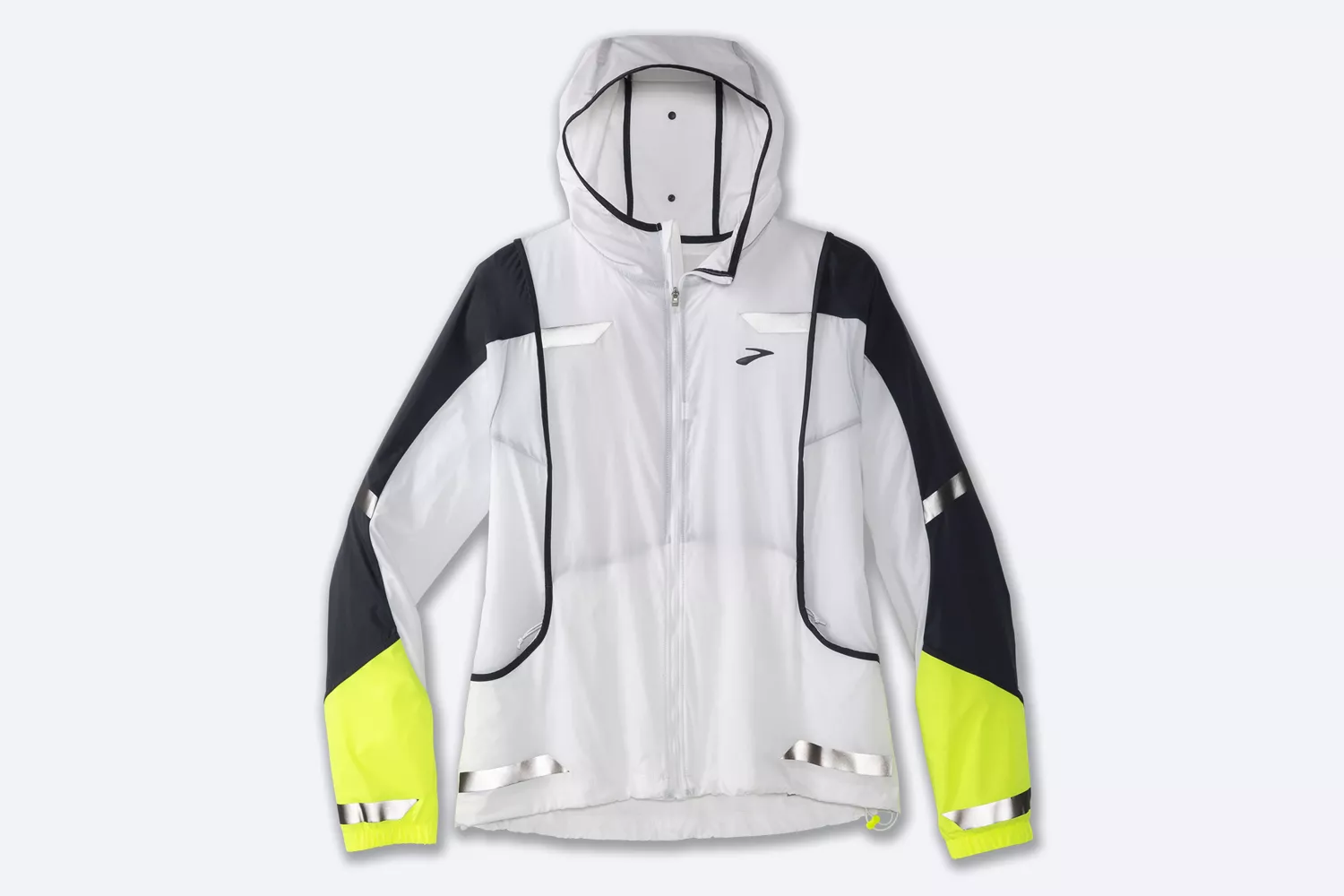
Who It's For: Runners who need a waterproof reflective running jacket for cold weather that doesn't compromise on style or breathability.
If you are dealing with extreme moisture or freezing rain, the Sugoi Zap 2 is another standout. The entire surface of the jacket is treated with Zap tech—thousands of small glass beads that turn the entire garment into a beacon at night. It is a fantastic example of how passive reflectivity can be integrated into high-performance, weather-resistant fabrics. When choosing your winter kit, remember the 15-degree rule: dress as if it is 15 degrees warmer than the actual temperature, but ensure every layer has reflective piping.
Essential Accessories: LED Safety Lights and Armbands
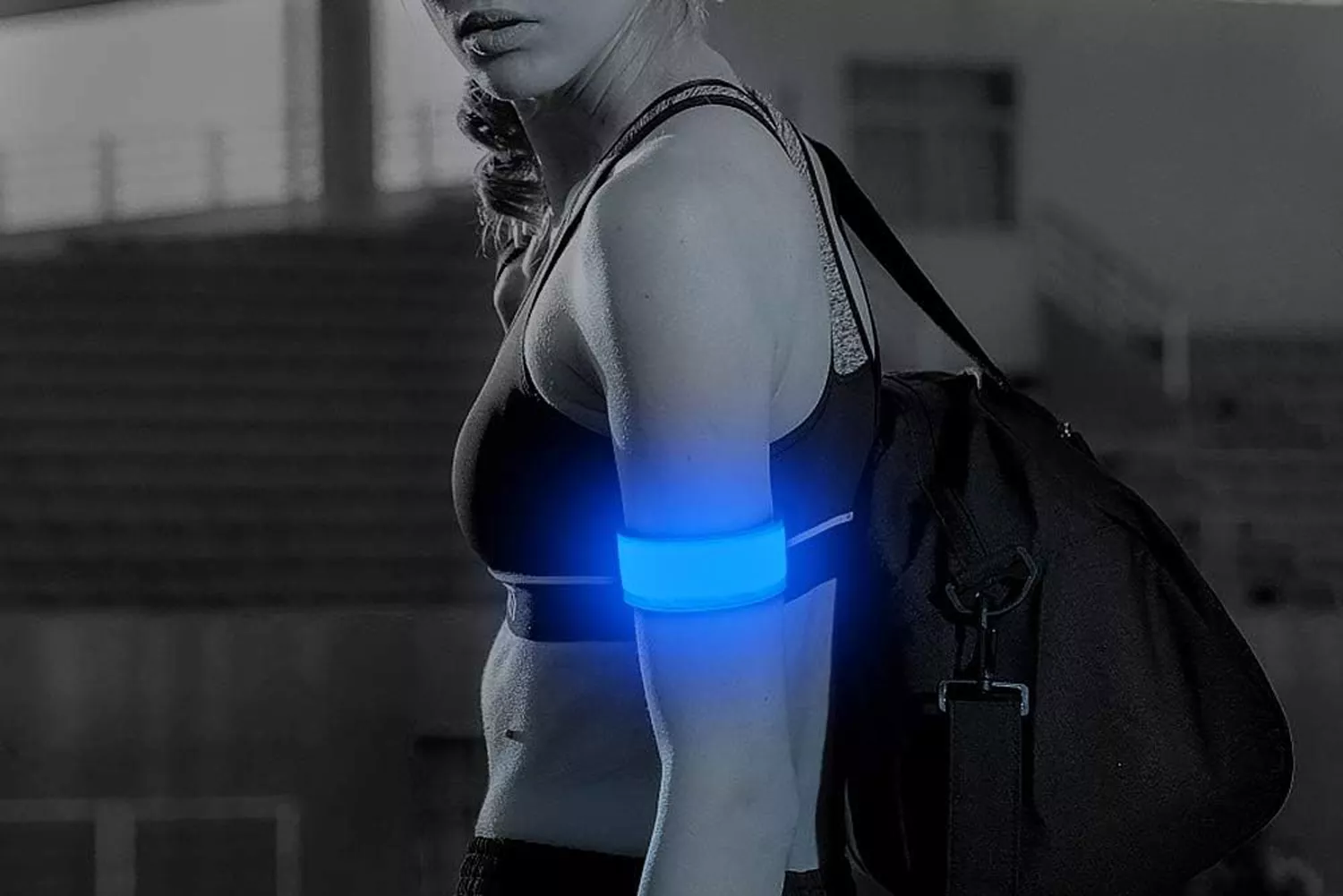
Sometimes a full vest or jacket is overkill, or perhaps you just want to supplement your existing gear. This is where led safety lights and armbands for night runners come into play. Small, clip-on lights like the BioLite Dash 450 can be attached to a waistband or a hat brim to provide both a path light and a rear-facing red strobe.
The "motion signaling" benefit of ankle lights cannot be overstated. By placing a blinking LED on your ankle, you are creating a rhythmic up-and-down motion that drivers instantly recognize as a human gait. This is a much faster cognitive trigger for a driver than a single stationary light on your chest.
Accessory Checklist:
- LED Armbands: Look for USB-C rechargeable versions to save money on batteries.
- Clip-on Strobes: Ensure they have a secure "no-bounce" clip.
- Ankle Bands: High-visibility yellow with integrated LED strips.
Buyer's Guide: Maintenance and Care
High-quality reflective running gear is an investment in your life, and like any piece of technical equipment, it requires proper care. Many runners are surprised to learn that reflective clothing can wear out over time. The microscopic glass beads or metallic coatings that provide passive reflectivity can be stripped away by harsh detergents or high heat.
When cleaning your gear, always use cold water and a gentle cycle. Avoid fabric softeners at all costs, as they leave a film that can dull the reflective properties. The best practice is to air dry your reflective running jacket and vests. Not only does this preserve the reflectivity, but it also protects the elastic fibers and waterproof membranes often found in technical running apparel.
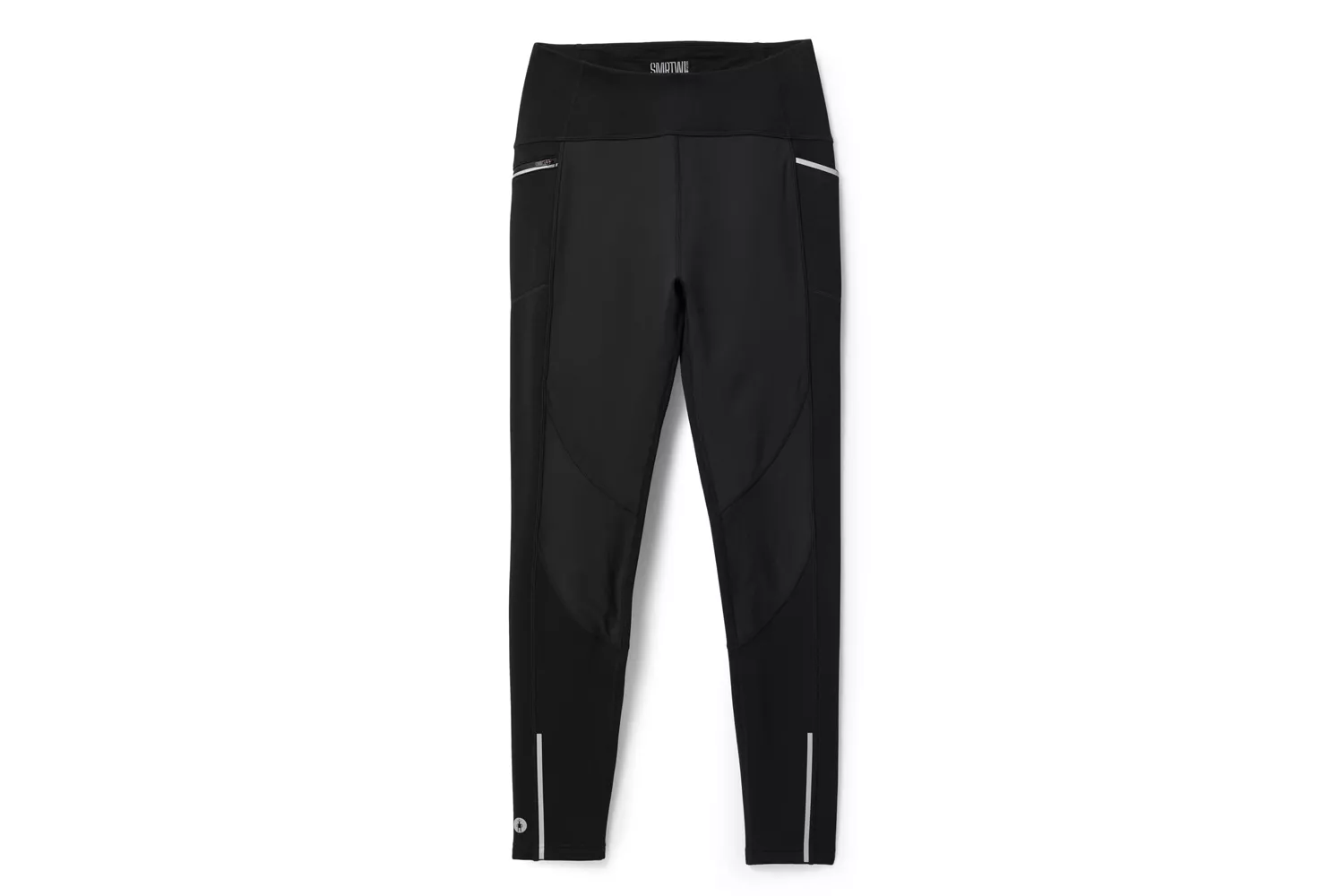
Before you head out, do a quick "bounce test" in front of a mirror. Ensure your gear fits snugly but allows for a full range of motion. If you are a beginner looking for budget high visibility running clothes for beginners, start with a basic vest and a pair of LED armbands. As you become more consistent with your night training, you can invest in more specialized items like thermal reflective tights or windbreakers.
Expert Tip: To check if your old reflective gear still works, take a photo of it in a dark room with your phone's flash turned on. If the material doesn't "pop" in the photo, the glass beads have likely worn off, and it's time for a replacement.
FAQ
What is the best reflective gear for running at night?
The best gear for night safety is a combination of active and passive systems. For most runners, a vest like the Noxgear Tracer2 is the top choice because it provides active illumination that does not rely on car headlights to be visible. Supplementing this with reflective accents on moving limbs creates the highest level of safety.
Is reflective or high-visibility gear better for runners?
They serve different purposes. High-visibility (fluorescent) gear is best for daytime, dawn, and dusk because it uses ambient UV light to glow. Reflective gear is essential for night because it uses retroreflective materials to bounce light from vehicle headlights back to the driver. For the best protection, wear a mix of both.
How does reflective running gear work?
Most reflective gear uses retroreflection, which involves either tiny glass beads or prismatic elements. When a light source, like a car headlight, hits these elements, the light is reflected directly back toward the source rather than scattering in all directions. This makes the runner appear significantly brighter to the driver.
Does reflective clothing wear out over time?
Yes, the reflective coating can degrade. Factors like frequent machine washing, high-heat drying, and general abrasion from use can cause the microscopic glass beads to fall off. On average, a high-quality reflective garment will maintain its peak effectiveness for about 30 to 50 washes if handled with care.
How much reflective gear should I wear for safety?
The goal is 360-degree visibility. You should have reflective elements on your front, back, and both sides. Experts recommend the "triangle of safety": something on your torso, something on your moving limbs (wrists/ankles), and an active light source if you are running in areas without streetlights.
Can you wash reflective running clothes in a machine?
You can wash most reflective running gear in a machine, but you must use a delicate cycle with cold water. Never use fabric softeners or bleach, and always hang the items to air dry. Heat from a dryer is the fastest way to ruin the reflective properties of your technical apparel.