Quick Facts
- Source: Derived from Salvia hispanica seeds.
- Primary Nutrient: 50-60% Alpha-linolenic acid (ALA).
- Key Benefit: Reduces scalp transepidermal water loss by 13.8%.
- Clinical Timeline: 8 weeks for significant scalp improvement.
- Texture: Lightweight, non-greasy emollient.
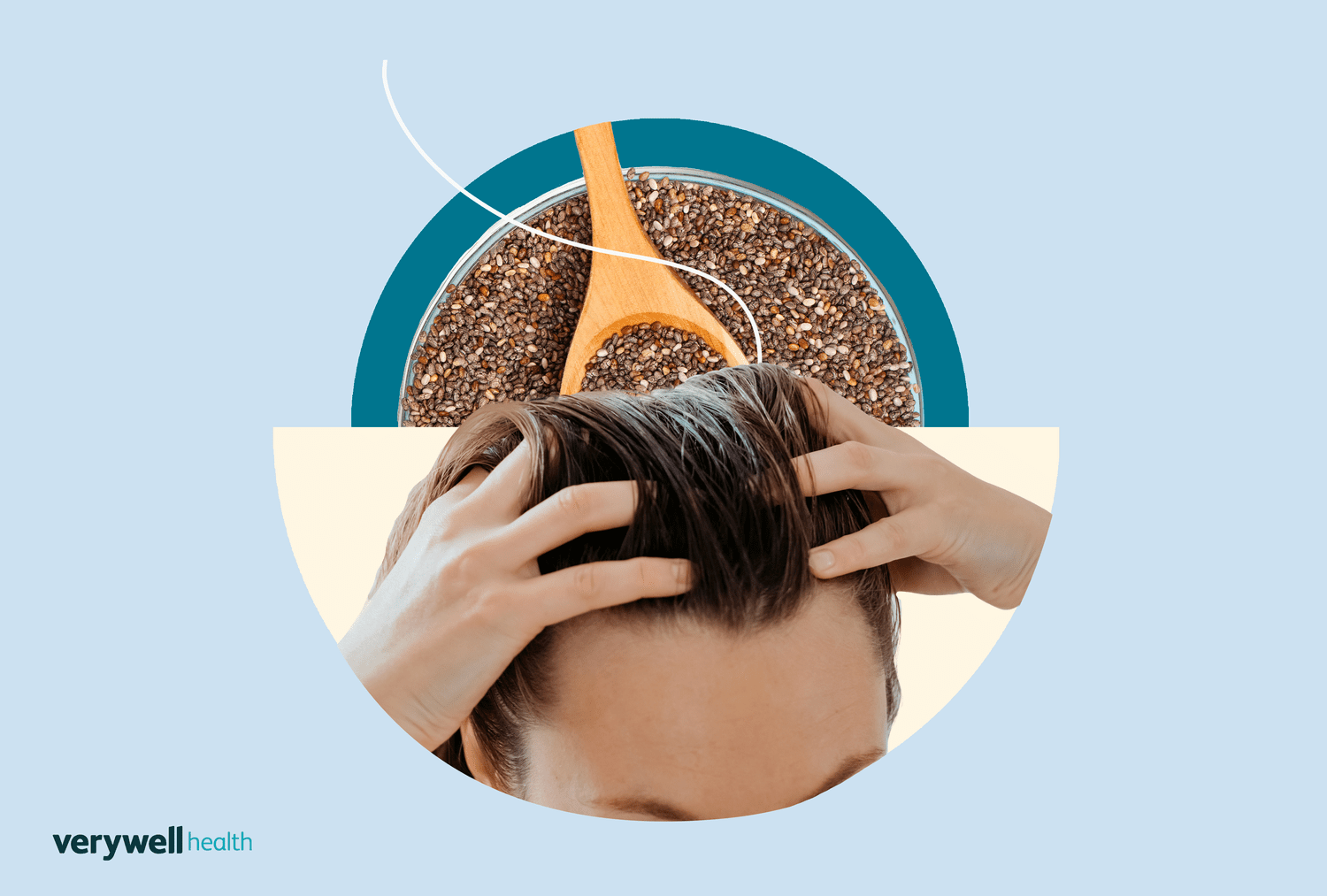
Chia seed oil is a potent source of alpha-linolenic acid, an essential omega-3 fatty acid that supports scalp health and follicle vitality. Its anti-inflammatory properties help reduce dryness and itching, creating an optimal environment for hair to grow stronger and more resilient from the root.
The Biochemistry of Growth: Why Chia Seed Oil Works
In my years as an editor focusing on botanical extracts, I have seen many trends come and go. However, the science behind Salvia hispanica, commonly known as chia, stands out because of its unique chemical composition. Most people know chia as a superfood, but its oil is a treasure trove of essential fatty acids that are critical for those struggling with thinning or brittle hair.
The reason chia seed oil is so effective lies in its concentration of omega-3 fatty acids for hair growth. Specifically, it is a highly concentrated source of alpha-linolenic acid (ALA), an omega-3 fatty acid that typically accounts for 50% to 60% of its total fatty acid composition. ALA is the precursor to other vital fatty acids, and when applied to the scalp, it provides the building blocks for healthy cellular membranes.
Beyond ALA, this oil contains a significant amount of Linoleic Acid (17-22%), which helps maintain the skin barrier. From a clinical perspective, we look at how these oils influence Arachidonic Acid, a compound that can stimulate the hair growth factors within the follicle. Unlike many heavy oils that just sit on the surface, the lightweight nature of chia seed oil allows it to support keratin support without clogging the pores. For those who prefer plant-based solutions over marine-sourced supplements, this is the gold standard for vegan omega-3s.
Topical vs. Oral: Two Paths to Hair Vitality
When readers ask me about the best way to utilize this botanical, I often emphasize that hair health is both an internal and external journey. When you ingest chia seed oil, the nutrients enter your bloodstream and reach the hair bulb via systemic circulation. However, for immediate relief of xerosis (dryness) and pruritus (itching), topical application for hair growth is incredibly efficient.
One of the most impressive clinical findings regarding this oil is its ability to soothe irritation. In research involving participants with sensitive scalps, it was found that 71% of subjects experienced a reduction in scalp redness after using a formulation derived from chia seed oil. This reduction in inflammation is a key part of scalp health and follicle vitality; an inflamed scalp is often a precursor to shedding and stunted growth.
By learning how to apply chia seed oil for hair growth through localized massage, you are not just moisturizing; you are encouraging sebum regulation. If your scalp is too dry, it overproduces oil, which can lead to dandruff. If it is too oily, it can stifle the follicle. Chia seed oil helps strike that perfect homeostatic balance. This is especially true for those looking into chia seed oil benefits for thinning hair and scalp health, as the oil provides a non-comedogenic way to nourish the skin.
Chia Seed Oil vs. Coconut Oil: Which Is Better for Hair?
While coconut oil has long been the darling of the natural hair community, it isn't always the best fit for every hair type or scalp condition. Coconut oil has a high molecular weight and can be comedogenic, meaning it might clog pores on the scalp. In contrast, chia seed oil offers a much lighter emollient action.
| Feature | Chia Seed Oil | Coconut Oil |
|---|---|---|
| Primary Fatty Acid | Alpha-linolenic acid (Omega-3) | Lauric acid (Saturated Fat) |
| Weight on Hair | Lightweight, non-greasy | Heavy, can lead to buildup |
| Penetration Style | Seals cuticle & protects | Deep penetration of the shaft |
| Scalp Suitability | Excellent for sensitive/oily scalps | Best for very dry/thick hair |
| Alpha-linolenic acid | 50-60% | Trace amounts |
When we look at chia seed oil vs coconut oil for hair growth, the primary advantage of chia is its superior hair cuticle protection. It creates a breathable barrier that prevents water loss without the greasy residue. If you have fine hair that is easily weighed down, chia is the clear winner.
DIY Rituals and Application Protocols
Incorporating this oil into your routine doesn't have to be complicated. Whether you are dealing with a diy chia seed oil hair mask for hair strength or simply mixing chia seed oil with shampoo for scalp health, consistency is the secret ingredient.
- The Scalp Serum Ritual: Take 3-5 drops of cold-pressed chia seed oil and massage it into your scalp using your fingertips for five minutes. This increases blood flow and ensures the alpha-linolenic acid reaches the follicles.
- The Shampoo Boost: For daily maintenance, add a few drops of the oil to your palm before mixing it with your favorite sulfate-free shampoo. This helps offset the drying effects of cleansing agents.
- The Deep Strength Mask: Mix two tablespoons of chia seed oil with one tablespoon of honey. Apply from root to tip. Use the "Warm-to-Cold" washing ritual: apply the mask and wrap your hair in a warm towel to open the cuticles for 20 minutes, then rinse with cool water to seal the moisture in.
- The Split End Seal: Apply a tiny amount to the very ends of your hair after styling. This is excellent for chia seed oil for hair breakage and split ends, as it fills in gaps in the hair cuticle.
The Timeline: How Long Does It Take for Chia Seed Oil to Work?
One of the most common questions I receive as an editor is: how long does it take for chia seed oil to work for hair? It is important to manage expectations. While you will likely notice an immediate increase in shine and softness after just one or two uses, the true structural changes take longer.
For scalp health, we look at the 8-week mark. Clinical research shows that a chia-based topical formulation can increase scalp moisturization by 14.1% and reduce transepidermal water loss by 13.8%. This timeline aligns with the natural cycle of skin cell renewal and hair follicle transition.
If you are using it specifically for hair loss, the topical vs oral chia seed oil for hair loss debate suggests that while the topical application calms the scalp, internal supplementation may take 3-4 months to show results in the actual hair density. Patience and regular application are essential for achieving the best long-term outcomes.
FAQ
Is chia seed oil good for hair growth?
Yes, it is highly beneficial because it provides a dense concentration of alpha-linolenic acid which reduces scalp inflammation. By improving the health of the scalp environment and reducing transepidermal water loss, it allows follicles to function at their peak capacity, leading to better growth and less breakage.
What are the benefits of chia seed oil for skin?
Because of its high omega-3 content and antioxidant profile, it is an exceptional emollient for the skin. It helps to restore the skin barrier, reduces redness in sensitive areas, and provides deep hydration without being greasy. It is often used to treat conditions like xerosis or general skin irritation.
Can you eat chia seed oil?
Yes, chia seed oil is edible and is a fantastic vegan source of omega-3 fatty acids. When consumed, it provides systemic anti-inflammatory benefits that support heart health, brain function, and skin vitality from the inside out. Always ensure you are purchasing a food-grade version if you plan to ingest it.
Does chia seed oil have a strong smell?
Generally, high-quality, cold-pressed chia seed oil has a very mild, slightly nutty aroma. It is much less pungent than other botanical oils like neem or even some batches of flaxseed oil. This makes it an ideal choice for leave-in treatments or for mixing with other hair care products.
Are there side effects of using chia seed oil?
For most people, it is extremely safe. However, as with any botanical extract, those with specific nut or seed allergies should perform a patch test first. If you are taking blood-thinning medications, consult with a professional before starting a high-dose oral supplement of any omega-3 oil.
In conclusion, if you are looking for a scientifically backed, plant-based way to transform your hair, chia seed oil is a mandatory addition to your shelf. Its ability to bridge the gap between traditional herbal wisdom and modern clinical evidence makes it a standout choice for anyone seeking a healthier, more resilient mane. Remember to look for cold-pressed extraction to ensure the delicate fatty acids remain intact, and give your scalp the eight weeks it needs to truly flourish.