Quick Facts
- Skin Results: Visible hydration and elasticity improvements typically take 8-12 weeks of consistent use.
- Heat Stability: Collagen is stable up to 302ºF (150ºC), making it safe for all hot brewing methods.
- Potency: A benchmark of 17g of grass-fed peptides per serving is recommended for therapeutic benefits.
- Texture Goal: Achieve a grit-free, creamy mouthfeel by using the priming method rather than direct dumping.
- Bioavailability: Hydrolyzed peptides ensure an absorption rate exceeding 90% into the bloodstream.
- Gut Health: High levels of L-Glutamine support the intestinal lining and the critical gut-skin axis.
A collagen latte provides a functional boost of bioavailable peptides that support skin elasticity, hair strength, and nail health. When combined with ingredients like hyaluronic acid and vitamin C, it helps maintain skin moisture levels and assists the body’s natural collagen production. Grass-fed collagen also contains amino acids like L-glutamine, which supports the intestinal lining and the gut-skin axis.
The Science of the Morning Glow: Collagen Coffee Benefits
In the world of longevity science, few rituals are as debated—yet as rewarding—as the integration of functional compounds into our daily caffeine intake. When we talk about collagen coffee benefits, we are looking at the molecular signaling that occurs when we ingest specific amino acid chains. Collagen is the most abundant protein in the human body, but our endogenous production begins to decline significantly after age 25. By introducing hydrolyzed collagen into your morning cup, you are essentially providing the building blocks (proline, glycine, and hydroxyproline) that your fibroblasts need to maintain the structural integrity of the dermis.
The evidence base for this practice is increasingly robust. A meta-analysis of 19 clinical trials involving 1,125 participants found that daily oral intake of hydrolyzed collagen for 90 days significantly improves skin hydration and elasticity while reducing the appearance of wrinkles. This isn't just a beauty trend; it is a shift in how we approach holistic skincare from the inside out. Furthermore, the functional beverage market is reflecting this shift. Approximately 1.24% of restaurant menus globally now offer collagen-infused products as part of an upward trend in functional beverage consumption.
Beyond the skin, the amino acid profile of a high-quality grass-fed collagen for skin and hair health serves a secondary, often overlooked purpose: gut integrity. The presence of L-Glutamine helps modulate intestinal permeability. In clinical terms, a healthy gut lining prevents systemic inflammation, which is a primary driver of photoaging and skin sensitivity. This connection, known as the gut-skin axis, suggests that your collagen latte is doing far more than just surface-level maintenance.

What the Science Says Clinical studies emphasize that hydrolyzed collagen is absorbed as small peptides and free amino acids. These peptides act as ligands, binding to receptors on the fibroblast membrane and stimulating the production of new collagen, elastin, and hyaluronic acid.
Texture Mastery: How to Mix Collagen in Coffee Without Clumping
The most common frustration for those new to this wellness ritual is the "clumping" phenomenon. High-quality hydrolyzed collagen is designed to be soluble, but if the temperature differential is too extreme or the powder is added too quickly, it can form gelatinous "islands" that ruin the mouthfeel of your drink. To achieve a velvety, barista-quality texture, you must master the mechanics of how to mix collagen in coffee.
The most effective technique is what I call the Priming Method. Instead of dumping a full scoop of powder into a large mug of hot liquid, you create a concentrated slurry first. This ensures that every particle of the hydrolyzed collagen is hydrated before it is diluted.
The Priming Method Step-by-Step
- Concentrate: Place your grass-fed collagen powder in the bottom of an empty mug.
- Hydrate: Add only about two ounces of warm water or coffee (not boiling) to the powder.
- Incorporate: Use a handheld frother or a mini-whisk to blend the powder until it forms a smooth, slightly frothy liquid.
- Dilute: Pour the rest of your coffee over this base. The solubility will be near-instant.
- Froth: If you prefer a latte texture, add your milk of choice and give it one final burst with the frother.
For those wondering how to mix collagen in iced coffee without clumping, the rules change slightly. Peptides dissolve best in warm environments. For a cold brew, I recommend dissolving the powder in a tablespoon of warm water first, or using a mechanical frother to ensure the powder is fully integrated into the cold milk before adding it to the ice. This ensures a smooth, grit-free texture that remains consistent to the last sip.

The Texture Hack Use a mechanical frother at a 45-degree angle. This introduces air while creating a vortex that pulls the powder downward, ensuring how to froth collagen in coffee for better texture becomes a seamless part of your morning.
The Perfect Recipe: Hyaluronic Acid and Collagen Latte
Creating a truly functional beverage requires more than just coffee and protein. To optimize for holistic skincare, we must consider synergistic co-factors. Vitamin C, for instance, is a mandatory co-enzyme for the enzymes that cross-link collagen fibers. Without it, your body cannot efficiently utilize the bioavailable peptides you are ingesting. Adding a drop of liposomal vitamin C or serving your latte alongside an antioxidant-rich meal can amplify the benefits of grass-fed collagen in coffee.
When selecting the best collagen powder for skin and hair health, you generally have two choices: Bovine or Marine.
| Feature | Bovine Collagen | Marine Collagen |
|---|---|---|
| Primary Source | Grass-fed, pasture-raised cows | Wild-caught fish scales/skin |
| Collagen Types | Type I & III | Type I |
| Best For | Muscle recovery and gut health | Targeted skin and hair hydration |
| Solubility | Excellent in hot liquids | Superior in cold liquids |
| Mouthfeel | Creamy, neutral | Light, nearly tasteless |
Hyaluronic Acid and Collagen Latte Recipe
This recipe is designed to maximize hydration and nutrient delivery. By following this guide on how to make a collagen latte at home, you are creating a bioavailable powerhouse.
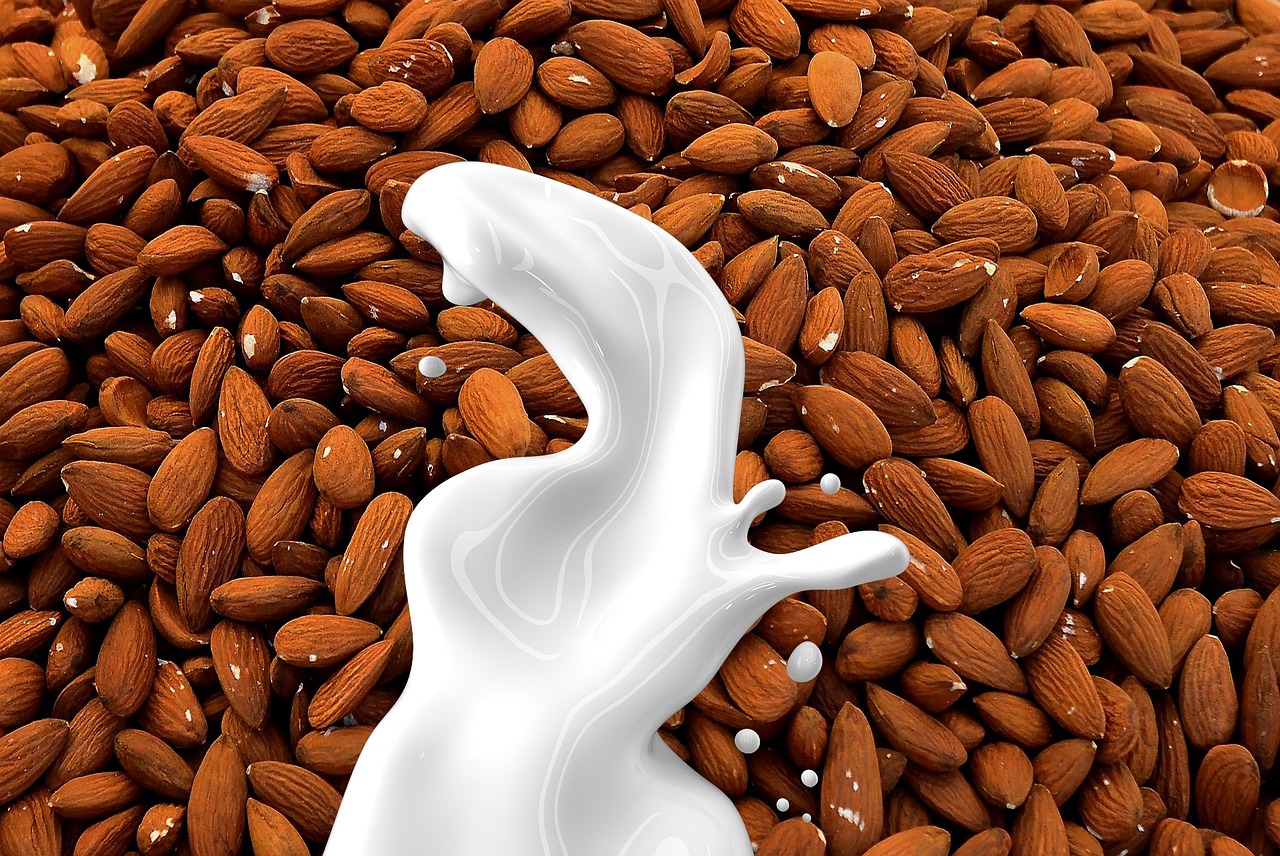
- Ingredients: 1 cup of organic mold-free coffee, 1 scoop of grass-fed collagen (approx. 17g), 1/2 tsp of hyaluronic acid powder (or liquid), 1/2 cup of unsweetened almond or coconut milk, and a dash of Ceylon cinnamon.
- Step 1: Brew your coffee using your preferred method (French press or pour-over is ideal for maintaining natural oils).
- Step 2: In a separate glass, froth your milk with the collagen and hyaluronic acid. Hyaluronic acid is famous for holding 1,000 times its weight in water, making it a perfect partner for skin moisture.
- Step 3: Slow-pour the frothed mixture into your coffee.
- Step 4: Dust with cinnamon to help regulate blood sugar response—a key factor in preventing "glycation," which can damage existing collagen.
Establishing Your Wellness Ritual
As with any intervention in longevity and functional health, consistency is the variable that determines success. You cannot expect a single collagen latte to reverse years of environmental damage or photoaging. Biological turnover of the skin takes time. Most clinical data suggests that the internal scaffolding of the skin begins to show significant change after 8 to 12 weeks of daily adherence.
Viewing your morning cup as a wellness ritual rather than just a caffeine delivery system changes your relationship with the supplement. It becomes a non-negotiable part of your day, ensuring that you are providing a steady stream of hydrolyzed collagen to your system. Over time, this cumulative effect supports not just the aesthetic goals of hair and skin, but the structural health of your joints and connective tissues as well.

FAQ
Does heat destroy the collagen in a hot latte?
No, collagen peptides are remarkably heat-stable. Most high-quality collagen can withstand temperatures up to 302ºF (150ºC) before the proteins begin to denature significantly. Since a standard cup of coffee is typically served between 150ºF and 185ºF, your hot latte will not compromise the efficacy of the peptides.
How do you make a collagen latte from scratch?
To make a collagen latte from scratch, start with high-quality brewed coffee and a scoop of hydrolyzed collagen peptides. Use the priming method to dissolve the powder in a small amount of warm liquid first, then add frothed milk and any synergistic ingredients like hyaluronic acid or cinnamon for added functional benefits.
Does a collagen latte help with skin and hair health?
Yes, a collagen latte helps by providing specific amino acids that signal the body to increase its own collagen production. Clinical research shows that daily consumption of hydrolyzed collagen can improve skin elasticity, increase hydration levels, and support the strength of hair and nails over an 8 to 12-week period.
Is it better to put collagen in hot or cold coffee?
From a nutritional standpoint, there is no significant difference. However, from a practical standpoint, collagen dissolves much more easily in hot coffee. If you prefer cold coffee, you should dissolve the collagen in a small amount of warm water first or use a frother to prevent the powder from clumping in the cold liquid.
Can I drink a collagen latte every day?
Absolutely. In fact, daily consumption is recommended to see measurable results in skin density and hair health. Most practitioners recommend a daily dose of 10g to 20g of grass-fed collagen to maintain the necessary amino acid pool for tissue repair and support the gut-skin axis consistently.